Happy Wednesday FACNM community,
Across the country, gaps and growing challenges in the traditional homeowner’s insurance market are bringing increased attention to wildfire-related insurance losses. Insurers are facing mounting pressures, resulting in rising premiums, policy non-renewals, and reduced coverage options for homeowners in wildfire-prone areas. In response, policymakers and industry experts are exploring innovative approaches to strengthen long-term insurance stability and help communities better navigate risk. This Wildfire Wednesday explores four alternative approaches to traditional market-based insurance that are currently being adopted in other disaster markets, including flood and earthquake, highlighting approaches that may offer new pathways for supporting community wildfire resilience.
This Wildfire Wednesday features:
With much gratitude this holiday season,
Megan
Innovative Insurance Approaches
Parametric Insurance
Parametric insurance is an alternative approach to risk transfer that provides policyholders with an automatic, predetermined payout when an independently observable measure of a hazard reaches a specified threshold. Unlike traditional insurance, which bases compensation on the actual losses a policyholder experiences, parametric insurance pays out when a predefined event or condition (known as a trigger) is met. For wildfire, this might be whenever a specific number of structures within an established region are destroyed, or if smoke particulate levels reach a predetermined level. Once the trigger is met, the policyholder receives the agreed-upon payout.
Parametric payouts are defined by the predetermined trigger and not the actual amount of loss incurred by an individual. Traditional policies generally require policyholders to provide evidence of covered losses, often referred to as proof of loss, before receiving compensation. Because parametric policies rely on independent measurements rather than an assessment of individual damages, payouts can be issued much more quickly. However, the predetermined payout may be greater or less than the policyholder's actual losses, meaning parametric coverage is not necessarily sufficient to fully compensate for property damage.
One emerging application is parametric microinsurance. Parametric microinsurance is a risk transfer approach that could enable US households underserved by the traditional insurance market to receive financial protection that could help them maintain the financial capacity required to manage disaster risk. Smaller-limit parametric policies in the United States could provide rapid cash following a disaster to initiate immediate recovery, as well as serve other needs, such as covering non-property losses or being a better fit for renters.
A current example of a parametric approach is Jumpstart, a $10,000 parametric earthquake insurance product available in several West Coast states, including California, Washington, and Oregon. Jumpstart uses U.S. Geological Survey data to determine whether a policyholder is located within an eligible earthquake shaking zone. Following an earthquake, policyholders verify through a text message whether they experienced economic losses. This simple attestation, combined with the independently measured earthquake data, can trigger a payout without requiring the traditional claims assessment process.
Despite its potential, expanding parametric insurance in the United States presents regulatory challenges. Existing insurance frameworks were largely developed around traditional indemnity products sold through licensed agents and brokers. As a result, some requirements may not easily accommodate low-premium, parametric products designed to serve financially vulnerable households. Realizing the potential of parametric microinsurance will require thoughtful engagement from insurance regulators and the development of regulatory approaches that support innovative products while maintaining appropriate consumer protections.
“ With thoughtful regulatory leadership, parametric microinsurance could become a meaningful part of a more inclusive and resilient US disaster insurance system.”
Learn more: Read Insurance for Good’s report, Guidance for U.S Insurance Regulators: Parametric Microinsurance for Disasters to learn more about a regulatory framework for parametric microinsurance and general considerations for adoption.
Community-based Policies
Community-based insurance is a grassroots approach to risk management in which residents collectively pool resources to secure coverage and share the financial burden of disaster-related losses. These models can operate at the block, neighborhood, or community scale and are often designed to address gaps in conventional insurance markets, particularly for underserved communities or households with limited access to affordable coverage. Rather than relying solely on individual homeowners to navigate the insurance market, community-based policies often operate through an intermediary institution, such as a local government, public agency, or community organization. According to Headwaters Economics in their Wildfire and Insurance: Options for Homeowner Coverage report, “In some cases, the intermediary buys insurance but policies are held by individual community members. In other cases, the intermediary itself serves as the policyholder and takes on responsibility for collecting premium payments and allocating payout funds. The program can be structured in a variety of different ways, depending on local priorities…”
While there currently are few examples of community-based insurance specifically designed for wildfire in the United States, emerging flood insurance initiatives offer useful examples of how this approach could work. One such example is Isleton, California, a small community that has experienced five major floods since 1874. In 2023, Isleton voted to establish a Geological Hazard Abatement District (GHAD) to serve as the intermediary institution for a community-based flood insurance program, with California's Department of Water Resources providing initial capital for the program through a seed grant. Although the program provides relatively small payouts, meaning coverage would need to be supplemented by other insurance or financial resources to fully compensate residents following a major disaster, Isleton demonstrates how locally driven solutions can help communities address insurance gaps and collectively manage disaster risk. Similar approaches could offer an opportunity for wildfire-prone communities to develop coverage strategies that reflect their unique needs and circumstances.
“ Communities already in socially organized collectives to manage wildfire risk – Community Wildfire Protection Plans (CWPPs), fire districts, or Potential Operational Delineations (PODs), for example – might find the creation of a community-based catastrophe insurance more feasible.”
Learn more: Read the Headwaters Economics report, starting on page 12, for a deeper look at the advantages and tradeoffs of community-based insurance policies.
Disaster Savings Account
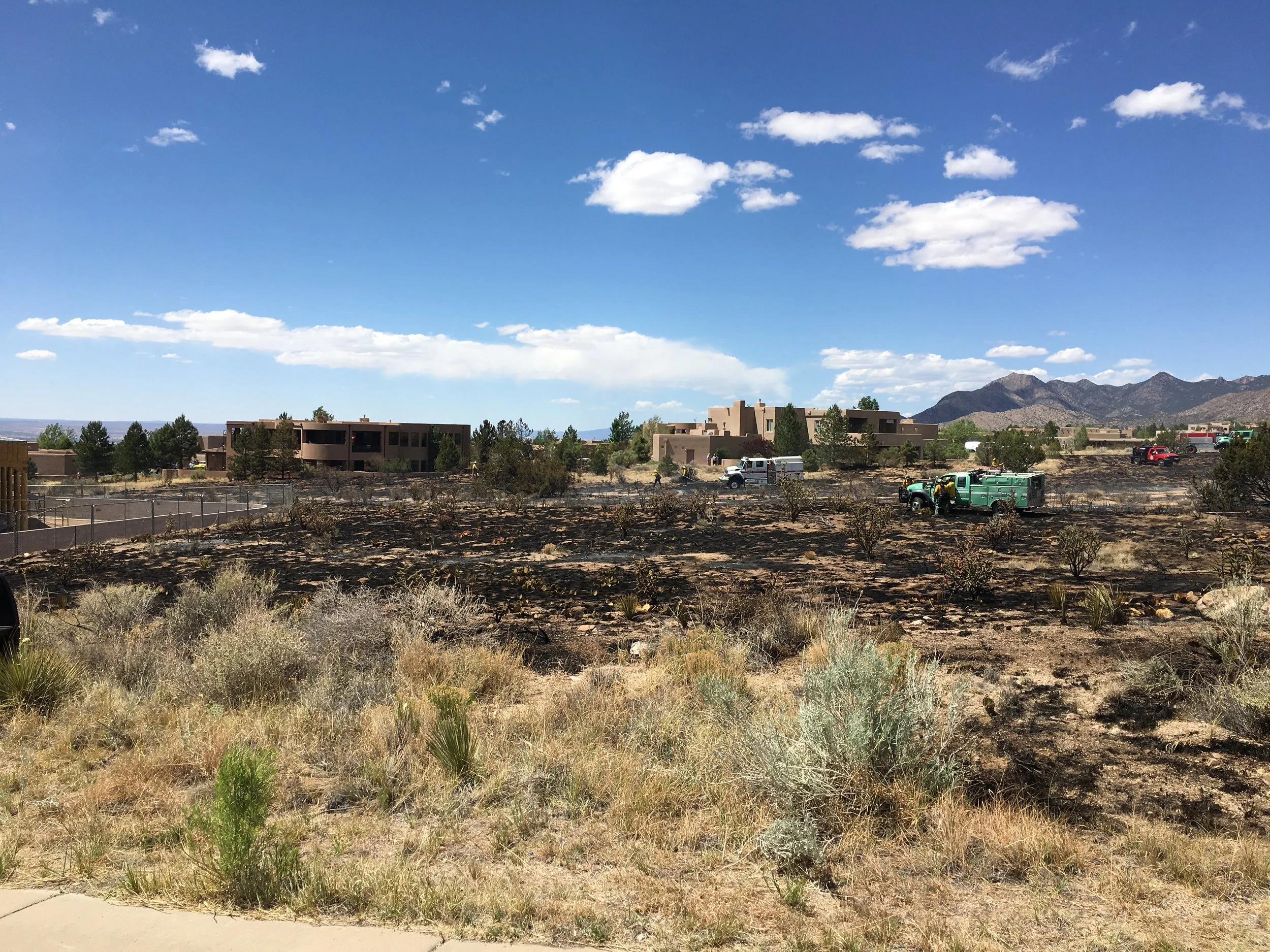
Disaster savings accounts allow individuals and households to set aside money before a disaster occurs to help cover future mitigation, preparedness, and recovery expenses. These accounts are designed to offer tax advantages, similar to Health Savings Accounts (HSAs), by allowing eligible contributions to grow with favorable tax treatment and withdrawals to be made tax-free when used for qualifying disaster-related expenses. Depending on how a program is structured, withdrawals generally have to be tied to qualifying events and put towards eligible expenses to receive the associated tax benefits. Eligible expenses may include home-hardening improvements, disaster-related repairs, and other costs associated with preparing for or recovering from a natural hazard.
These accounts can be established through state legislation or have been proposed as part of broader federal tax policy. As of September 2026, catastrophe savings account programs have been enacted in Alabama, Georgia, Mississippi, and South Carolina. Mississippi was among the early adopters, amending its tax laws in 2015 to allow residents to establish designated "catastrophe savings accounts" to prepare financially for future disasters. In 2025, Senator Rick Scott reintroduced the Residential Emergency Asset Accumulation Deferred Taxation Yield (READY) Accounts Act, which proposes allowing taxpayers to establish tax-advantaged savings accounts specifically for home mitigation and disaster recovery expenses. The legislation aims to encourage households to build financial reserves before disasters occur, rather than relying entirely on insurance payouts, loans, or federal disaster assistance after a loss.
For wildfire-prone communities, disaster savings accounts could provide an additional financial tool to help homeowners invest in preventative measures, while also maintaining funds for unexpected recovery costs. By incentivizing households to plan and save ahead of time, these accounts represent a promising policy approach to strengthening individual financial preparedness and long-term community resilience to natural hazards.
Mortgage Provisions and Resilience Financing
Addressing wildfire risk through mortgage provisions and resilience financing involves making it easier for homeowners to finance preventative improvements before a disaster occurs. Using mortgage provisions to respond to wildfire risk involves expanding home loans to cover anticipated retrofits, allowing homeowners to spread these costs over time rather than paying for upgrades all at once. The substantial upfront costs of wildfire mitigation can discourage homeowners from taking preventative action, even when these improvements could significantly reduce their property's vulnerability to wildfire. Mortgage-linked financing and specialized home-improvement loans offer a potential solution by making these investments more financially accessible.
To keep insurance available and affordable, reducing the risk to homes and property before a wildfire disaster occurs is critical. Piecemeal requirements by insurance providers and voluntary measures to individual parcels will likely fall short of reducing overall community wildfire risk. Mortgage-linked financing can help homeowners fund wildfire hardening and defensible space upgrades, often with low-interest terms and insurance incentives. By proactively investing in risk reduction for homes and communities, the built environment will be better prepared before a wildfire disaster, and therefore easier to insure.
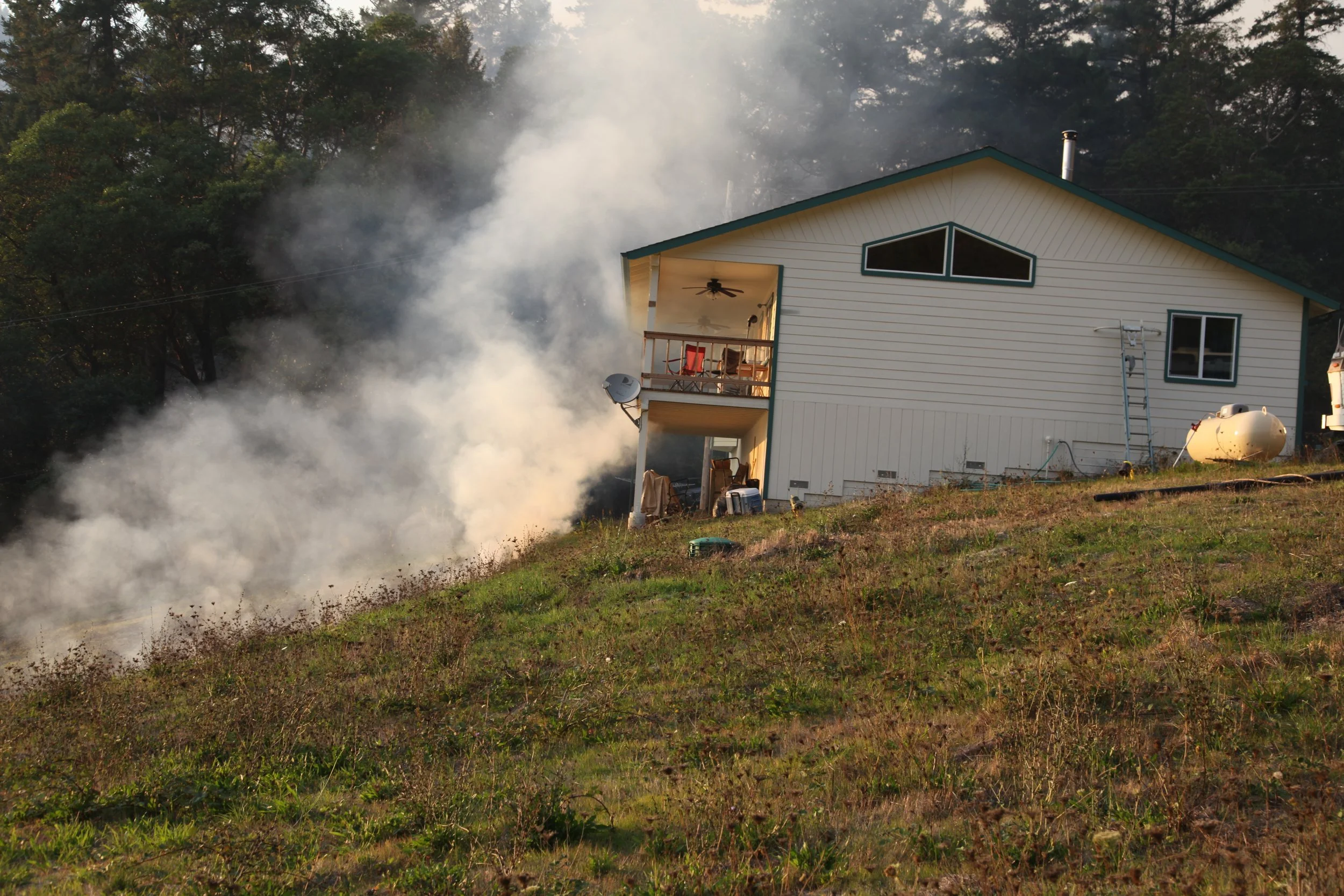
One example of this in play is the Northern Pacific Housing Services (NPHS) Resilience Loan Program, which offers eligible homeowners in the Inland Valley of California loans of up to $50,000, with repayment terms of up to 20 years, to fund home improvements, including wildfire preparedness retrofits. Homeowners who use the funds to obtain the Wildfire Prepared Home® designation from the Insurance Institute for Business and Home Safety (IBHS) can qualify for an interest rate reduction of 0.5 percentage points, provided they maintain the designation throughout the loan term. Additionally, homeowners who obtain the designation become eligible to apply for up to $50,000 in financing, compared to the program's standard maximum loan amount of $25,000.
Programs like NPHS demonstrate how housing finance can become another tool for addressing wildfire risk by reducing financial barriers to preventative improvements. Over time, expanding access to these financing options could help strengthen the resilience of individual homes, reduce community-wide wildfire vulnerability, and support a more sustainable insurance market.
Additional Resources and Upcoming Opportunities
ARTICLE: Are Multibillion-Dollar Wildfire Payouts Undermining Efforts to Make Forests Less Flammable? - Inside Climate News
Prescribed burners say the prospect of costly litigation and rising insurance rates are complicating efforts to fight fire with fire. Read more about the effects of Hermit’s Peak-Calf Canyon on policy and procedure, as well as how New Mexico’s trajectory with prescribed fire is currently in stark contrast to the recent success in other Western states.
WEBINAR: Lessons learned through convergence research applied to wildfire risk mitigation
Thursday, December 10 | 12PM MST
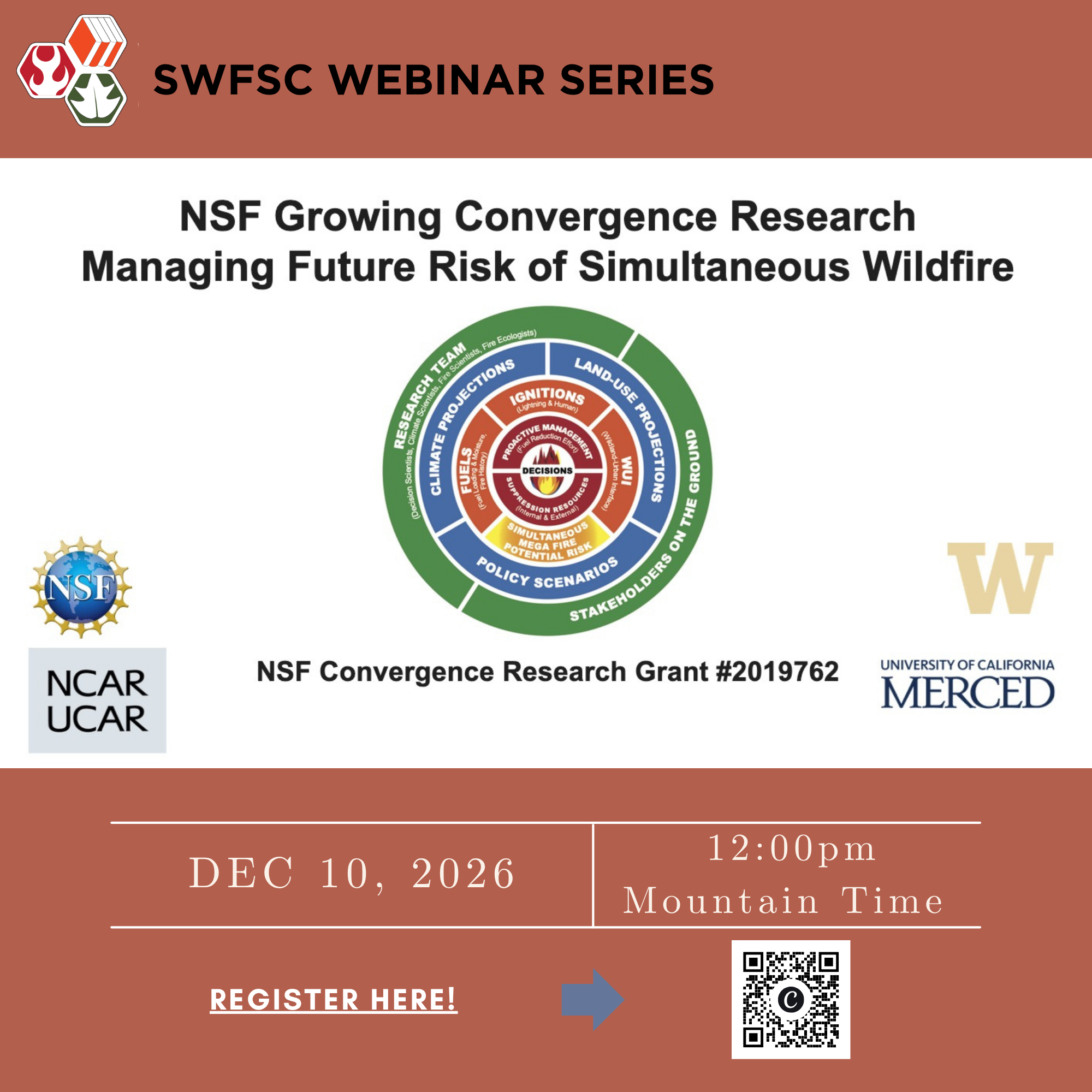
This webinar hosted by the Southwest Fire Science Consortium and National Science Foundation, will review lessons learned about addressing, mitigating, and managing risk associated with high-impact, simultaneous wildfires in the current biophysical, social, and political landscape. This presentation will explore the findings of the presenters’ Growing Convergence Research project, including what their approach to wildfire risk mitigation achieved and what lessons may be generalized. This presentation is based on the publication: https://doi.org/10.1016/j.envsci.2026.104423
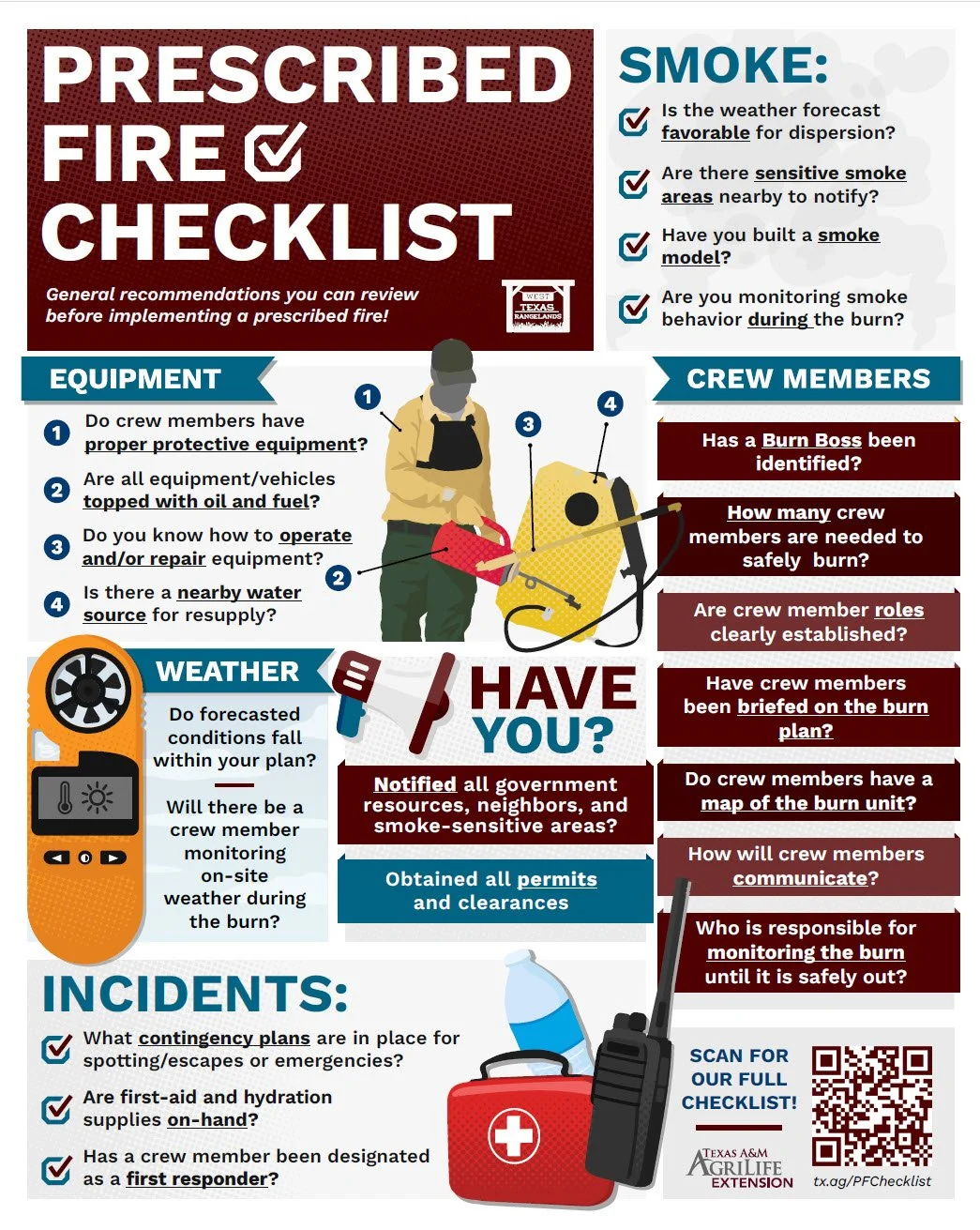
RESOURCE: A Prescribed Fire Checklist Producers Can Use to Reduce Risk and Improve Outcomes
The Prescribed Fire Checklist developed for West Texas Rangelands is designed to help producers think through key considerations before lighting a match. It is not a substitute for training or professional guidance, but it can serve as a quick planning reminder that supports safer and more deliberate decision-making when considering prescribed fire.
The Prescribed Fire Checklist is most effective when used alongside formal training, burn plans, and professional guidance. It works well as a final review tool before a burn or as a discussion guide when coordinating with a prescribed burn association or trained professionals. For producers interested in using fire more intentionally on their operations, tools like this checklist support thoughtful preparation and safer outcomes.