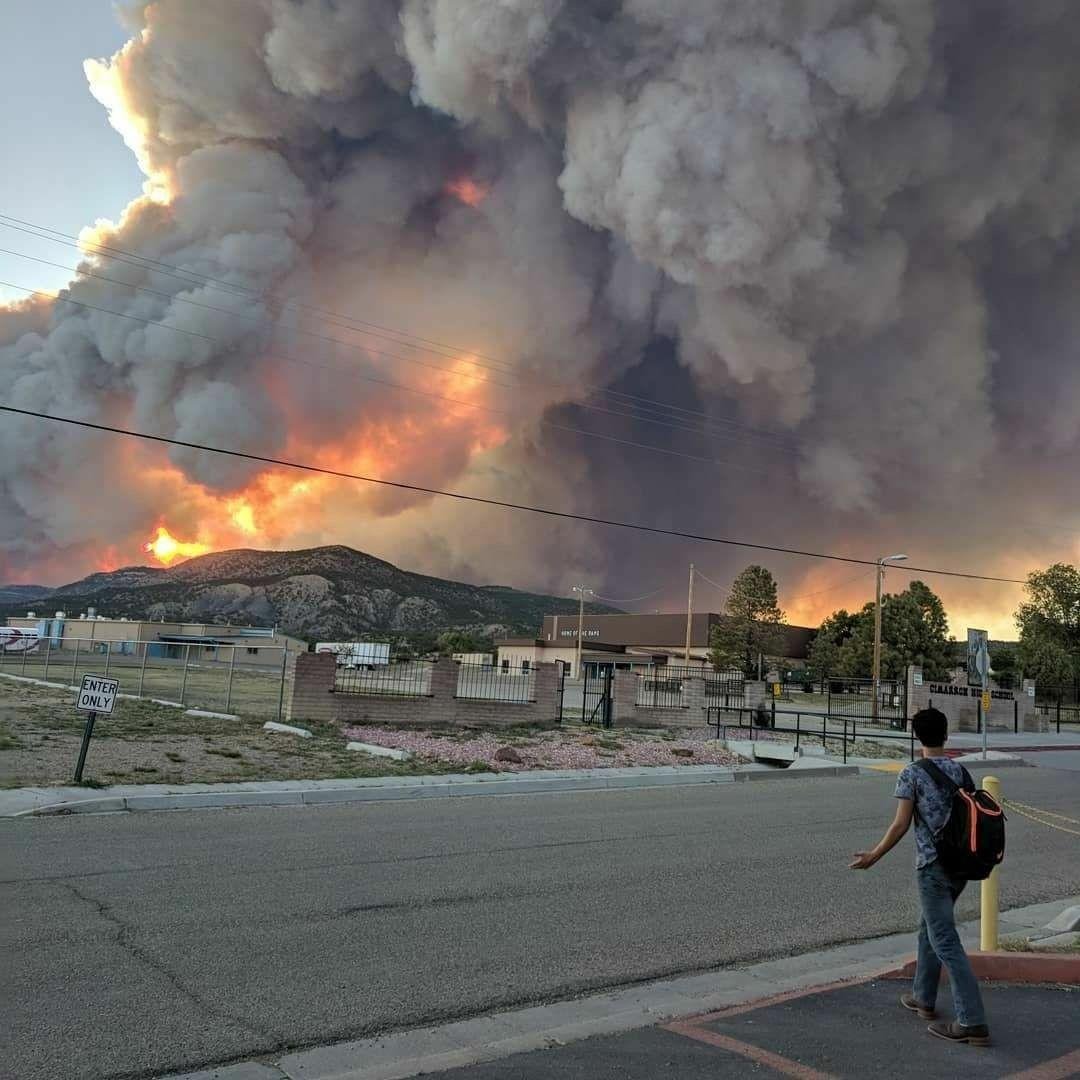
Learning to live with fire also means learning to live with smoke. Communities are often evacuated when flames directly threaten homes and personal safety. However, communities that are not evacuated but remain near active fires can experience significant smoke impacts and poor air quality.
Wildfire smoke is not good for anyone to breathe, but it poses especially serious health risks for vulnerable residents, including infants, older adults, and those with pre-existing conditions such as asthma or heart disease. In some cases, these individuals may need to temporarily leave the area until conditions improve. At the same time, there are important steps communities can take to become more “smoke-ready.” Being smoke-ready includes preparing to create clean indoor air at home or work, and ensuring access to community clean air spaces where people can find relief during heavy smoke events.
Below, you can learn more about home air filtration options, community clean air centers (including those currently available in New Mexico), and how smoke-ready community efforts have been expanded in other states.
This Wildfire Wednesday features:
Stay safe FACNM community,
Megan
Wildfire Smoke and Health
Wildfire smoke contains a mixture of harmful pollutants, including gases and particles released as materials burn. The smallest particles—known as PM2.5 (particulate matter less than 2.5 microns in diameter)—are the most concerning for human health. Because of their tiny size, they can be inhaled deep into the lungs, affect respiratory and cardiovascular function, and even enter the bloodstream, triggering inflammation throughout the body.
Certain groups are especially vulnerable to the effects of smoke, including children, pregnant individuals, older adults, people with heart or lung conditions, and those with higher exposure levels, such as outdoor workers. Even for otherwise healthy individuals, wildfire smoke is unsafe to breathe, and the longer the exposure, the greater the risk.
Common symptoms of smoke exposure include coughing, shortness of breath, irritated eyes, runny nose, sore throat, headaches, fatigue, and in some cases, irregular heartbeat.

While we can’t control when smoke arrives or how long it lingers, there are steps you can take to reduce exposure and protect your health:
Limit the intensity and duration of outdoor activities
Stay indoors with windows and doors closed, and create clean indoor air
Avoid adding pollution indoors. Do not burn candles or incense, avoid smoking, and limit activities like stove-top cooking and vacuuming during smoky conditions
Create Clean Indoor Air
One of the best ways to reduce the impact of smoke is by reducing the amount of smoke that enters your home or workplace and filtering harmful particles from the air.
Indoor forced air systems
If you have a central air conditioning system in your building, set it to re-circulate or close outdoor air intakes to avoid drawing in smoky outdoor air. Also, keep the furnace fan on by uncoupling it from the thermostat for continuous cleaning
Additionally, upgrade the filter efficiency of the heating, ventilating, and air-conditioning (HVAC) system. Use the highest filter your system can handle. A MERV 13 or higher filter is best, but MERV 11 and 12 will still help clean indoor air. Also, keep extra filters on hand and changing filters frequently as they get dirty during smoke events greatly improves indoor air quality. If your air systems cannot use a better filter, use portable air cleaners or DIY filter to clean individual rooms.
Filter your air
Smaller portable air cleaners are a great way to provide clean air in the areas where you spend most of your time. Essentially these are filters with an attached fan that draws air through the filter and cleans it. These cleaners can help reduce indoor particle levels, provided the specific air cleaner is properly matched to the size of the indoor environment in which it is placed.
Purchasing a HEPA portable air cleaner or a filter with a MERV rating of 13 or higher will help remove PM 2.5 from indoor air. When selecting a portable filter, the other rating to pay attention to is CADR or Clean Air Delivery Rate. This refers to the volume of air that passes through the unit. A CADR of 200 means the unit provides 200 cubic feet of clean air per minute, and often this number is equated to the room size that it will effectively purify the air in. In a 300 sq foot room a filter with a rating of 200 CADR will cycle the air through the filter 4-5 times per hour. While any filter will provide clean air, those with lower CADRs will simply work more slowly.
While purchasing a portable air cleaner may cost around $100-$200, making your own box fan filter can be a less costly option to filter air and improve indoor air quality in a single room or designated space.
DIY BOX FAN FILTER MATERIALS:
1 – 20” Box Fan
1 - 20” x 20” x 1" MERV 13 electrostatic air filter. Note: MERV 11 or 12 will work, just not as well.
Tape or bungee cord to hold the filter in place
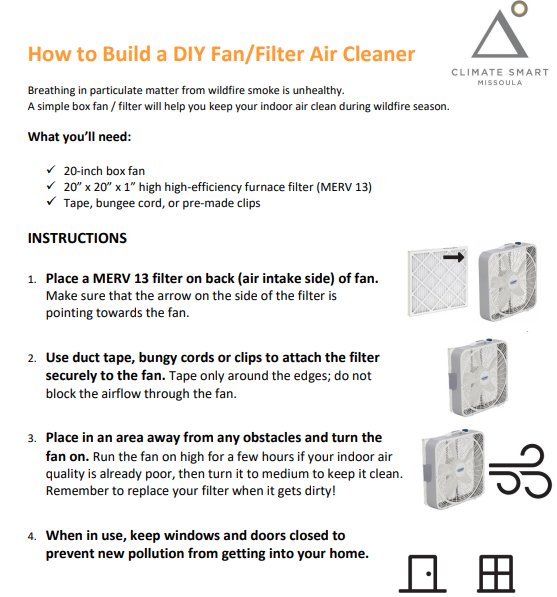
ASSEMBLY:
Follow the manufacturer’s instructions to assemble the Box Fan.
Place the filter on the back of the fan with the airflow arrow pointing towards the fan. When the fan is turned on it should pull air through the filter.
Secure the filter with tape or a bungee. Use masking or duct tape. Write the date when the filter is first used on the filter or tape.
*To improve the safety of a DIY filter, use a newer fan (2012 or newer) to minimize risk of burns and fire.
Face Masks
Only respirators such as N95s can filter out the fine particles in smoke. One-strap masks, paper surgical masks, or cloth masks and bandanas only filter out large particles and will not provide the filtration needed to protect you from smoke. If you must be outside, consider using an N95 or KN95 and make sure it seals close to your face. Masks should have two straps (one above the ear and one below) and should collapse as you breathe in, not letting air in on the sides to ensure they fit correctly.
Comunnity Clean Air Centers
One great step to take to becoming a more smoke ready community is identifying and setting up locations in your community that have cleaner, filtered air where residents can go for respite from smoky conditions. This is particularly important for people without air conditioning on hot smoky days, when staying indoors with windows closed can be hazardous.
A community clean air center is a designated public space, such as a community center, library, or other gathering place, equipped with HEPA filtration systems to provide a safe indoor refuge during wildfire smoke events or prolonged periods of poor air quality. Establishing one involves:
Selecting a central, accessible location that community members already use and trust.
Equipping the space with portable HEPA air cleaners sized appropriately for the building’s dimensions.
Maintaining the center by replacing filters and ensuring equipment is functional and in operation during times of poor air quality.
Outreach and education so residents know when the center is open and how it supports their health.
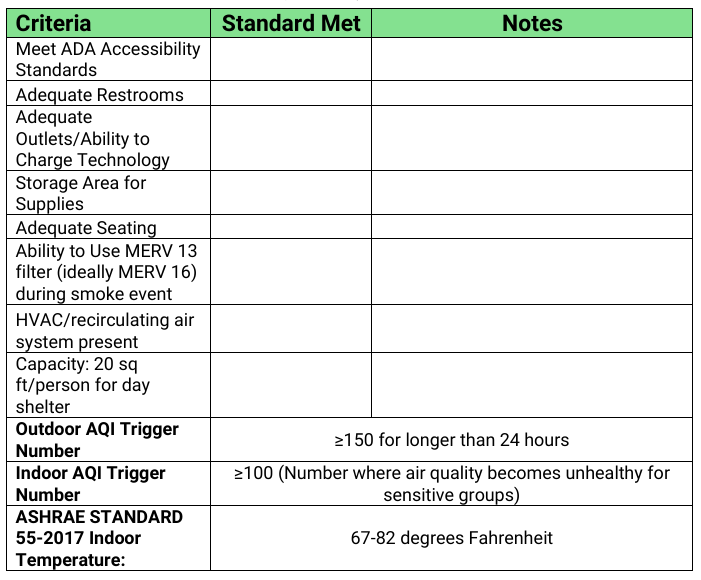
The following image includes criteria that the Montana Department of Public Health and Human Services (DPHHS) has in their Clean Air Center Resource Guide to consider when selecting a site to set up a clean air center:
Clean air shelters are different from the above mentioned clean air centers. Shelters are typically set up in response to emergencies and are often staffed by volunteers or emergency personnel. These shelters may operate 24/7 and are designed to provide immediate, short-term relief for large numbers of people during critical events. Clean air centers, on the other hand, rely on existing community facilities—such as community centers, libraries, or senior centers—that are equipped in advance with air filtration systems. Rather than being activated as emergency shelters, they operate within the facility’s normal hours and serve as accessible, day-use spaces where residents can go to reduce smoke exposure. These centers can also be valuable hubs for information, where residents can learn about current air quality conditions, health impacts of smoke, and steps they can take to protect themselves and their families.
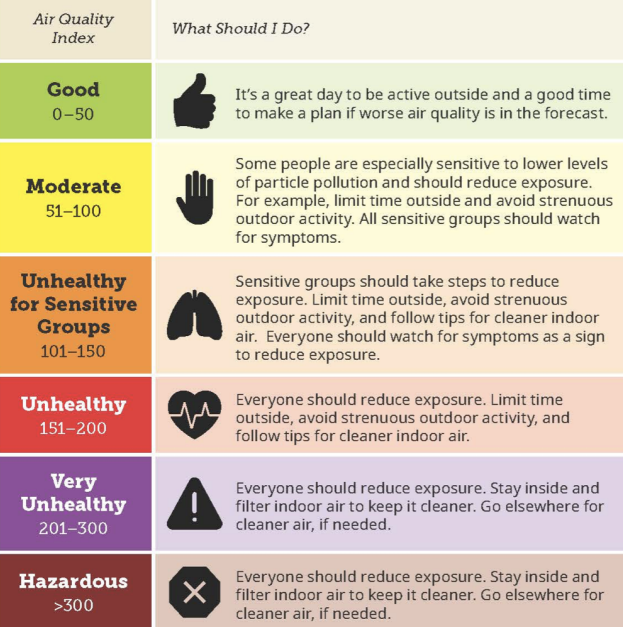
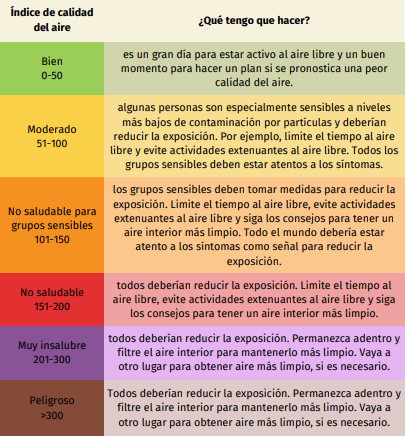
Operational practices for clean air centers can vary by program. For example, under guidance used in Montana, filtration systems in clean air centers are typically activated when outdoor air quality reaches an Air Quality Index (AQI) of 150 (“Unhealthy”) and remains at that level for more than 24 hours. Filtration continues until indoor air quality improves and consistently falls below an AQI of 100 (“Moderate”).
Clean Air Centers in NM
FACNM, with support from the Fire Adapted Communities Learning Network via a grant from an anonymous donor, has partnered with local communities in northern New Mexico to establish clean air centers. Working with the Angel Fire Fire Department and the Village of Angel Fire, as well as Santa Clara Pueblo Forestry and the Santa Clara Pueblo Senior Center, FACNM has helped equip two facilities with high-capacity HEPA air filtration systems. These centers will serve as community resources during smoke events beginning spring 2026.
Angel Fire Community Center
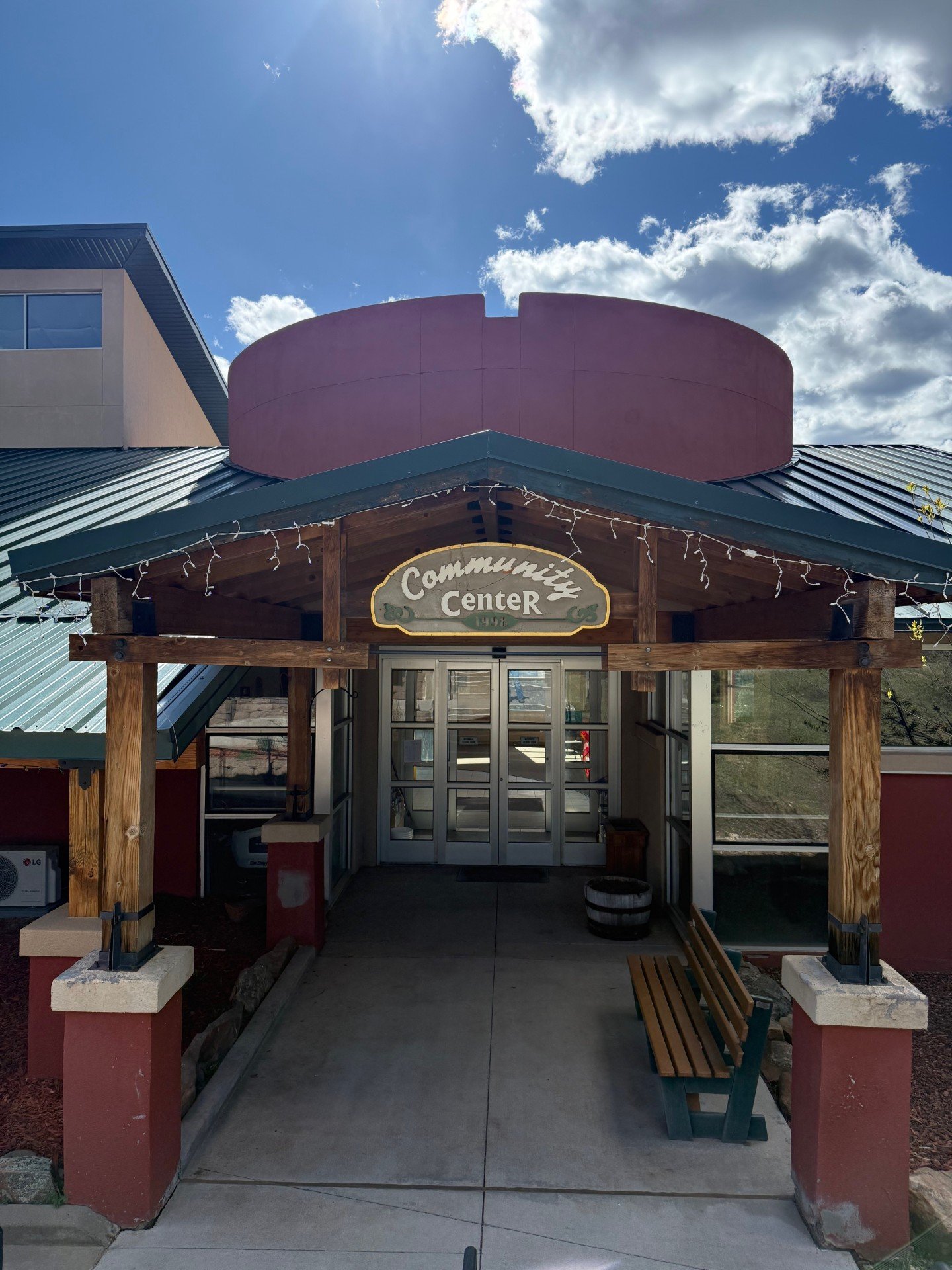
The Angel Fire Community Center is now equipped with two high-capacity HEPA air filtration units and a PurpleAir monitor, which provides real-time air quality data. These upgrades are part of FACNM’s broader effort to support smoke-ready communities and provide safe indoor spaces during periods of poor air quality.
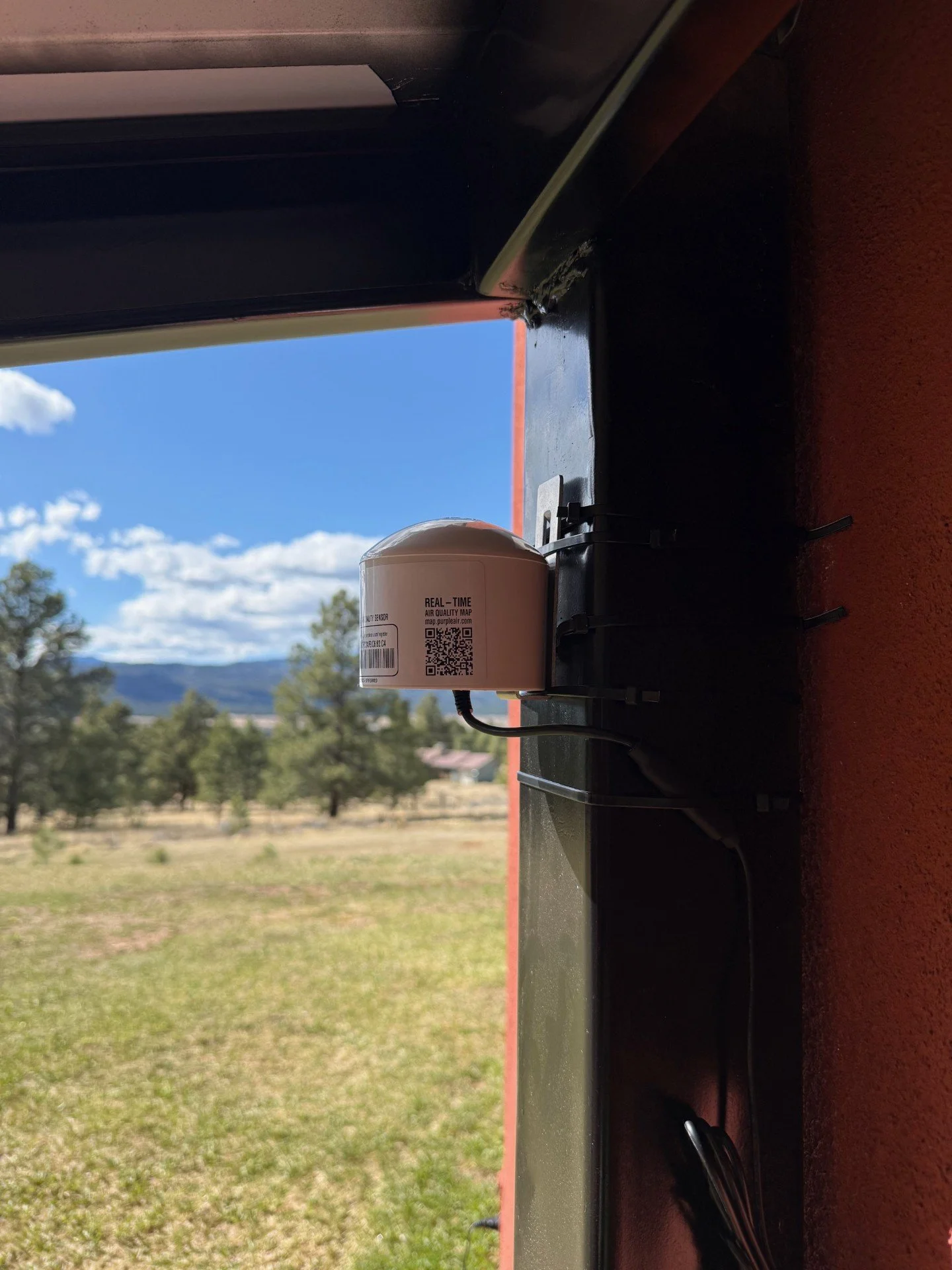
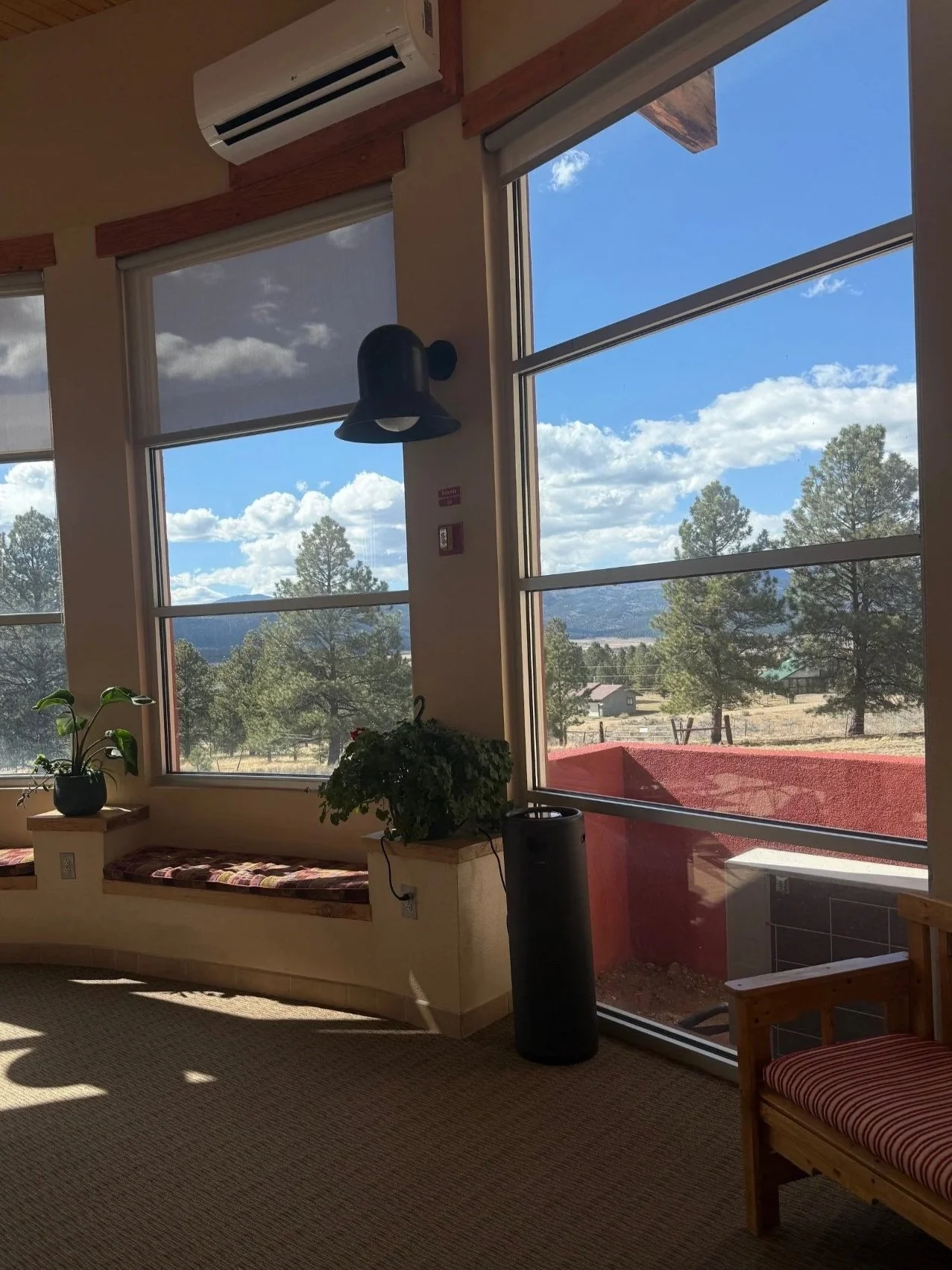
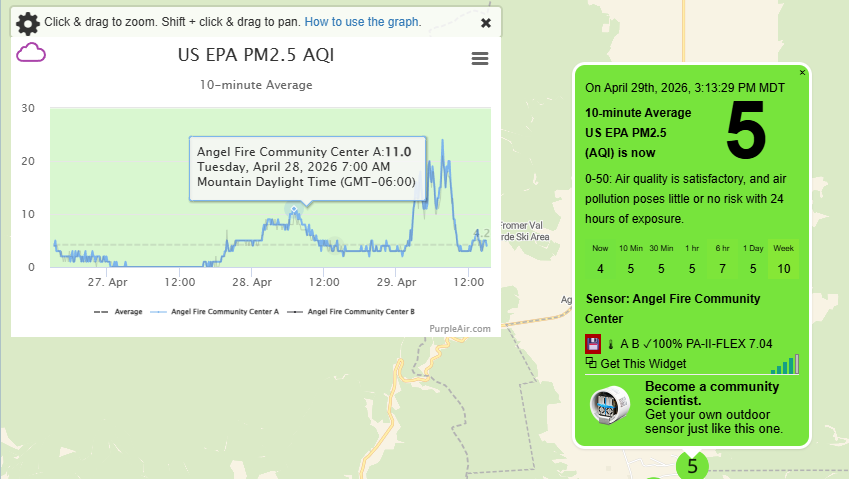
View live AQI from the PurpleAir monitor attached to the Angel Fire Community Center: US EPA PM2.5 by PurpleAir
Santa Clara Pueblo Senior Center
The Santa Clara Pueblo Senior Center has also been outfitted with two high-capacity HEPA air filtration units. Installation of a PurpleAir monitor is planned and will further enhance the center’s ability to track and respond to changing air quality conditions.
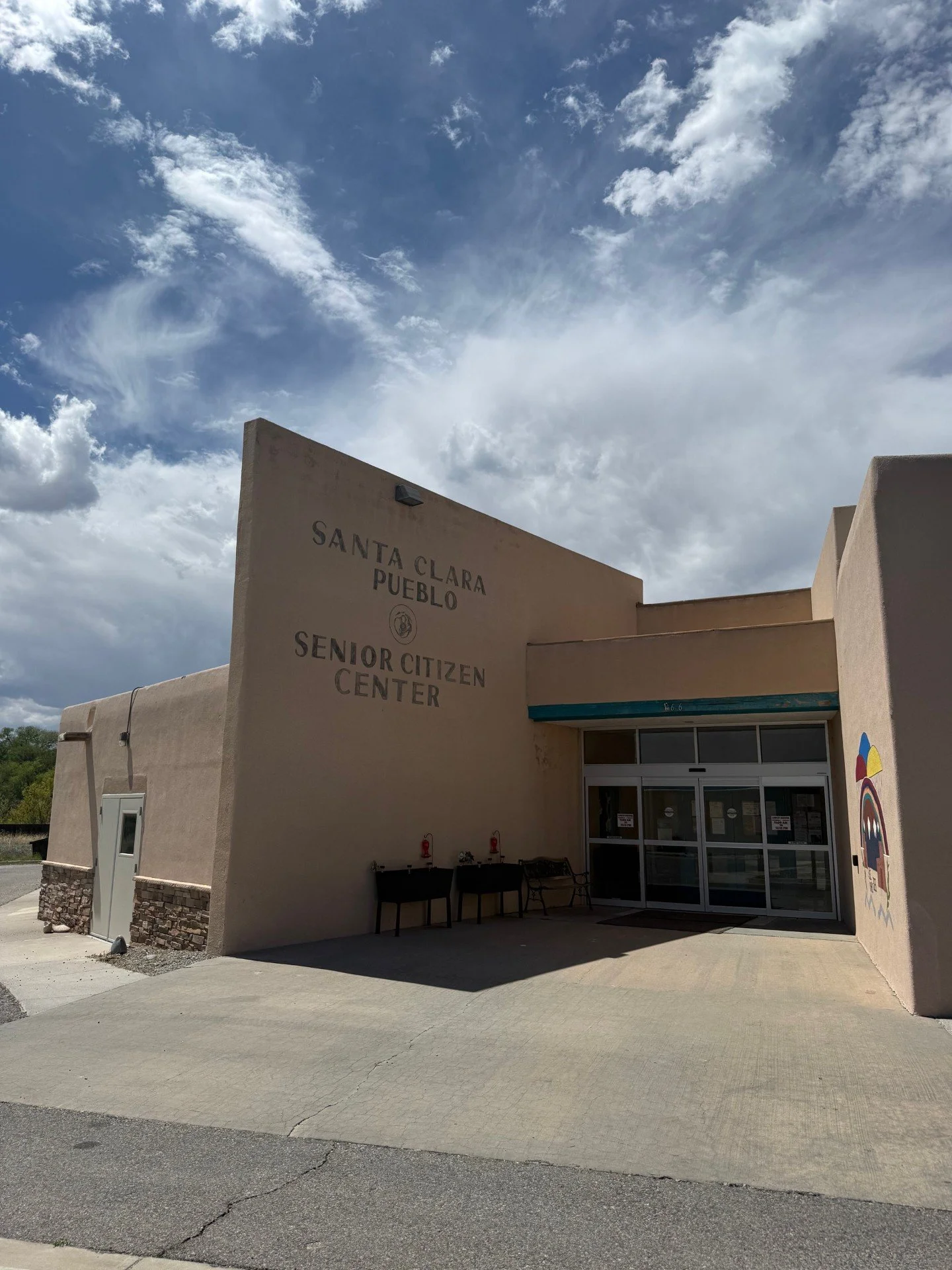
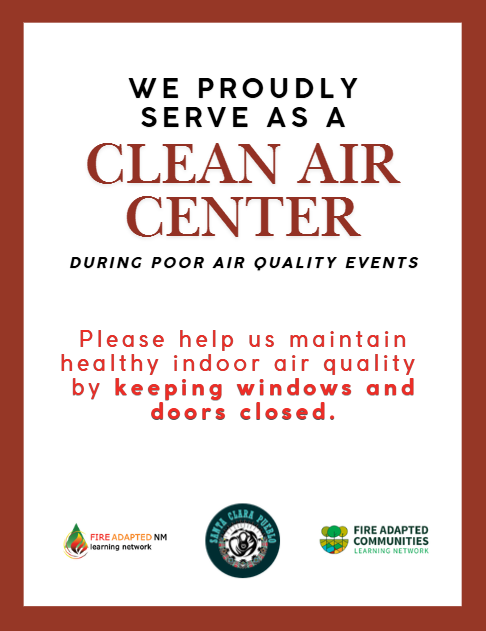
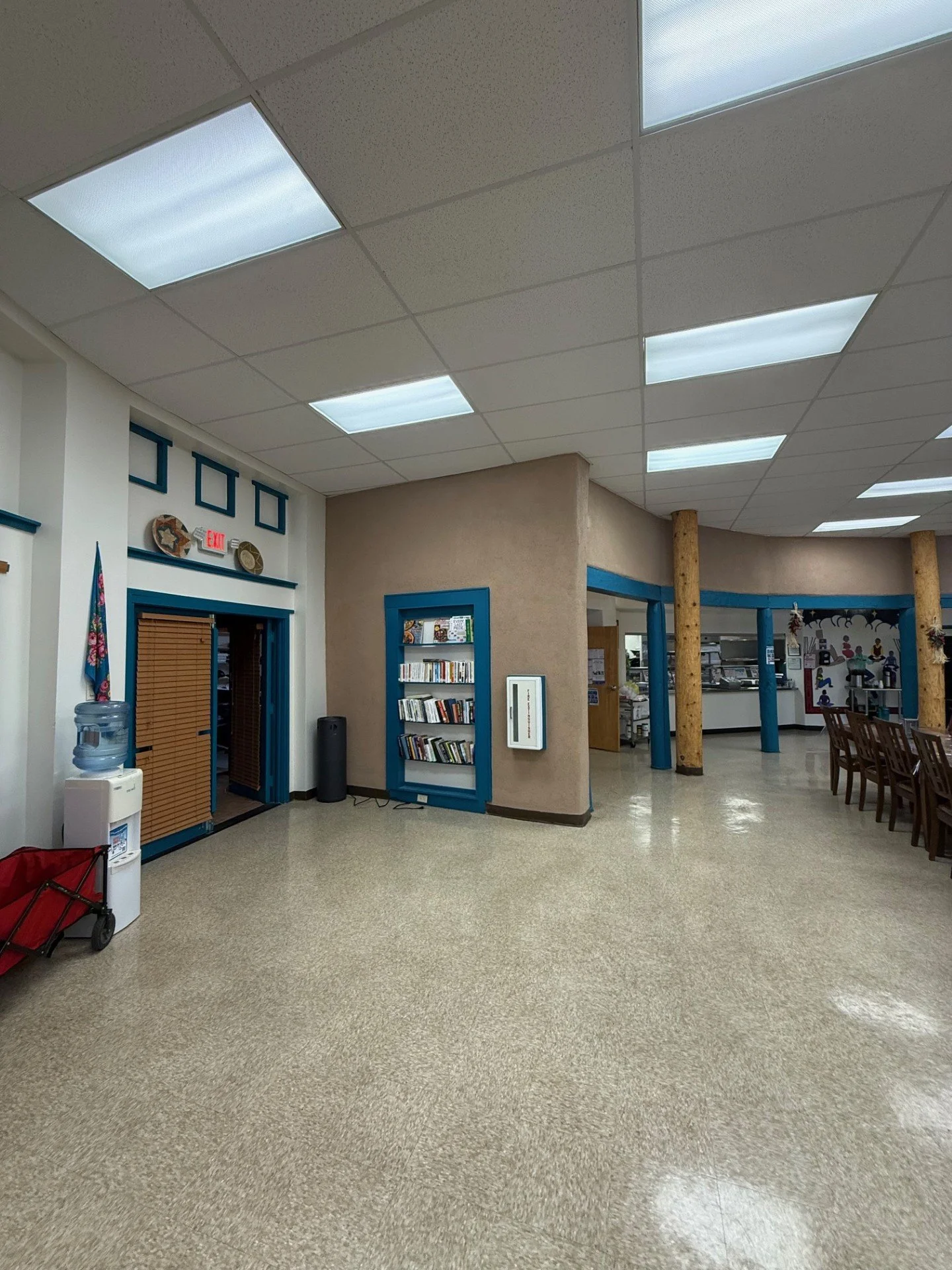
These clean air centers offer residents a safer place to go during heavy smoke events, particularly for those who may not have access to effective air filtration at home.
For communities without a designated clean air center, residents can seek out public spaces with good ventilation and filtration systems, such as libraries, community centers, senior centers, and movie theaters. It’s a good idea to identify these locations in advance so you know where to go when air quality worsens.
Community clean air center success’s in other states
California
California created a map in collaboration with local air quality districts, to provide information about the location and services offered at Clean Air Centers in local communities statewide.
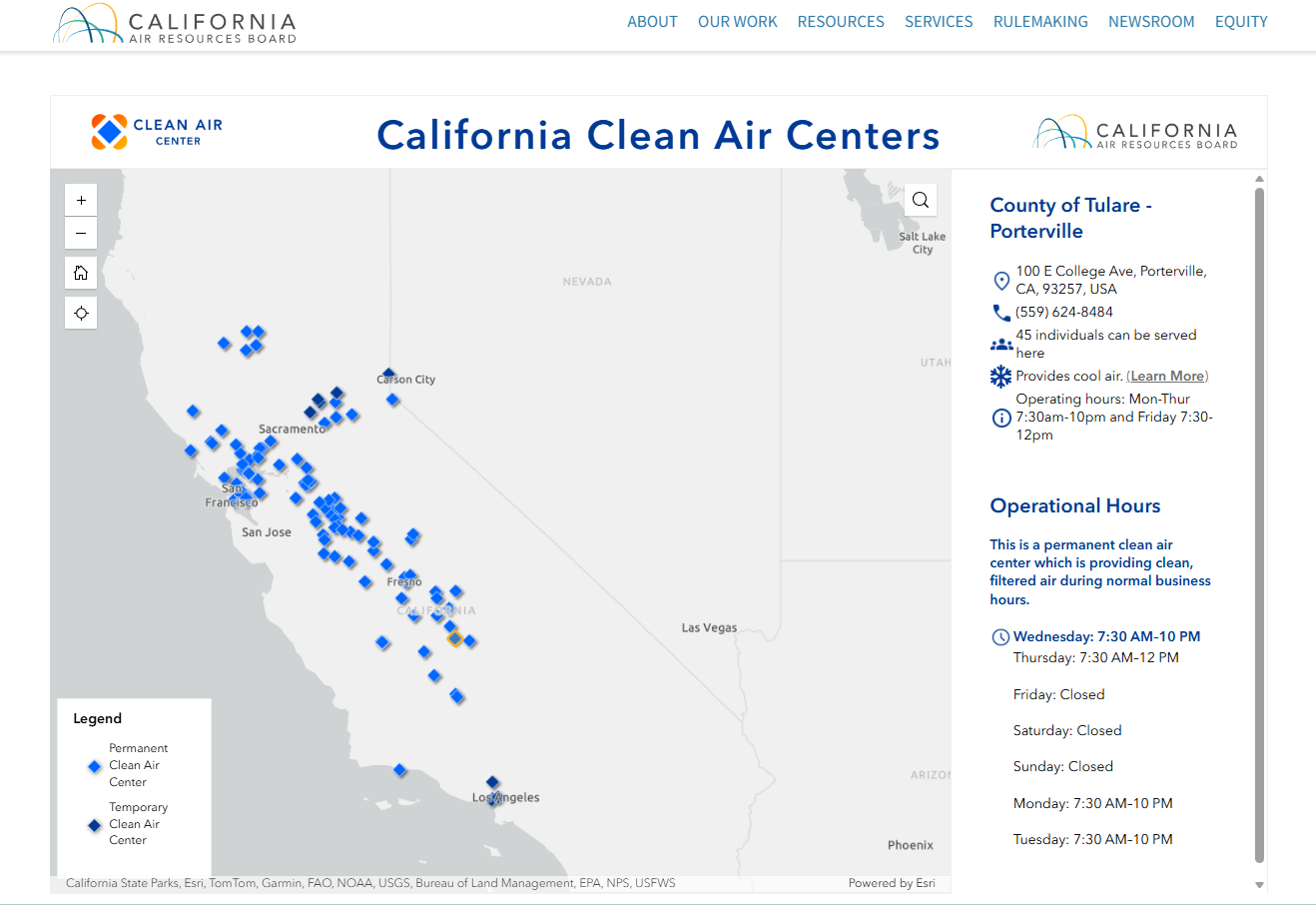
This map provides key details for each clean air center, including hours of operation, capacity, and contact information. A website and/or phone number is provided for each Clean Air Center so users can check with local facilities to see if they are activated and open to the public. This map serves as a strong example of a coordinated, statewide effort to both establish clean air spaces and ensure California residents know how to access them during smoke events.
Montana
In 2025, Clean Air Resource Centers were established in Missoula and Ravalli Counties with support from the Montana Department of Public Health and Human Services (DPHHS) and the EPA. Four centers were created in Missoula County and three in Ravalli County. Each location is equipped with a PurpleAir sensor to monitor real-time indoor air quality, helping ensure these spaces provide effective protection during smoke events.
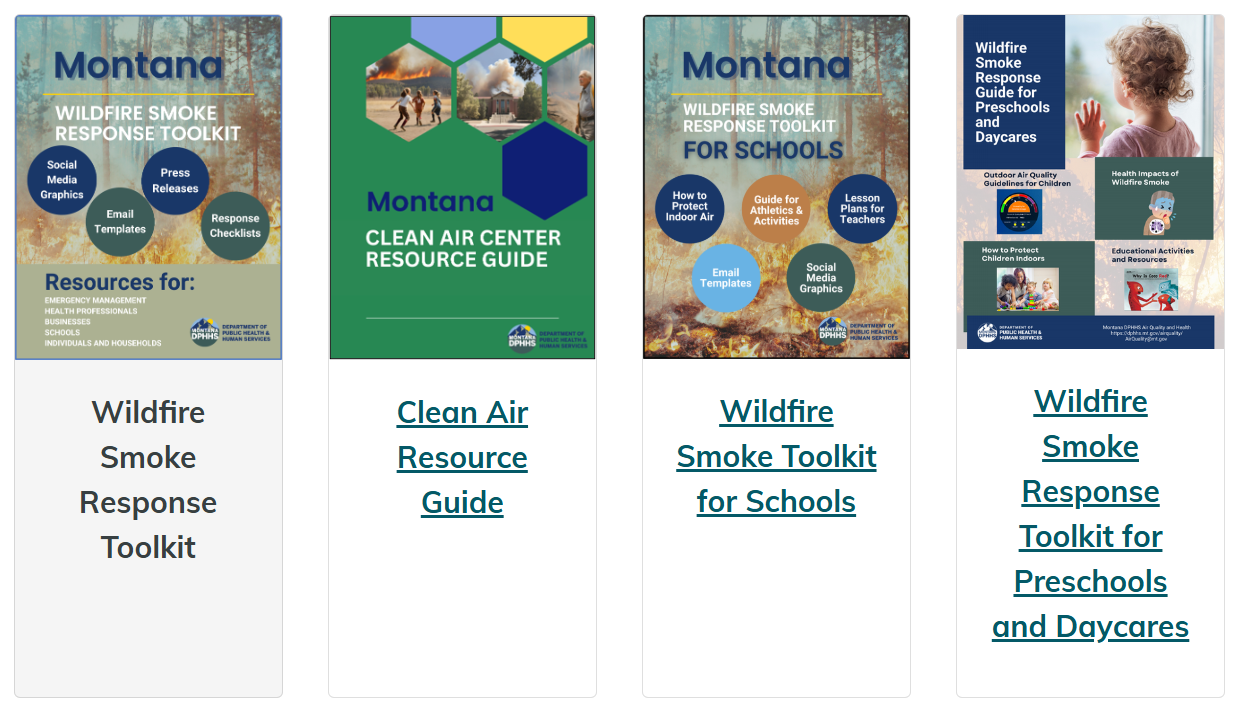
Montana DPHHS also designed toolkits to provide resources to emergency responders, health officials, school personnel and daycare providers to ensure community safety during a wildfire smoke event. All materials can be shared and rebranded with your organization.
Upcoming Opportunities
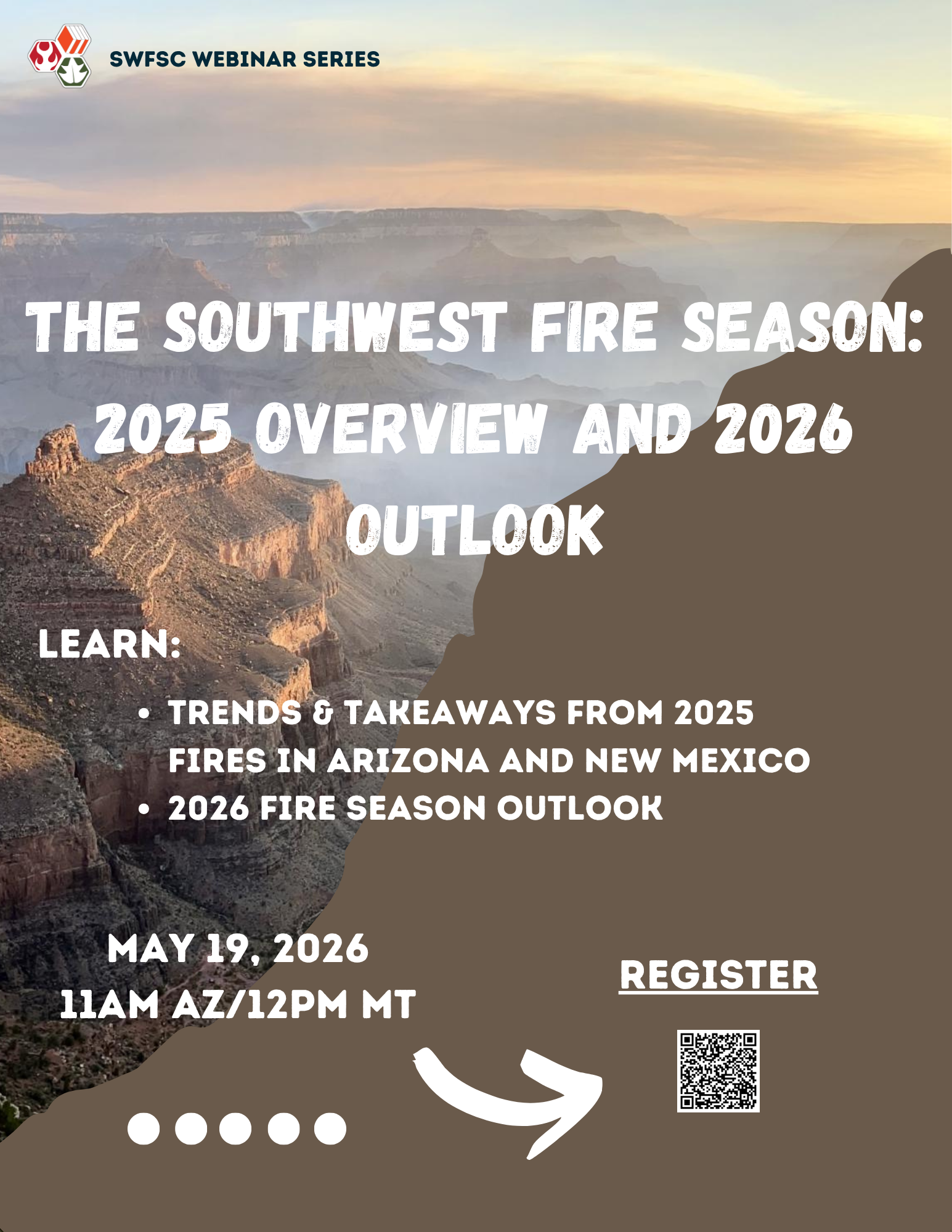
This webinar from the Southwest Fire Science Consortium will provide a review of the 2025 Southwest fire season, including trends, especially impactful individual incidents, and takeaways from the fires–and from our tactics and response. The presenters will also offer a 2026 fire season outlook based on the most up-to-date forecast from the NOAA predictive services.
Date and Time: Tuesday, May 19, 2026 at 11am AZ/12pm MT
National Community Wildfire Preparedness Day - May 2
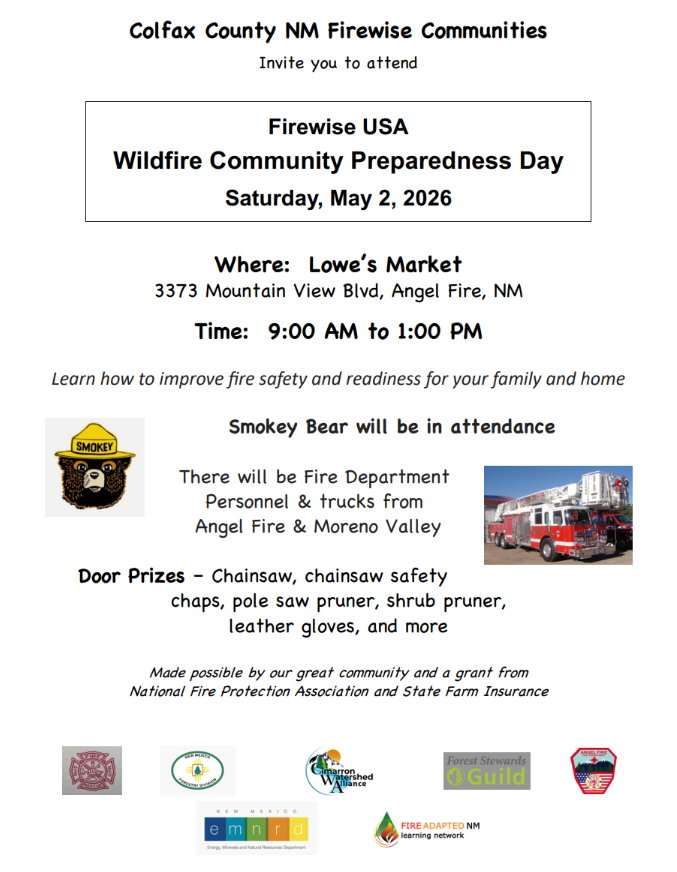
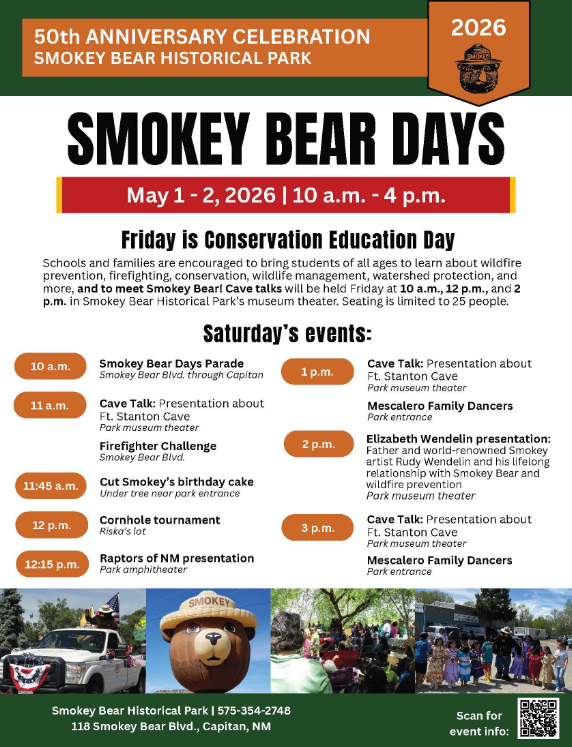
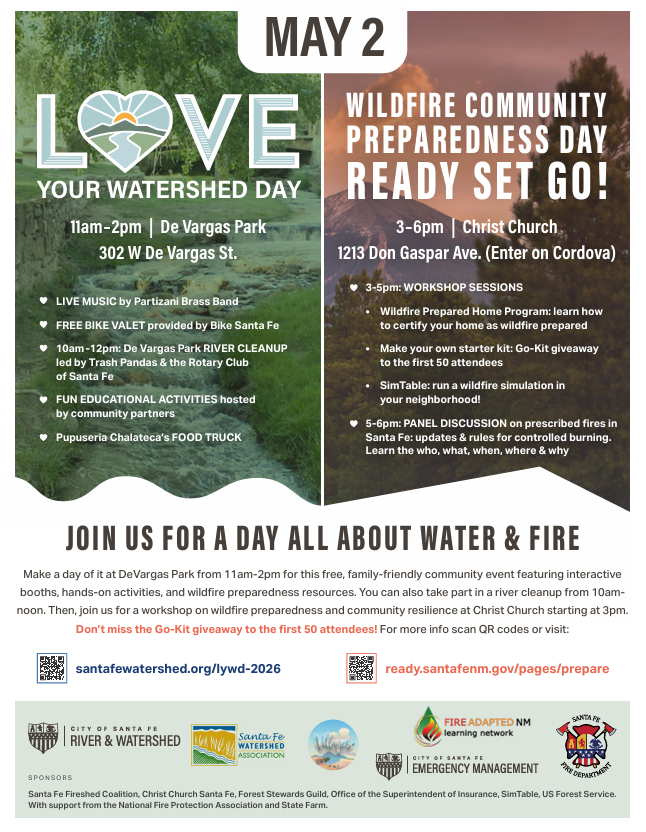
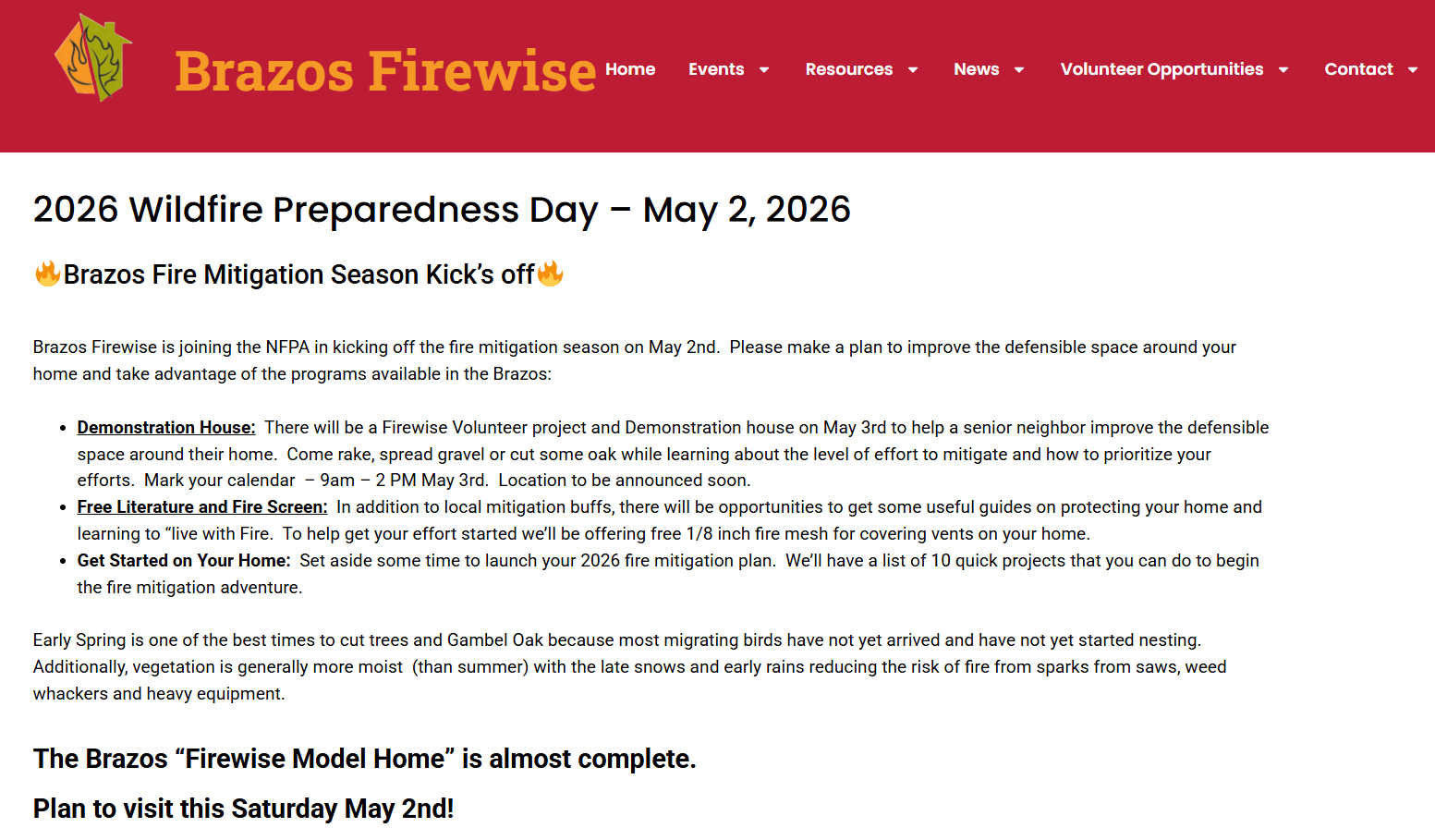
Every year on the first Saturday in May, people and organizations across the U.S. and Canada come together for a day of action to raise awareness and reduce wildfire risk in their communities. This Saturday, several communities across New Mexico are hosting Wildfire Prep Day events.
Check this map to find a registered event closest to you, or browse the flyers below for more details. Attend your local Prep Day to learn about effective wildfire mitigation practices, participate in fuels reduction activities, and connect with other engaged community members working to make a difference.
NM Wildland Urban Fire Summit (WUFS) 2026
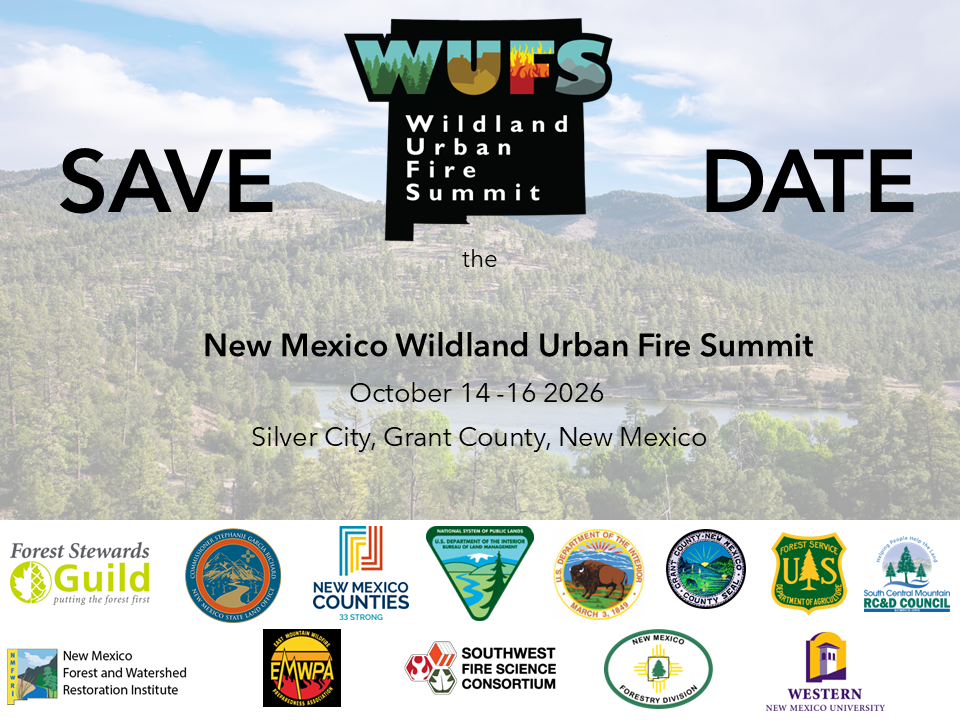
Save the date for the New Mexico 2026 Wildland Urban Fire Summit on October 14-16 in Silver City, NM! Join fire professionals, land managers, community leaders, and community resilience specialists for three days of presentations, panels, and a field tour. A more detailed agenda will be released in the coming months. FACNM hopes to see you there!
Western State Fire Managers Health and Wellness Subcommittee Training
The Western States Fire Managers (WSFM) Health and Wellness Subcommittee is seeking health and wellness trainings to feature on its online training calendar. Priority areas include educational content on peer-to-peer support, Critical Incident Stress Management, and resources for first responders.
Organizations and agencies offering training that benefits wildland firefighters and their families are encouraged to submit opportunities via email.