
Happy Wednesday FACNM community,
This summer, lightning-caused wildfires have already burned more than 23,000 acres across New Mexico. As the early monsoon season arrives, increased lightning activity, combined with dry fuels and erratic, gusty winds, creates ideal conditions for wildfire ignitions and rapid fire growth. Although monsoon rains can eventually help reduce fire danger, the first storms of the season often produce abundant lightning with little rainfall reaching the ground. These "dry thunderstorms" can ignite forest fuels, while strong, shifting winds make fires more difficult for firefighters to contain. While these naturally occurring ignitions are an expected part of New Mexico's fire-adapted landscapes and cannot be prevented, many wildfire ignitions are caused by human activities and unlike lightning, these fires are largely avoidable.
Since 2020, human-caused wildfires have burned more than 2 million acres across Arizona and New Mexico. Every year, preventable ignitions, from equipment use to unattended campfires, power lines, and target shooting spark fires that threaten communities and landscapes. Because these ignitions are avoidable, education and awareness are some of the most effective tools for reducing the number and size of destructive wildfires.
In this week's Wildfire Wednesday, we highlight research conducted here in New Mexico on human-caused wildfire ignitions and take a closer look at one preventable source in particular: target shooting.
This Wildfire Wednesday features:
Wishing you all the best,
Megan
Human-Caused Ignitions in the Southwest
Statistics
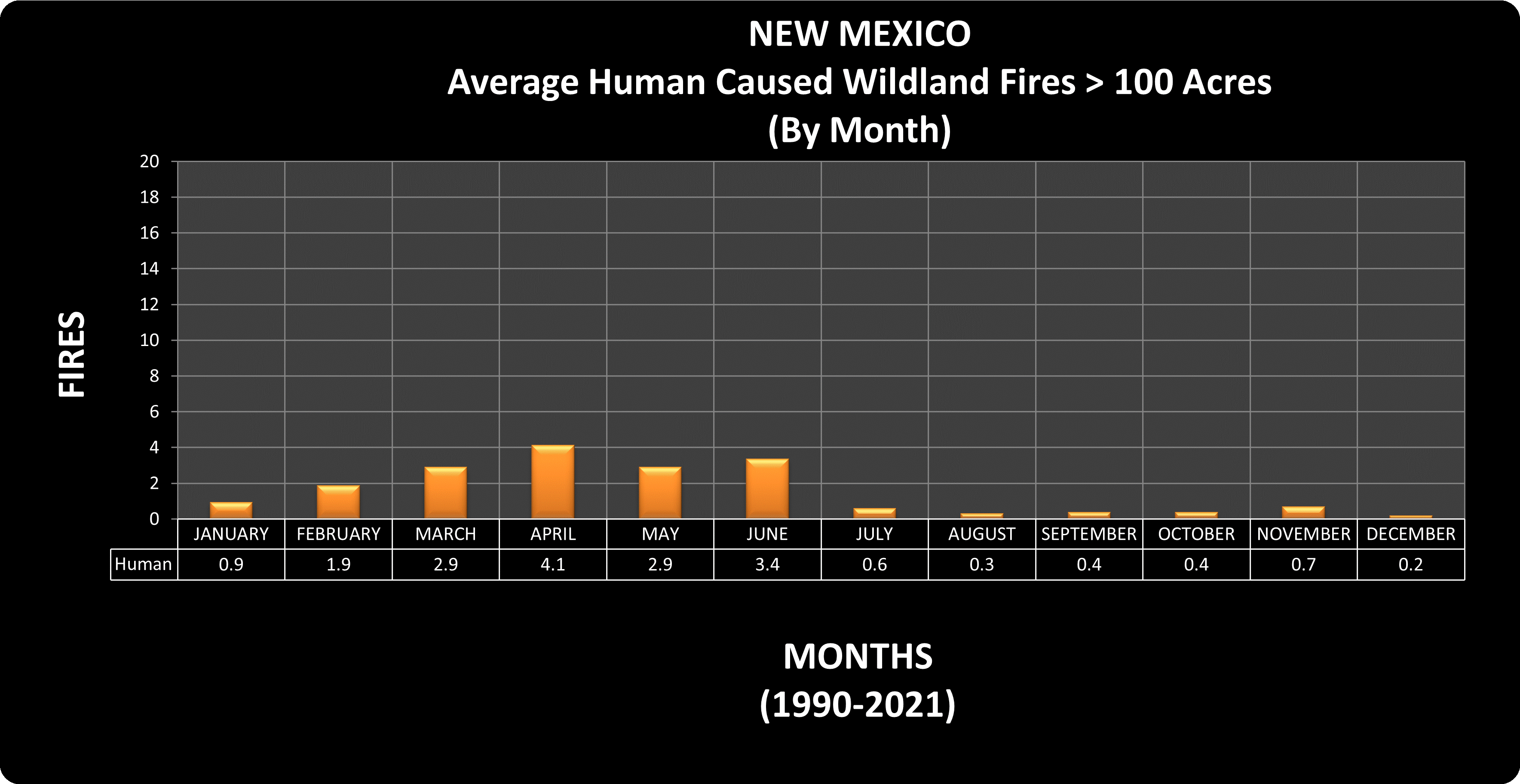
People start wildfires in a wide variety of ways. Vehicle exhaust pipes, cigarette butts, and poorly extinguished campfires are all common causes for wildfires. On average across the US, human-caused wildfires are responsible for over half of the total acres burned in a given year. Some years the percentage of acres burned by human-caused wildfires is much greater; for example, 82 percent in 2020. Specifically in New Mexico, humans have ignited nearly half (48%) of the wildfires since 1990, and these fires accounted for half (51%) of the acres burned by wildfire in the state during this period (SWCC 2026).
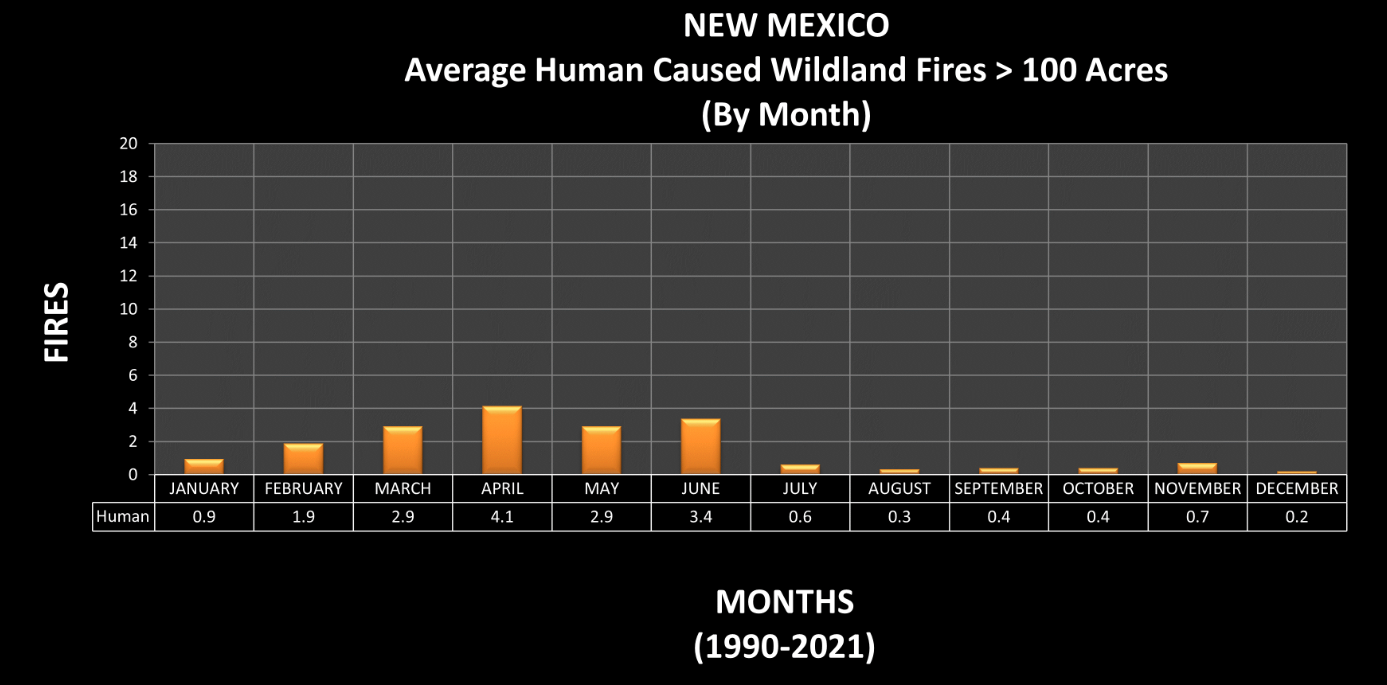
Source: Southwest Coordination Center
Human-caused wildfire ignitions often align with key access points to public lands including trails, campsites and roads that are typically embedded in fire prone vegetation and terrain, with many of these ignitions introduced by people engaged in recreational activities (Devenport and Edgeley 2025). Recreation-related ignitions can be caused by an array of accidental, intentional, or negligent human actions ranging from abandoned campfires and cigarettes to improper vehicle or firearm use. On average since 2001, abandoned campfires have started 44% of the human-ignited wildfires in the Southwest (Arizona, New Mexico, and west Texas). In this region, abandoned campfires are the most common single source of human ignitions, and 80 percent of wildfires started by campfires are within a quarter mile of a road (Evans 2018). Unattended campfires are a problem too. According to a report published in 2018, over Memorial Day weekend in 2017, Santa Fe National Forest staff found 41 unattended campfires.
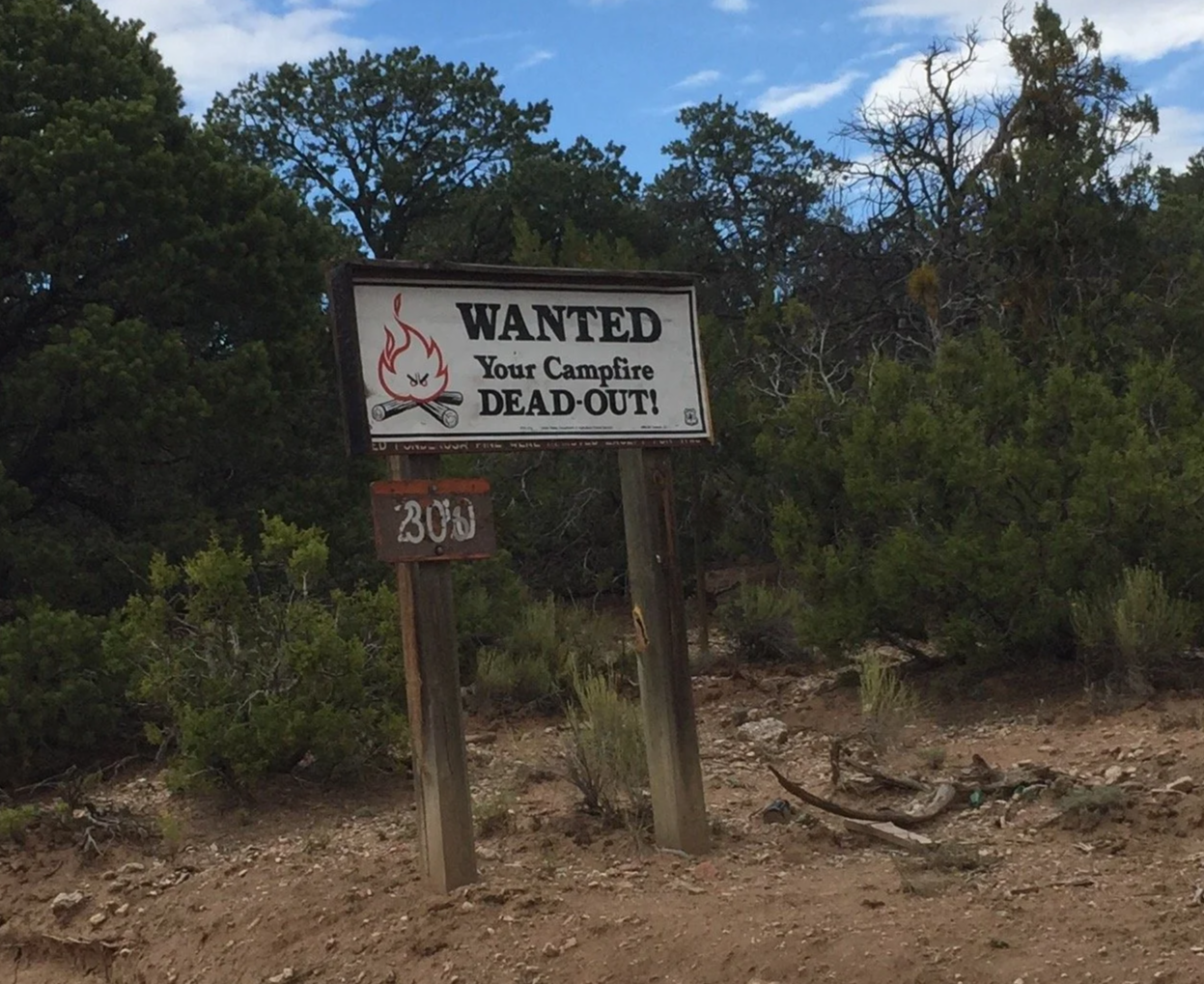
Campfire and road ignitions often drive larger fires because of their locations. In contrast to lightning, which may be more likely on a ridge (and then burn down slope), human ignitions are often linked to roads and recreation sites in valleys. Fires that start in valleys or lower slopes can burn up slope easily and hence grow faster. Additionally, some the country’s most devastating and costly wildfires have been started by campfires. For example, the 2016 Soberanes Fire in California was started by an illegal campfire and cost at least $229 million dollars to suppress, and the 2011 Wallow Fire in Arizona burned more than half a million acres after it was ignited by an abandoned campfire. The acres burned in that single fire alone were more than the average number of acres burned by human-ignited wildfires across the early 2000s.
Campfires and other recreation-related activities are well-known sources of human-caused wildfires, but in New Mexico, agricultural and debris burning is the leading causes of unintentional wildfire ignitions. During periods of elevated fire danger, counties and municipalities often implement burn bans to reduce the risk of escaped fires. However, when people choose to burn despite dry, windy conditions and highly flammable vegetation, a single escaped fire can quickly grow into a large wildfire.
Shooting Range Accidental Ignitions
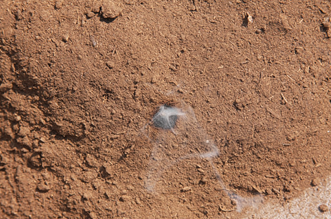
Photograph showing smoldering ignition from a hot bullet fragment as first detected in peat. Photo credit: Rocky Mountain Research Station
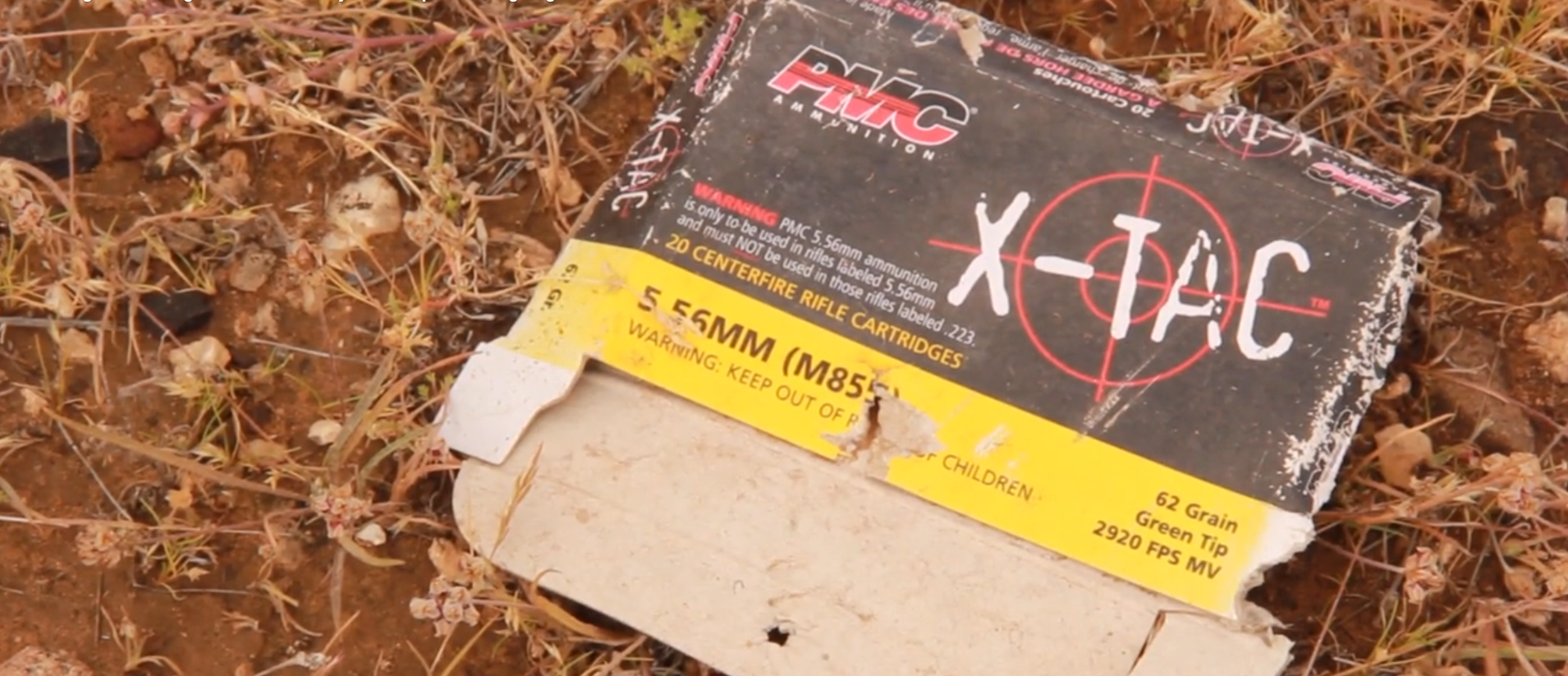
Target shooting is an often-overlooked source of human-caused wildfire ignitions, yet accidental fires caused by firearms occur across the western United States every year. In fact, the frequency of target shooting-related wildfires has increased substantially over the past 15 to 20 years. Fires can start when a bullet strikes a rock or metal object, producing sparks or hot metal fragments that land in dry vegetation. Under hot, dry, and windy conditions, those fragments can provide enough heat to ignite fine fuels, allowing a small ignition to quickly grow into a wildfire.
Research has confirmed that this risk is real. A 2013 study by the Rocky Mountain Research Station found that bullets can reliably ignite dry fuels, particularly ammunition containing steel components (such as a steel core or jacket) and solid copper bullets. In the study, researchers fired bullets at a steel target, directing the resulting fragments into oven-dried peat moss to evaluate ignition potential. While all types of ammunition have the potential to start fires under the right conditions, steel- and copper-based bullets fragmented more frequently, increasing the likelihood of ignition. Although these fragments cool rapidly, they can still ignite very dry, fine organic material when it is close to the impact site.
Accidental target shooting ignitions occur throughout the West, and although comprehensive historical records are limited, land managers recognize the growing need to reduce this source of ignition risk. One promising approach is the development of managed shooting areas that are designed to minimize ignition risk. A case study featured by the Southwest Fire Science Consortium highlights how the Bureau of Land Management's Phoenix District has reduced wildfire risk by constructing and maintaining developed shooting ranges in the Sonoran Desert. By providing safer locations for recreational shooting, these facilities help reduce accidental ignitions, protect surrounding landscapes, and improve safety for both the public and firefighters. This example demonstrates how proactive prevention strategies can reduce human-caused wildfires while still supporting recreational opportunities.
Prevention
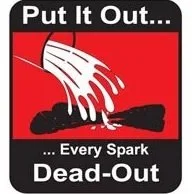
Fire prevention focuses on stopping unwanted wildfires before they start, in essence, addressing the cause rather than the consequences. Because humans are responsible for the vast majority of wildfire ignitions in the United States, prevention efforts target the most common sources of accidental fire starts. While no single strategy can eliminate all human-caused wildfires, small, targeted actions can make a meaningful difference. Research has shown that prevention education can reduce wildfires caused by escaped campfires, smoking, equipment use, and other preventable human activities. Many people are already familiar with common fire prevention practices, such as avoiding spark-producing equipment on high fire danger days, securing tow chains, never driving or parking on dry grass, keeping burn piles attended, and remembering to "drown, stir, and feel" before leaving a campfire.
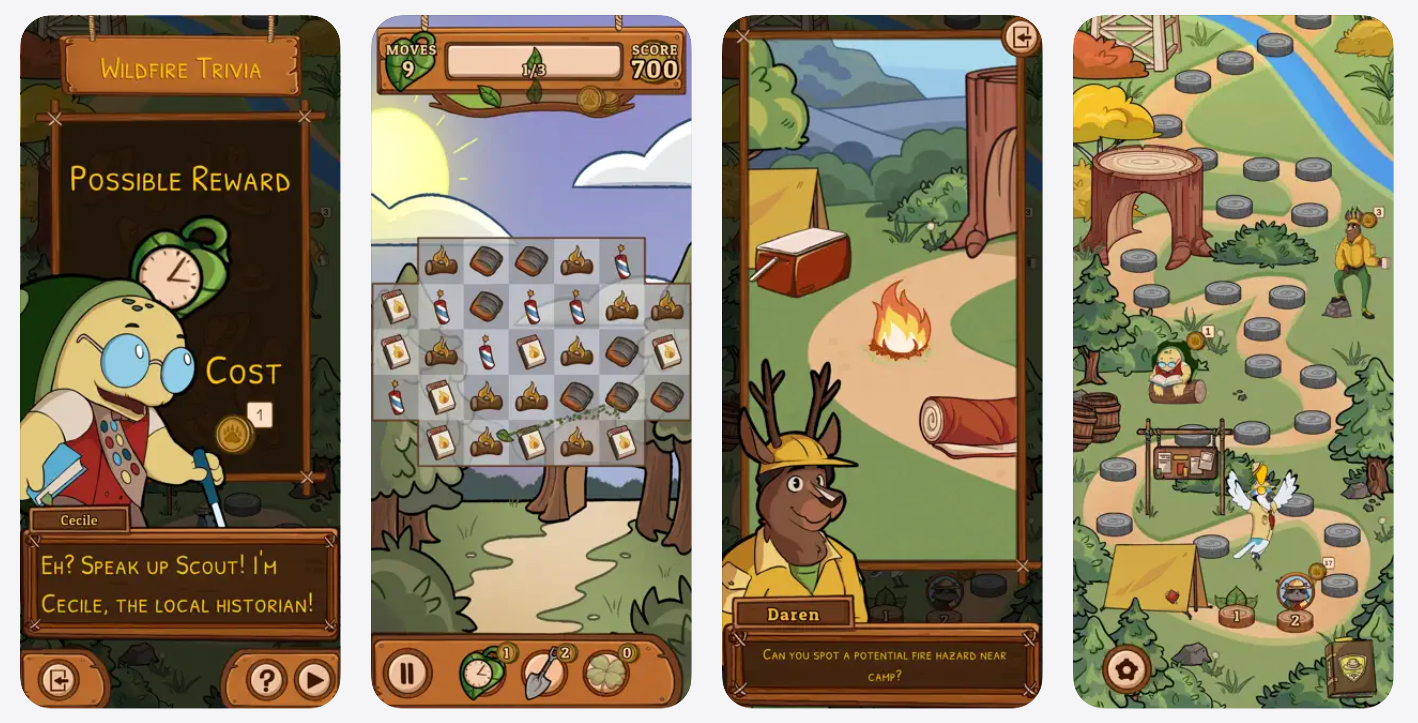
While these messages are widely shared through signs, public service announcements, and educational materials, they are often delivered in a one-way format. To make wildfire prevention education more engaging and interactive, the Columbus College of Art & Design partnered with Smokey Bear to develop Smokey's Scouts, a mobile matching game for kids, teens, and adults. Players join Smokey Bear and a team of animal scouts on a hike, identifying and removing fire hazards along the trail to prevent unwanted wildfires. As they play, users learn about Smokey Bear's history, practice recognizing wildfire risks, and earn badges and bear tokens as they progress through scout training. By turning prevention lessons into an interactive experience, the game helps reinforce fire-safe behaviors in a fun way.
Interactive tools are just one way to expand wildfire prevention outreach. Another opportunity is to incorporate prevention messaging into existing programs such as Firewise USA® and Fire Adapted Communities, which already engage homeowners and neighborhoods in reducing wildfire risk. By connecting human-caused ignitions to the risks faced by communities in the wildland-urban interface (WUI), these programs can help residents better understand how everyday decisions influence wildfire outcomes. Integrating prevention education into community wildfire preparedness efforts can also strengthen local advocates for fire-safe practices and reduce preventable ignitions. Since people cause many wildfires, we also have the power to prevent them.
Additional Resources and Upcoming Opportunities
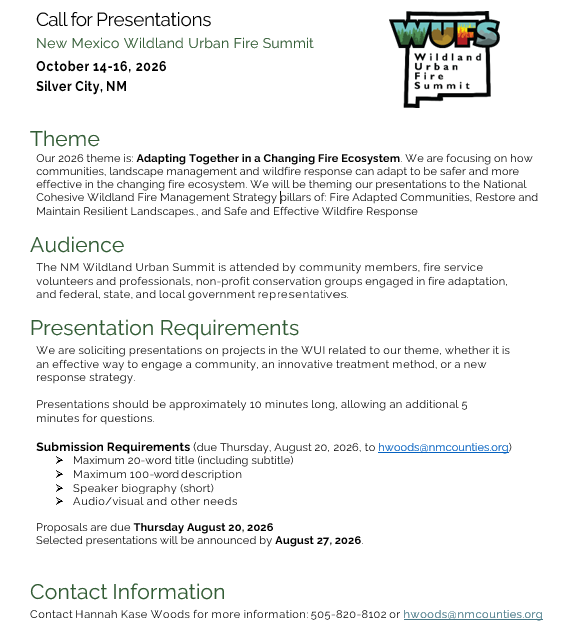
NM Wildland Urban Fire Summit Call for Presentations
Interested in sharing during a flash round of project presentations at this year's New Mexico Wildland Urban Fire Summit (NM WUFS)? See the call below and come share a project from the WUI that showcases one or more of the three pillars of the National Cohesive Wildland Fire Management Strategy: Fire Adapted Communities, Resilient Landscapes, and Safe & Effective Wildfire Response.
Otherwise, please save the date for our 2026 conference in Silver City, NM October 14 – 16.
NEW RESOURCE:
After Wildfire New Mexico StoryMap
After Wildfire New Mexico is a resource created to help New Mexico communities, homeowners, landowners, and local governments navigate the critical period following a wildfire. Whether you are returning home, seeking recovery assistance, or organizing a community response, the After Wildfire Guide provides clear steps and reliable resources to help you stay safe and begin recovery with confidence.
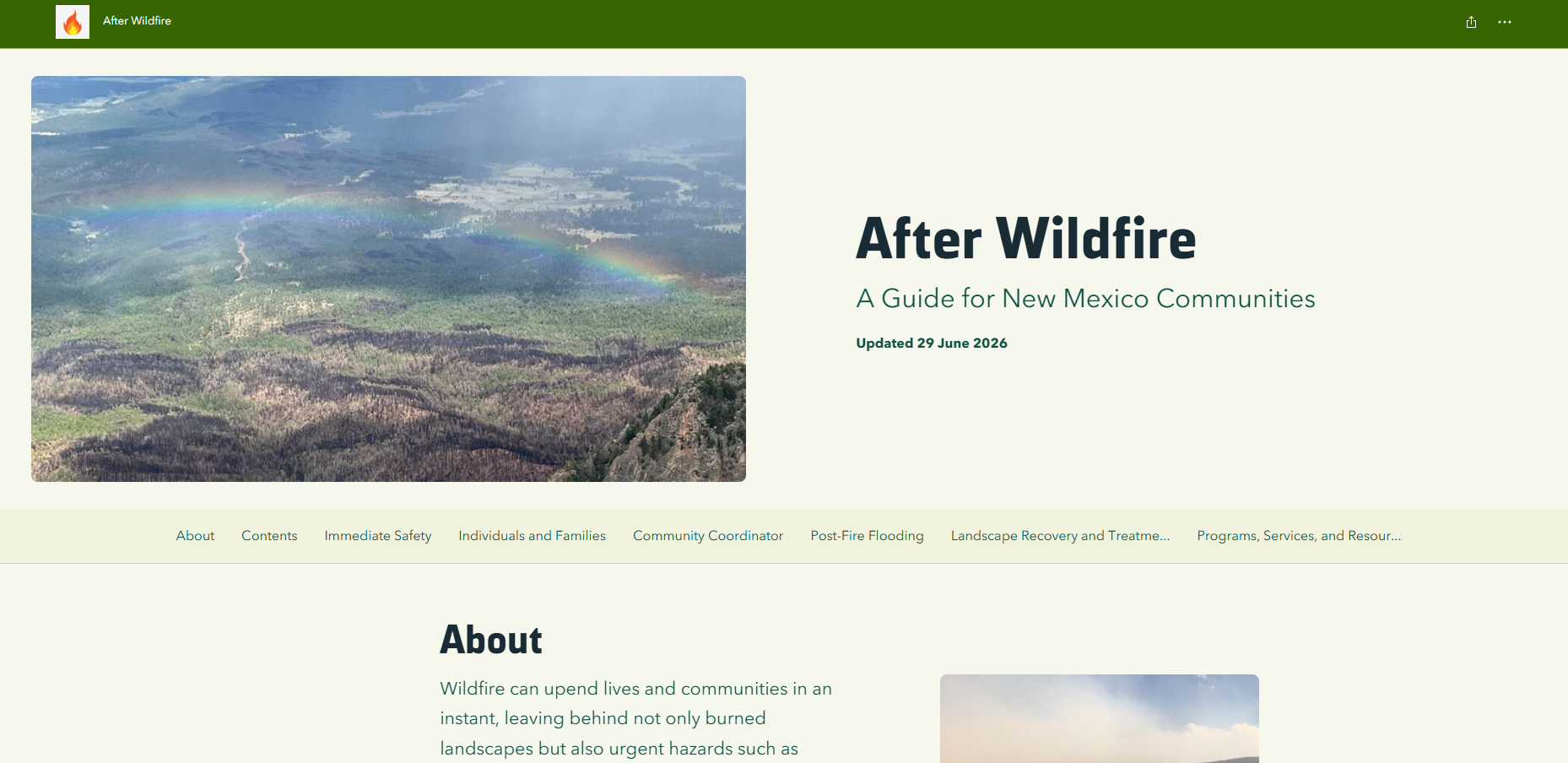
The Guide was updated in Spring 2026 by a large group of partners from across the state, and New Mexico Forestry Division subsequently developed an interactive StoryMap version of After Wildfire. The StoryMap features easy-to-navigate sections, clickable links, and embedded resources, making it easier to quickly find the information and tools you need. Click this link for full-screen viewing of the StoryMap: https://arcg.is/1zXGPC4 or visit After Wildfire Guide — Fire Adapted NM. Sections of the Guide included in the StoryMap are:
A PDF version of After Wildfire New Mexico will be available for download later this summer.
FUNDING:
FACNM Fall Microgrant Application Now Open
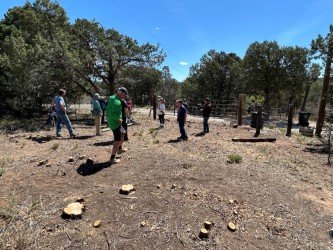
FACNM Leaders and Members are eligible to apply for grants awards of up to $2,000 to provide financial assistance for:
convening wildfire preparedness events,
enabling on-the-ground community fire risk mitigation work, or
developing grant proposals for the sustainable longevity of their Fire Adapted Community endeavor.
Applications with be accepted through August 3, 2026.
*Select applications with strong justification may be considered for awards over $2,000. Fall 2026 projects will have a reporting deadline of January 15, 2027.
JOB ANNOUNCEMENT:
Forest Stewards Youth Corps’ Fire and Fuels Program Now Hiring
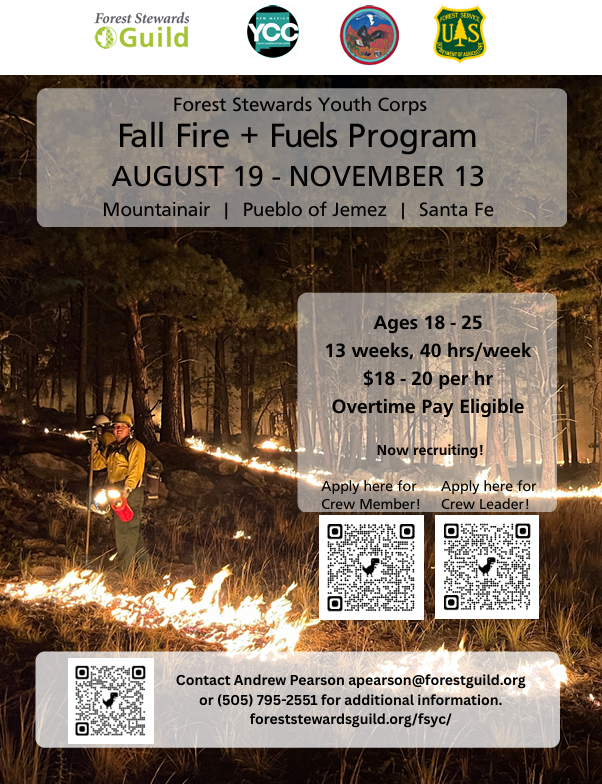
The Forest Stewards Youth Corps’ Fall Program is now hiring Crew Members and Crew Leaders ages 18-25 with Mountainair and Espanola/Santa Fe US Forest Service Districts, and Jemez Pueblo Natural Resource Department! Crews gain natural resource management experience, CPR and First Aid certifications, wildland firefighting and chainsaw certifications, and participate in prescribed burns when possible. The 13-week program will run from August 19th through November 13th. Crew Leads will begin the program a week earlier on August 13th.
Complete an online application through the flyer’s QR codes and find out more at Forest Stewards Youth Corps - Fall Fire and Fuels
Email apearson@forestguild.org or call (505) 795-2551 with any questions.
PRESS RELEASE:
U.S. Forest Service adds long-sought protections to limit health risks for wildland firefighters
On June 24, 2026, the Forest Service and the Department of the Interior announced new measures to better protect federal wildland firefighters from smoke and hazardous particulate exposure during the 2026 fire season. Federal wildland firefighters were authorized to use N95 respirators on the fireline after receiving formal training on their safe use in the wildland fire environment and standardized decontamination practices are being implemented such as gear cleaning, showers, and clean-air recovery. While no respirator currently meets OSHA standards for wildland firefighting, these interim measures aim to reduce immediate and long-term health risks caused by smoke and poor air quality. The announcement reinforces a commitment to improving firefighter health and safety, both now and for the long-term.
See the NIFC Health and Wellbeing program “Tools to Minimize Occupational Hazards” page for a link to the training, as well as discussion of how and when respirators should be used—or not used.
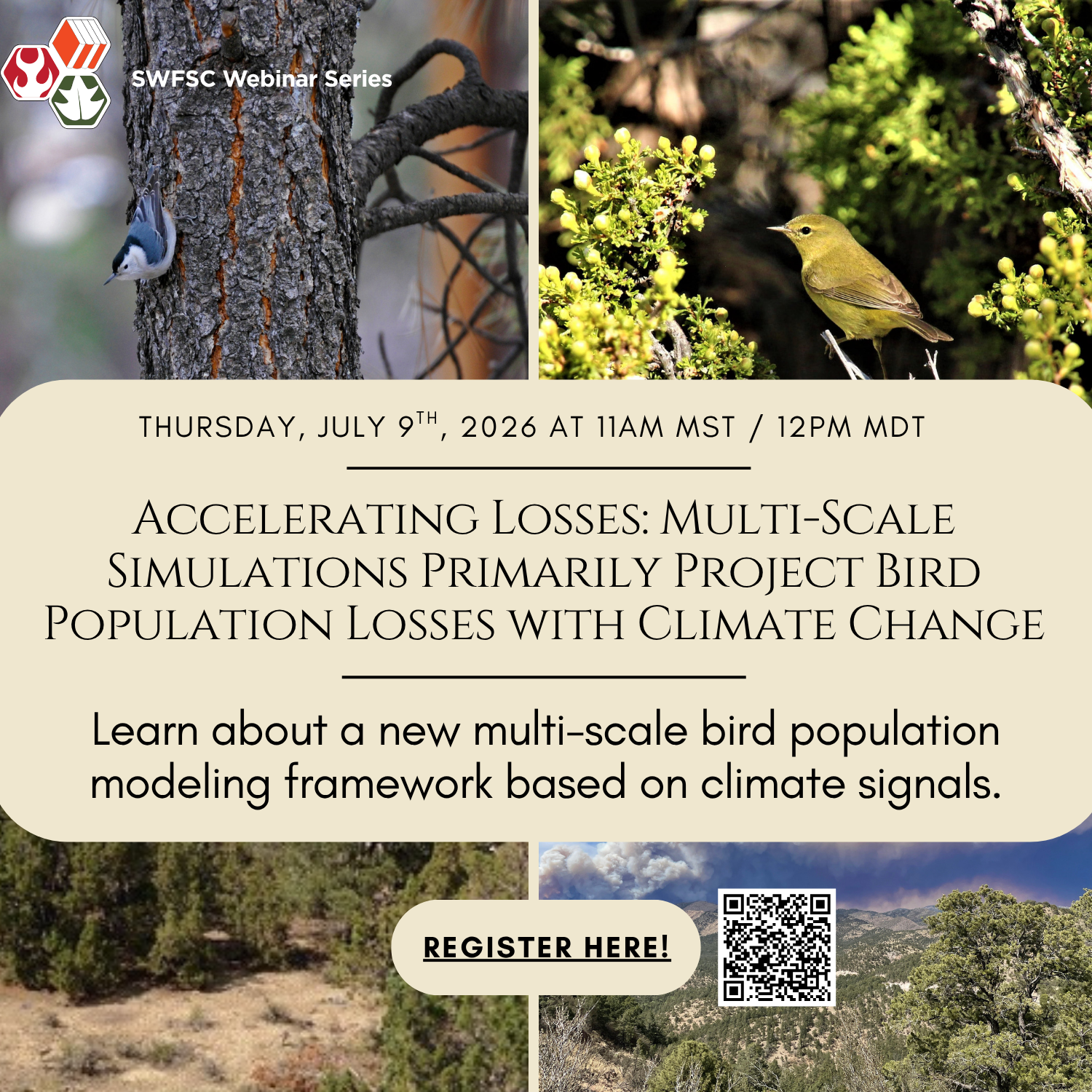
Join the Southwest Fire Science Consortium tomorrow July 9 at 12PM MDT to learn about a new multi-scale bird population modeling framework based on climate signals through vegetation which indicates that avian species across the Kaibab National Forest are expected to experience population decline across climate scenarios.
To register, click this link: Accelerating Losses -Meeting Registration