Happy Wednesday FACNM community,
During this time of year, the informational posts on fire awareness websites such as NM Fire Info start shifting from updates and warnings about active wildfires to announcements about planned and upcoming prescribed fires. When these notices about a prescribed burn planned near your community pop up, you may wonder: how do natural resource managers decide it is a good time to light these intentional fires?
Preparing for and carrying out a prescribed burn involves much more than a simple determination of whether the “weather is good.” Every day leading up to, during, and after ignition, the burn boss and planning team evaluate a range of factors to determine if conditions are appropriate to start a burn, continue ignitions, or discontinue an in-progress burn. This week’s newsletter takes a close look at some of the factors that influence those decisions. The following is a detailed dive into the decision-making that goes into intentional fire; it generally focuses on prescribed burns implemented by federal and state-affiliated agencies (rather than other types of intentional fire, such as cultural burning). For a shorter overview of this topic, click here to access a write-up from Friends of Balcones Canyonlands.
This Wildfire Wednesday features:
Factors that influence decision making during prescribed fires
Upcoming events and additional resources
2026 NM Wildland Urban Fire Summit
Home Hazard Assessment workshop
News release - fire restrictions lifted across the state
Upcoming webinar: Spurring adaptation to altered fire regimes in the Sonoran Desert
Hope you are well,
Megan
Factors that Influence Decision Making During Prescribed Fires
Role of the prescribed fire burn boss
The prescribed fire burn boss is a qualified individual responsible for directing and supervising prescribed fire operations. This individual acts to ensure that specifications outlined in the prescribed burn plan are followed before, during, and after the burn (a “burn plan” is a detailed document outlining the purpose of the burn, site information, a description of the area (like fuel types and topography), pre-burn factors (like ideal weather and required crew size), contingency plans (what to do if something goes wrong), what criteria would lead to the cancelation of a burn, and a fire suppression plan).
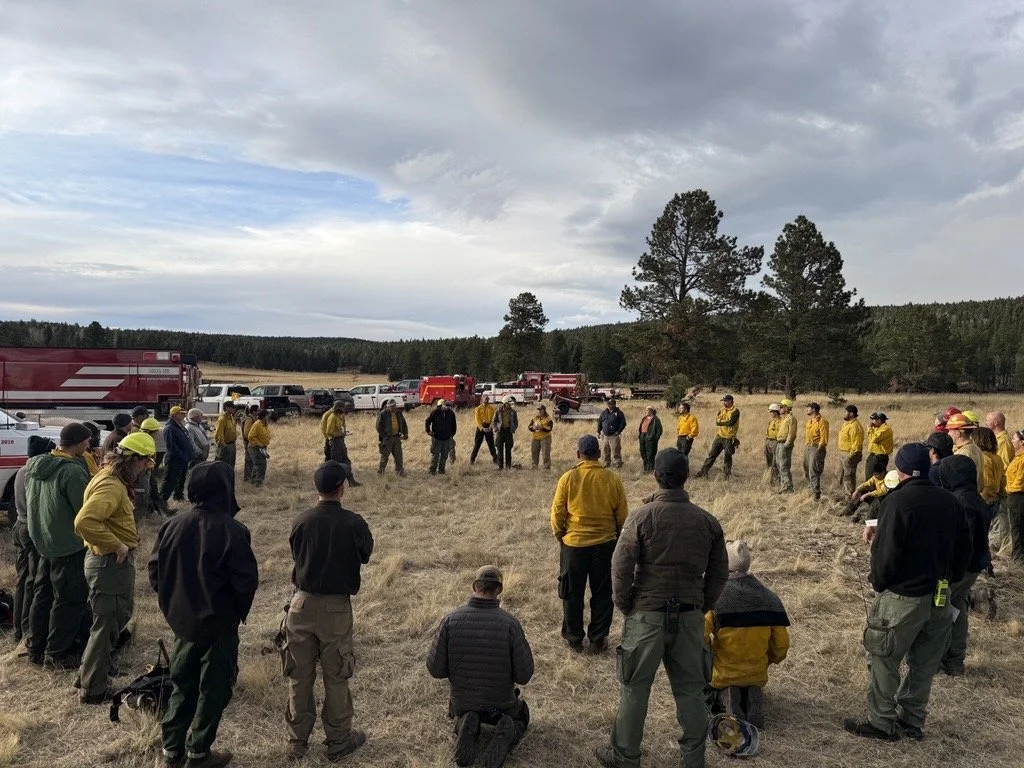
Burn bosses lead a team to accomplish a burn including field supervisors that direct firefighters, outreach communications, logistics, fire planners, and collaborators at permitting agencies and many more. Burn bosses operate in accordance with policies depending on their jurisdiction or agency, National Wildfire Coordinating Group (NWCG) standards, and applicable federal, state, and Tribal regulations. The burn boss implements the prescribed fire plan under the direction of the appropriate agency leadership. A key part of their responsibility is assessing conditions on the ground and making go/no-go decisions about whether the burn should begin, continue, be modified, or be stopped.
The decision-making process can be thought of through five main questions:
Can we burn? Are regulations, restrictions, permits, approvals, and required notifications in place?
Should we burn today? Are weather, fuel, smoke, and site conditions appropriate?
Can we achieve our objectives today? Will the expected fire behavior produce the desired ecological or fuels-treatment effects?
Can we safely manage the fire today? Do we have the people, equipment, control lines, communications, and contingency resources necessary?
Should we continue burning? Are actual conditions and fire behavior remaining within the approved parameters?
………………………………………………..
Weather and Fuel Conditions
A prescribed burn plan is written for a range of acceptable weather and fuel conditions (e.g. 40-65°F and 30-70% relative humidity), rather than a single ideal temperature or humidity. The Forest Service describes these prescribed fire “burn windows” as periods when weather, anticipated smoke dispersion, and vegetation conditions align with and are anticipated to result in the accomplishment of a project's objectives. Weather is an especially important consideration because it directly affects fire behavior, fuel moisture, and smoke production and dispersion.
Some of the key weather variables evaluated include:
Temperature – Temperature influences fuel drying and, along with other weather conditions, can affect fire intensity.
Relative humidity – Lower relative humidity generally contributes to drier fuels and can increase fire speed, spread, and intensity; Higher relative humidity can reduce fire behavior, sometimes to the point of preventing meeting burn objectives.
Wind speed – Wind affects the rate and direction of fire spread, flame length, spotting potential, and the ability of crews to control the fire. Wind can also contribute to the drying of fuels ahead of a flaming front by hastening evaporation and reducing moisture, potentially increasing potential fire intensity.
Wind direction – Managers need to understand where both the fire and smoke are likely to move.
Atmospheric stability and other atmospheric conditions – These influence the vertical movement of air, which directly impacts wildfire intensity, smoke dispersion, and erratic fire behavior. When considering the impacts of a prescribed fire on nearby communities, this influences whether smoke is likely to disperse or remain near the ground.
Recent, current, and future forecasted weather – Conditions leading up to the burn are important because they influence fuel moisture and how vegetation will respond to the fire. The forecasted weather must be within the parameters written into the burn plan in order for the burn boss to make the decision to proceed with ignitions.
Weather is only part of the equation. The condition of the fuels (flammable materials on the ground) that are going to be burned is also critical. The moisture content of live and dead vegetation is a result of the cumulative effects of past and present weather. Because of this connection, fuel moisture helps evaluate how current and forecast weather may affect fire behavior. If fuels are too wet, a fire may not carry or consume enough fuel to accomplish its objectives. If fuels are too dry, fire behavior may become more intense or difficult to control.
Burn managers evaluate moisture in fine fuels, such as grasses and needles, as well as larger dead fuels, such as branches and logs, and live vegetation, such as grasses, shrubs, and trees. They also consider fuel loading (the amount and arrangement of fuel within the burn unit). The type and continuity of these fuels influence how a fire will behave.
………………………………………………..
Desired fire behavior and project objectives
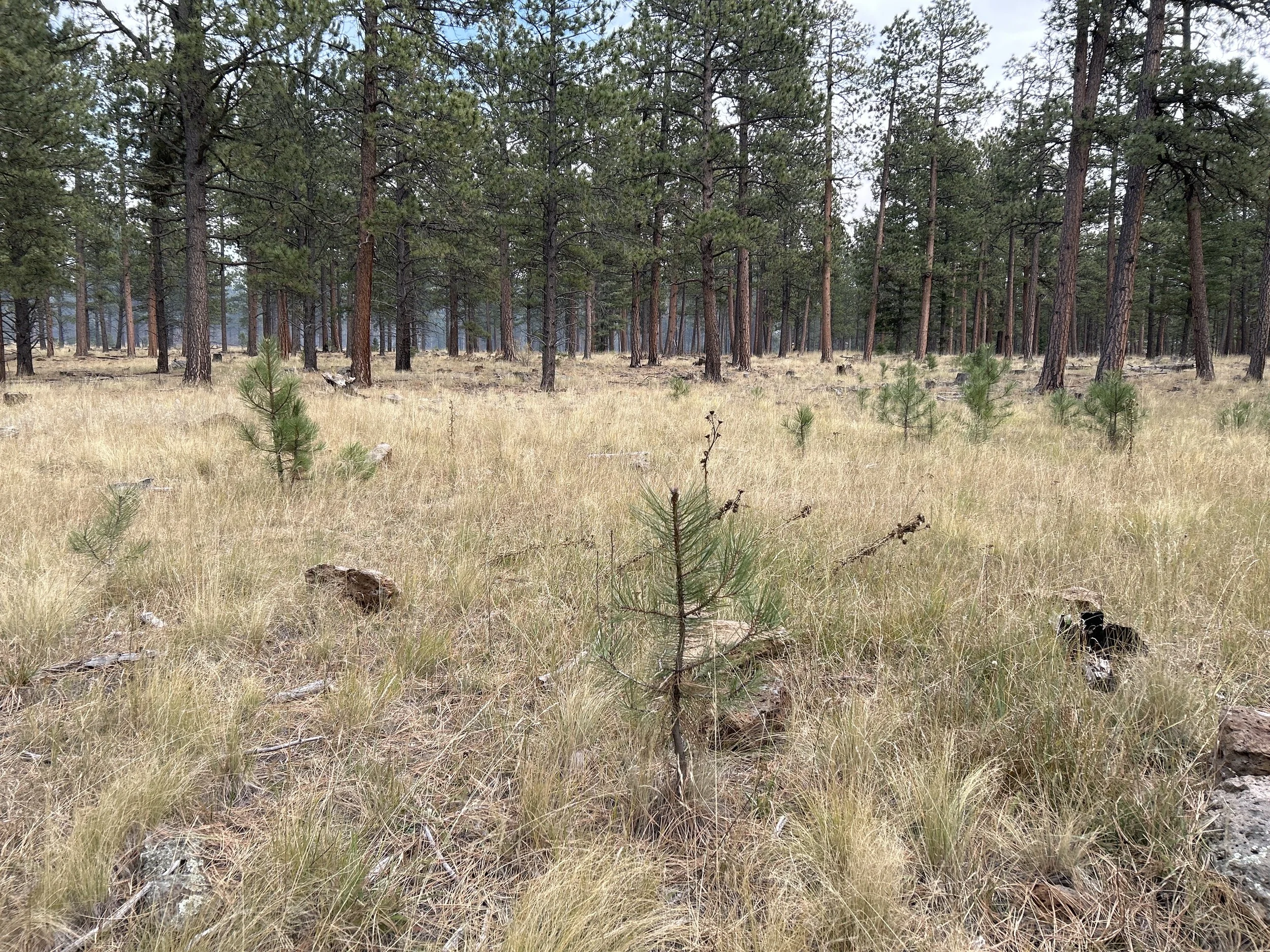
A burn plan is developed long before flames are applied to the landscape. The burn plan is a time for managers to develop the goals of the burn, such as habitat improvement, or wildfire risk reduction and then determine what conditions are necessary to produce the desired fire effects while keeping fire behavior manageable for firefighters.
Burn managers are therefore not simply asking, “Can we burn today?” They are also asking, “Will burning today produce the fire effects we want?”
For example, a project and plan may have larger goals like watershed protection or fire risk reduction and then identify specific on the ground targets such as:
Consume a particular amount of surface fuels.
Reduce small trees or ladder fuels.
Achieve a desired level of total fuel consumption.
Reduce invasive vegetation.
Improve or maintain wildlife habitat.
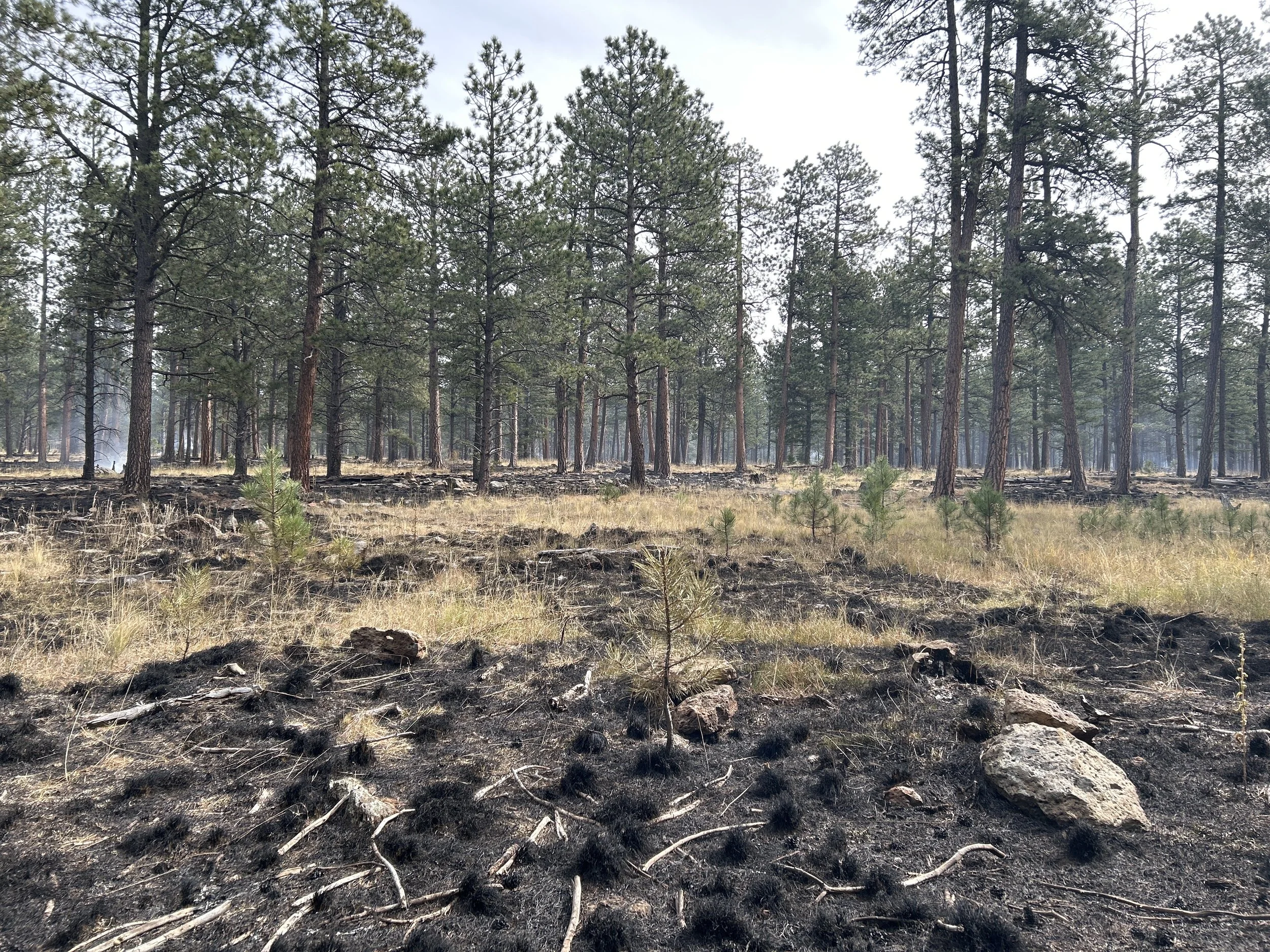
At the same time, the burn plan establishes conditions intended to avoid undesirable effects, such as excessive tree mortality, crown scorch, soil heating, or smoke production. This is one reason a day with conditions that are technically suitable for burning may still not be the right day to conduct a particular prescribed fire. The fire needs to behave in a way that helps accomplish the project's objectives.
………………………………………………..
Smoke management and air quality
A burn can be appropriate from a fire-behavior perspective but still not be appropriate to ignite because of smoke.
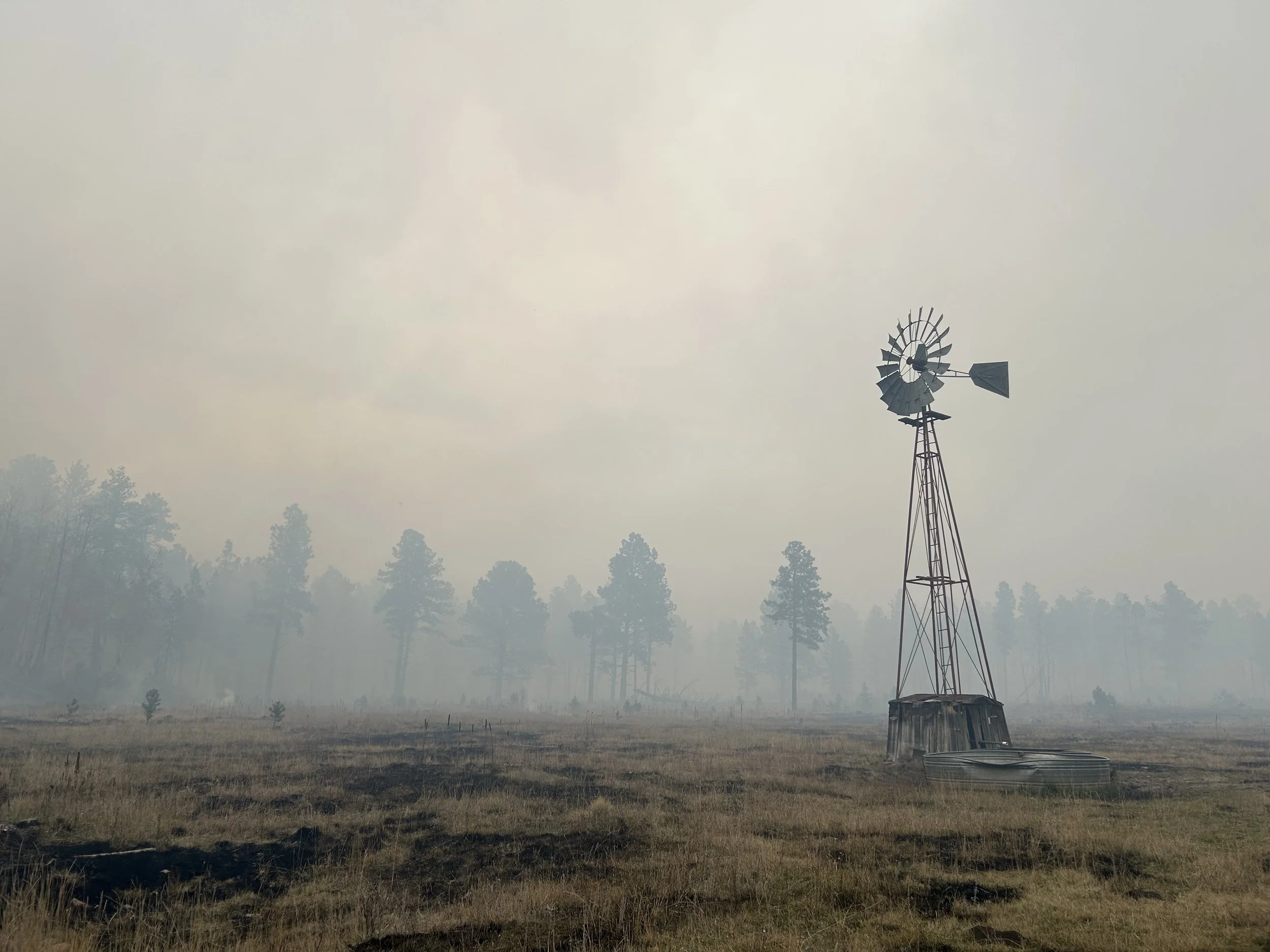
Prescribed fire is planned in advance to reduce unwanted smoke impacts. A smoke management plan is an important component of many prescribed-fire plans, and weather, fuel conditions, and smoke transport all factor into smoke-related decisions. Smoke management considerations can include where smoke is expected to travel, whether smoke is likely to disperse or settle; nearby communities, roads and potential visibility impacts; schools, hospitals, and other sensitive receptors; existing air-quality conditions; and forecast atmospheric conditions.
A burn may therefore be postponed even when the fire behavior forecast looks favorable if smoke is expected to affect a sensitive area or create unacceptable visibility or air-quality impacts.
………………………………………………..
Burn site conditions
Conditions within the burn unit can also change the decision to ignite, even when the weather looks favorable. Before burning, managers evaluate the specific fuels, topography, control features, and surrounding conditions of the unit. Fuels are the most easily changed component of a burn and extensive work goes into changing fuels conditions to make the burn successful. These include removing fuels along the border of the burns or completing treatments within a burn area that change fire behavior. However, sometimes these conditions can change between the time a burn is planned and the day it is scheduled. For example, a recent wind event could put additional downed material across a control line, changing the fire behavior and risk assessment even though the weather remains within the prescription.
When developing a burn plan, managers evaluate and address:
Fuel continuity and loading.
Adjacent vegetation and fuels outside the burn unit.
Slope and topography.
Drainages and other landscape features.
Roads, trails, and other potential control features.
The condition of control lines.
Nearby structures and infrastructure.
Access for fire personnel and equipment.
Whether holding resources can reach all portions of the unit.
Immediately before a burn, the site is reevaluated and these observations help managers determine whether the conditions on the ground still match the assumptions and expectations built into the burn plan.
………………………………………………..
Fire behavior and ability to control it
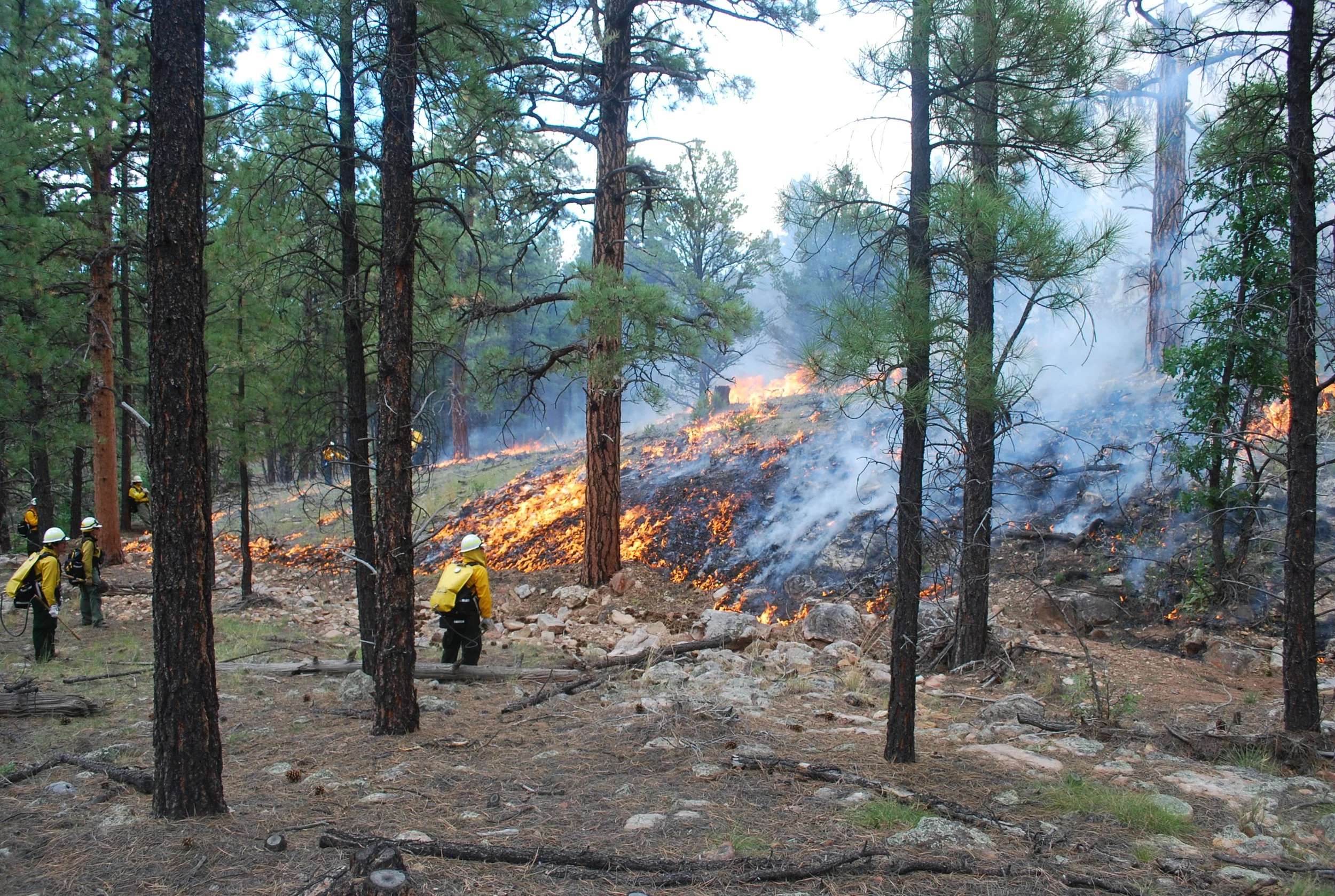
Even when weather and fuel conditions are within the desired range, managers need confidence that the fire will behave as expected and remain manageable. Field observations can help managers evaluate how the fire is responding to the day's conditions. Before beginning ignitions across a burn unit, crews may conduct a test fire—a small, carefully selected ignition used to observe how the fuels are igniting and how the fire is behaving under current conditions.
The test fire can provide valuable information about characteristics such as:1) ignition and fuel consumption, 2) rate and direction of spread, 3) flame length and fireline intensity, and 4) spotting potential and potential for unwanted fire behavior.
The actual behavior of the test fire can then be compared with what was expected in the burn plan. If the fire behaves differently than anticipated, the burn boss may decide to adjust operations, pause ignitions, or stop the burn altogether.
………………………………………………..
Staffing, equipment, and operational readiness
A burn may be within prescription and the environmental conditions may be appropriate for ignition, but the prescribed fire still may not start if the necessary people or equipment are not available. This is an important distinction: weather conditions alone don't make a burn a “go.” The entire operation needs to be ready. Operational readiness can include having appropriate and qualified personnel available and on-site including a burn boss and necessary supervisors, ignition and holding crews, as well as engines and water resources. There also needs to be appropriate and available medical resources and adequate contingency resources. Contingency resources are firefighters that are not committed to the burn. but are dedicated to supporting any escapes of the fire outside of the planned area.
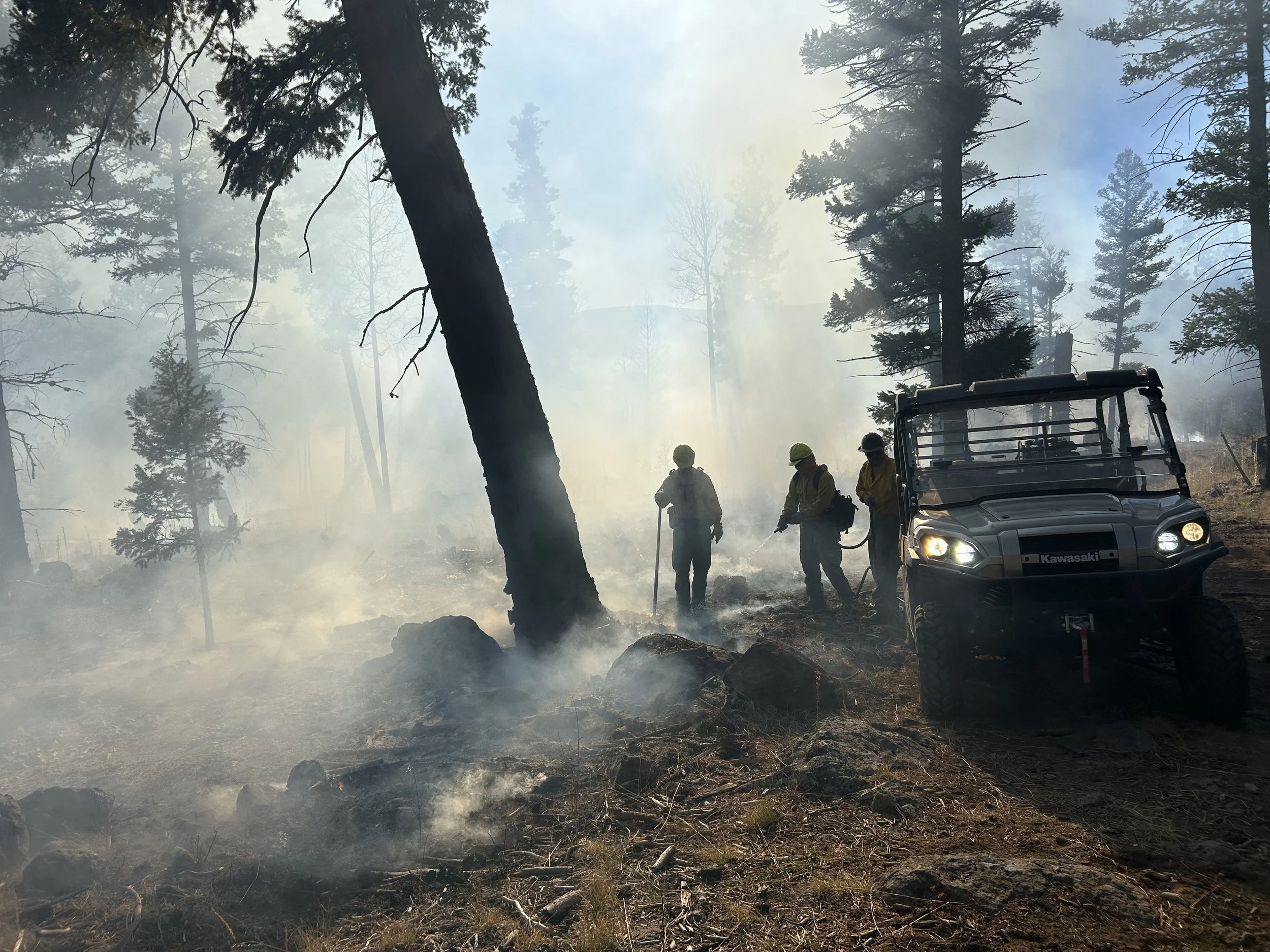
The burn team needs to be prepared not only for the expected fire behavior, but also to respond if conditions change or the fire behaves outside expectations.
………………………………………………..
During the burn
Importantly, the start of ignition does not mean the burn is committed to continuing regardless of what happens. Conditions can change throughout the day. Wind can increase or shift direction, humidity can change, fuels can burn differently than expected, smoke can begin moving toward a sensitive area, or crews may identify an unexpected condition on the ground. During a burn, managers continuously monitor factors such as wind speed and direction, relative humidity and temperature, fire behavior and fuel consumption, spotting, smoke movement and dispersion, holding effectiveness, and overall fire effects.
If conditions move outside the parameters established in the burn plan—or if the fire begins behaving differently than expected—the burn can be modified, paused, or stopped.
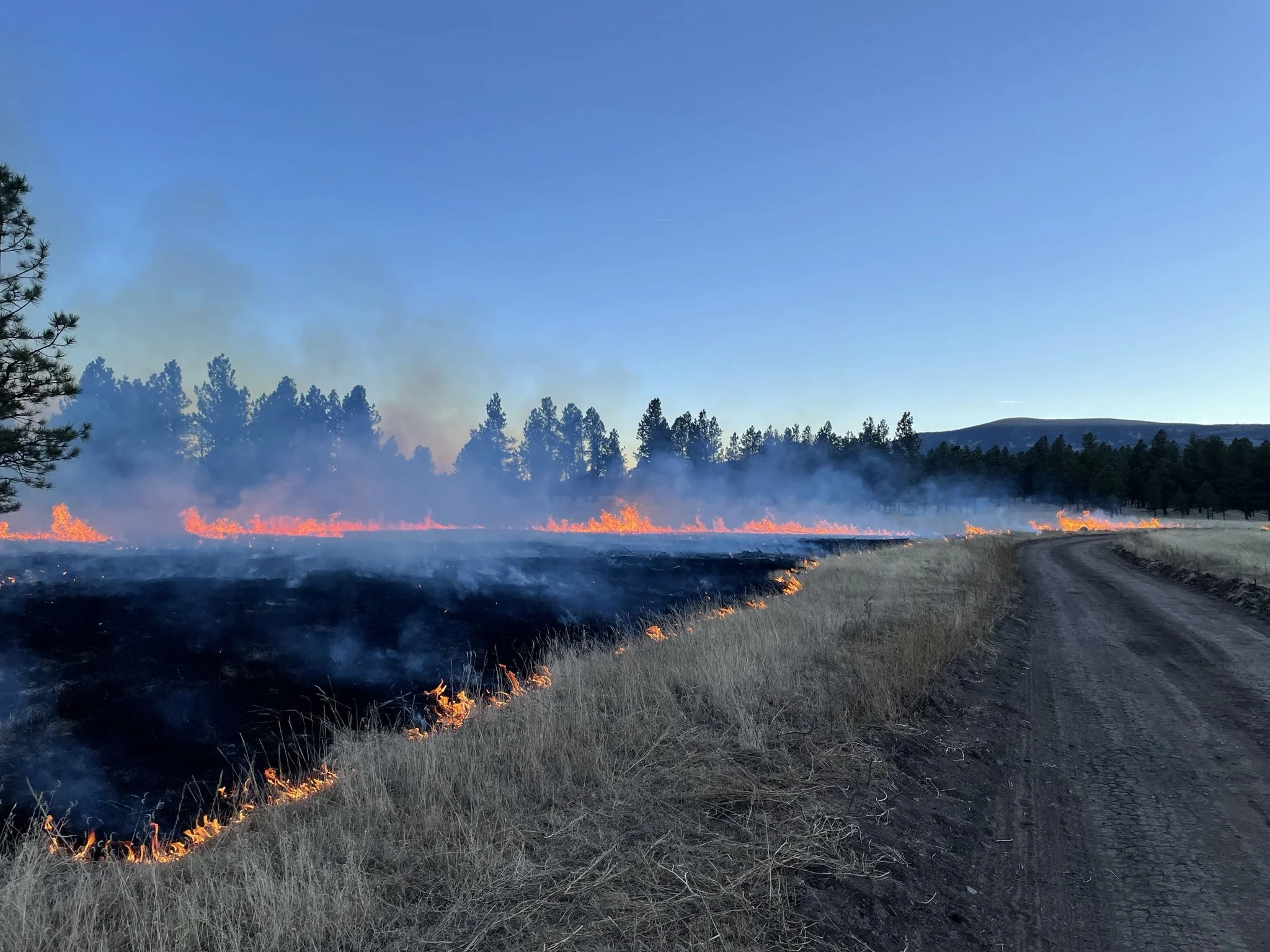
Ultimately, a prescribed fire is the result of many factors coming together. The right weather is necessary, but it is only one piece of the puzzle. Determining whether it is the right time and place to put fire on the ground is a dynamic decision that combines considerations of weather, fuels, fire behavior, smoke, site conditions, project objectives, impacts, operational readiness, and more.
Upcoming Events and Additional Resources
NM Wildland Urban Fire Summit (NM WUFS)
Registration is open for the 2026 New Mexico Wildland Urban Fire Summit! Join community leaders, fire professionals, land managers, nonprofits, and agencies from across New Mexico his October 14-16 in Silver City for three days on wildfire preparedness, mitigation and recovery for resilient communities.
Hear success stories, visit treatment projects in the forest, and sit in small-group sessions designed to help you build connections and deepen your knowledge of wildfire adaptation.
Registration is $50 for students, members of the public and nonprofit representatives, and $150 for government attendees. Hope to see you there!
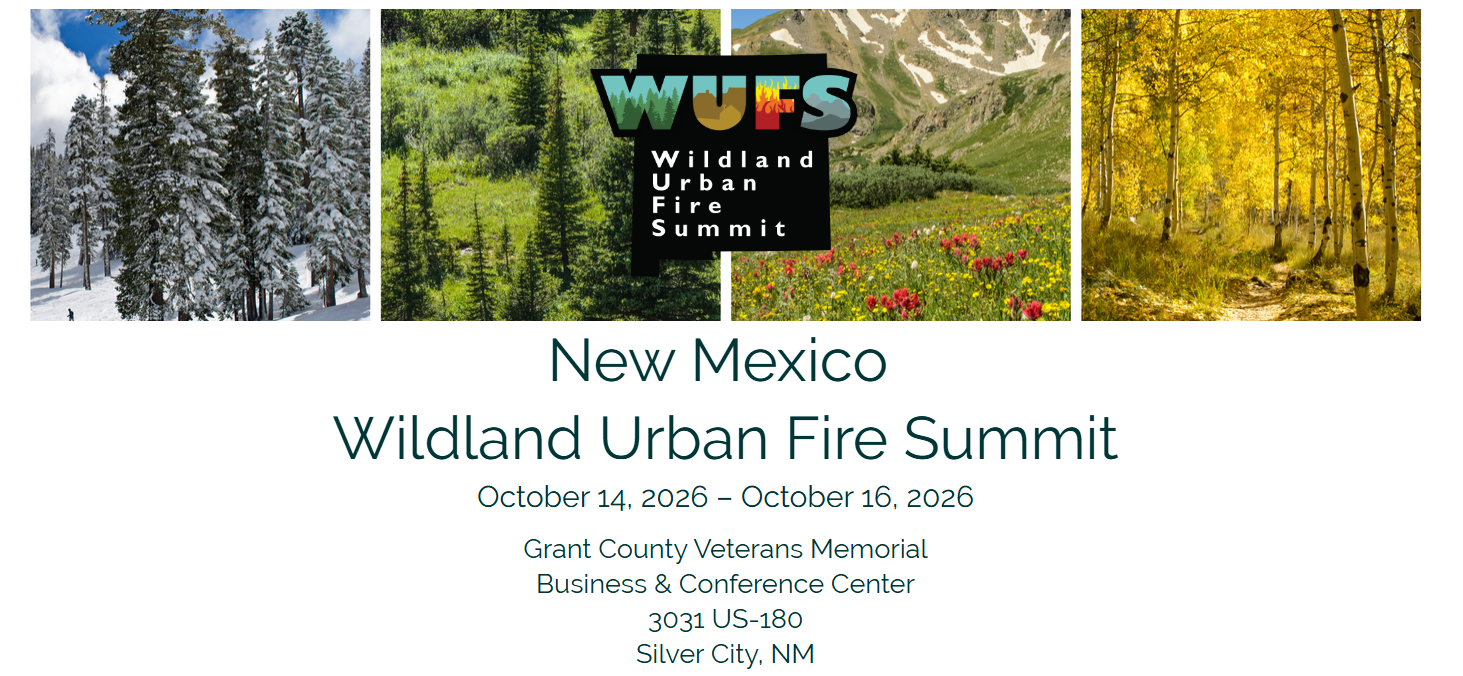

Do you assess wildfire risk to homes or structures in New Mexico — or want to learn about offering home wildfire risk assessments? Join the Forest Stewards Guild, NM Forestry Division, and City of Santa Fe Fire Department for a FREE half-day Home Assessment Workshop and Learning Exchange in Silver City, NM October 14.
This workshop will instruct attendees who are new to the process on how to perform home assessments, provide ecotype-specific recommendations for wildfire mitigation around homes, and review programs to help homeowners in high-risk areas to retain insurance. The workshop will also connect and enable knowledge sharing between fire departments, fire service professionals, land management organizations, county governments, and fire adapted communities’ leaders.
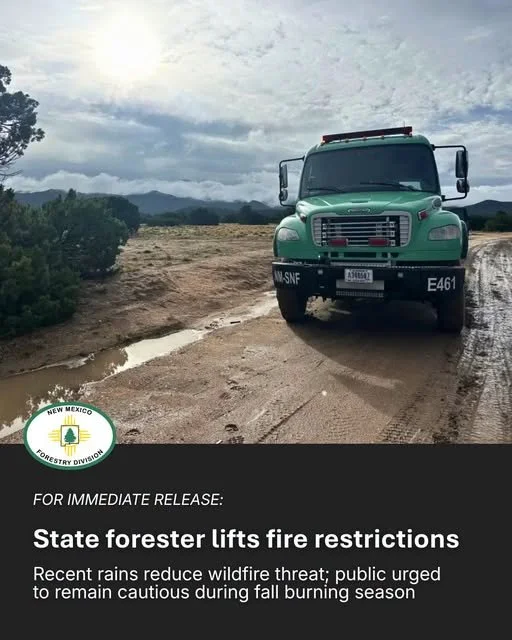
The New Mexico state forester rescinded statewide fire restrictions in response to recent rains which have reduced the threat of wildfire across the state.
“Late season precipitation has helped to alleviate wildfire spread,” said State Forester Laura McCarthy. “While fire restrictions are lifting, the public should continue to be vigilant about preventing human-caused wildfires, especially when conducting fall agricultural burns and at hunting camps.”
Upcoming Webinars
Thursday, 10/8/26, 12:00pm MDT: Spurring Adaptation to Altered Fire Regimes in the Sonoran Desert
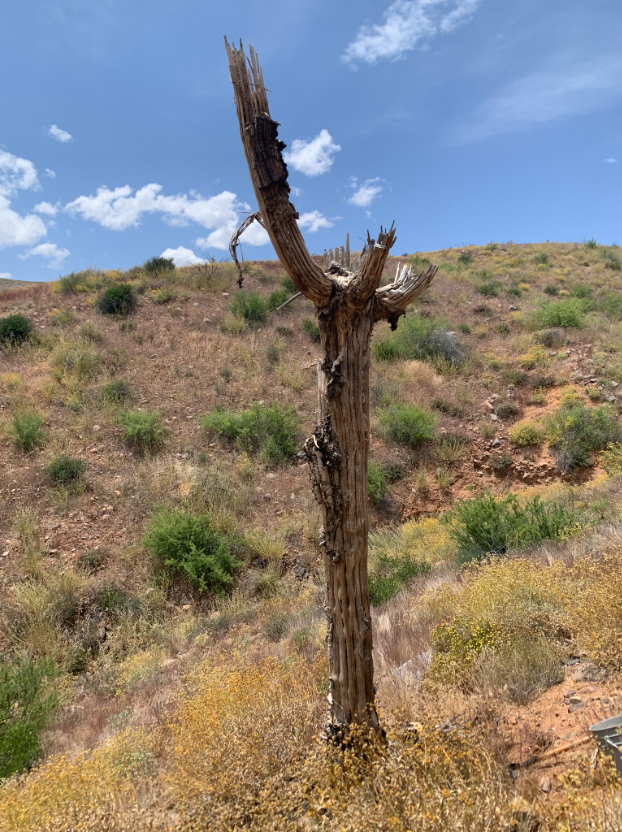
Fires in the Sonoran Desert have historically been infrequent and relatively small, with only a limited need for fire prevention measures. However, climate change and invasive species have led to more frequent and large wildfires in this ecosystem, promoting widespread changes in vegetation communities and declines in native species. Managers are starting to adapt by reducing fuel loads and are considering novel techniques for inhibiting fire spread.
Join this webinar from the Southwest Fire Science Consortium to learn about a new interactive decision-support tool for land managers working in the Sonoran Desert to assist them with prioritizing fuel reduction treatments to minimize fire risk and protect intact ecosystems. While this webinar focuses on the Sonoran Desert, the process of developing this tool and findings from the workshops that informed its creation will be applicable to managers working elsewhere.