Wildfire Wednesdays #8 - Wildfire Prevention - Fire Restrictions- Recreation Guidelines - PG&E Penalty

Hi FACNM Members,

With Memorial Day weekend right around the corner people are eager to get outside after months of staying home, so this week we are dedicating Wildfire Wednesday to Wildfire Prevention.

In New Mexico, nearly half of the wildfires since 2000 have been human caused. People start wildfires in a variety of ways, including vehicle exhaust pipes, cigarette butts, dragging chains, and poorly extinguished campfires. The amount of human caused wildfires is closely correlated with summer holidays like Memorial Day, Fourth of July, and Labor Day when many more people are out (Guild 2018). With that in mind, please be safe this Memorial Day weekend, always check for fire restrictions before you recreate outdoors.

This week’s Wildfire Wednesday includes:

  1. Fire prevention messages to be posted and shared on social media

  2. Some helpful links to check fire restrictions across the state

  3. COVID Outdoor Recreation Guidelines from the State of New Mexico

  4. A recent court decision holds PG&E  accountable for the Camp fire that burned through the town of Paradise, CA and killed 85.

Stay safe,

Gabe

Please Help us Prevent Wildfire! Use these social media posts!

Please help prevent wildfire by sharing these messages on Facebook, Instagram, Twitter or over email. If this simple step prevents one wildfire, it could save lives and will help keep our first responders safe during the 2020 fire season. Just add the flyer as a photo and use our suggested caption, or create one of your own. Then, like and follow the FACNM Facebook page so we can see your post!

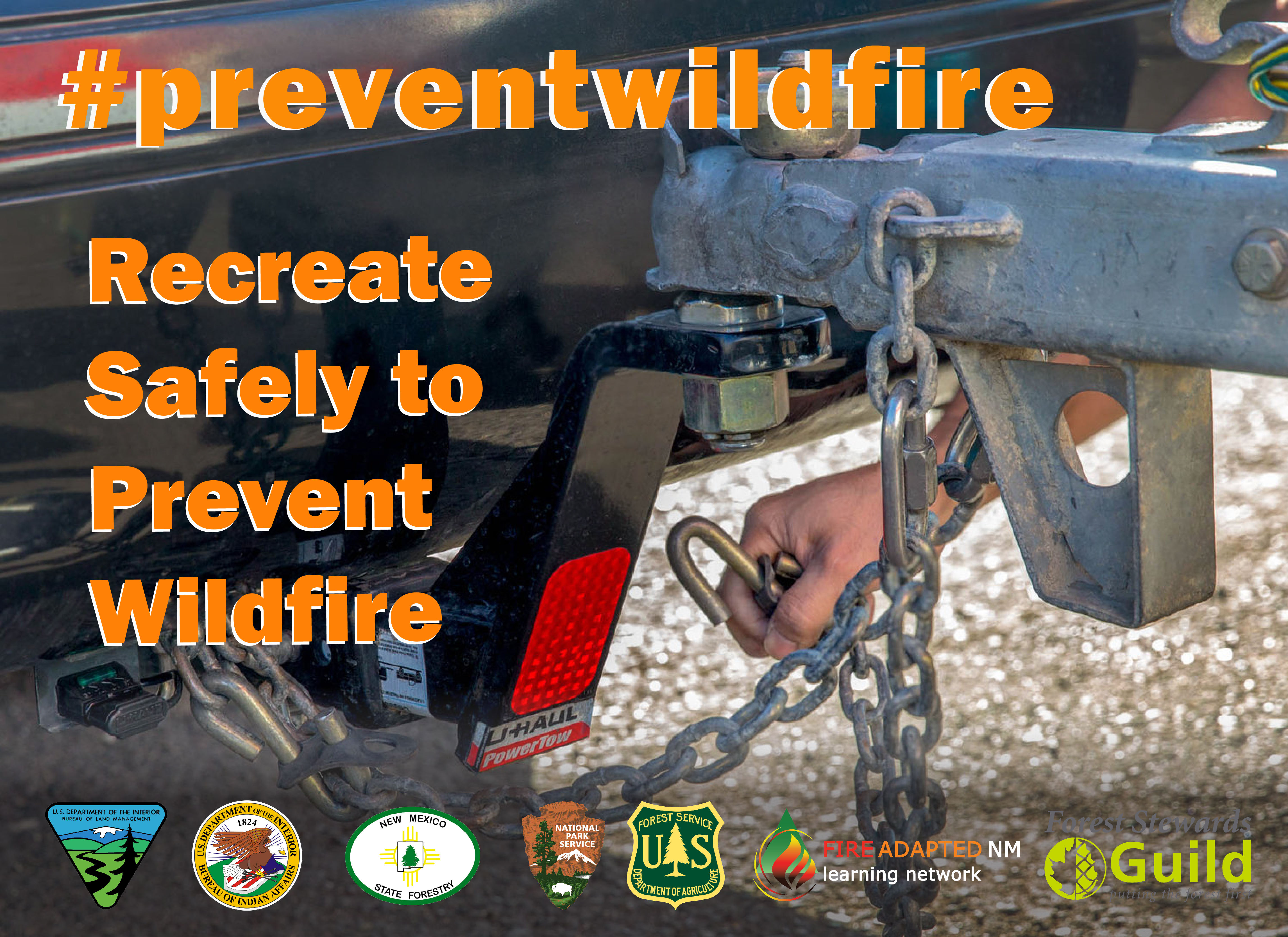
Responsible Rec Social Card -chains.jpg

Recreate Safely

Click Here to Download this Flyer!

Suggested Caption: Click Share and Help Prevent Wildfire: We all need your help to prevent wildfires this summer. The statewide average of human-caused wildfires in New Mexico is 48% of all wildfires and most of these fires can be prevented. Don’t drag chains, check spark arrestors on vehicles and equipment and for information about preventing wildfires over Memorial Day Weekend, visit https://nmfireinfo.com/  Suggested Hashtags: #recreateresponsibly #preventwildfire #nmfire #fireadaptednm
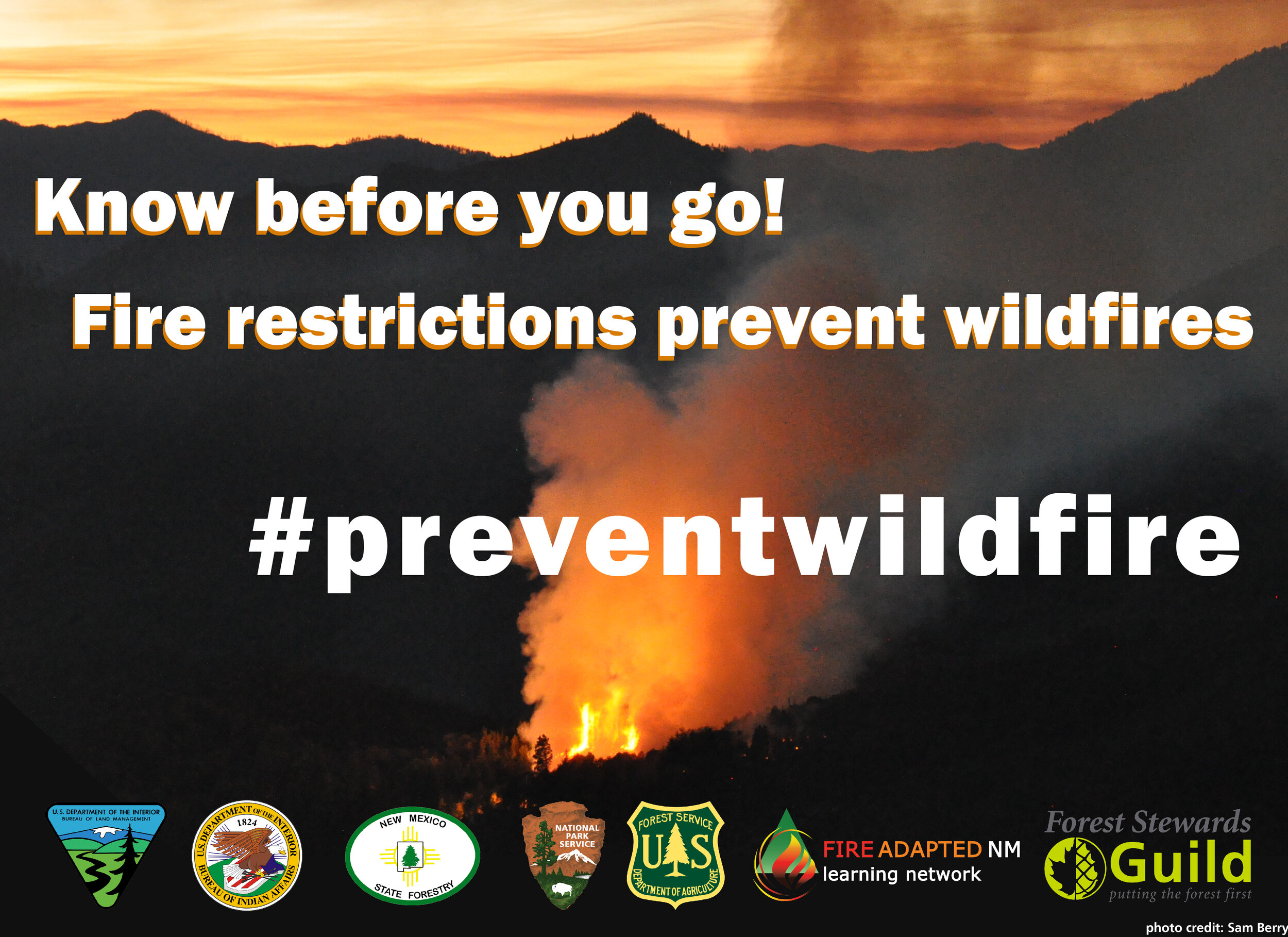
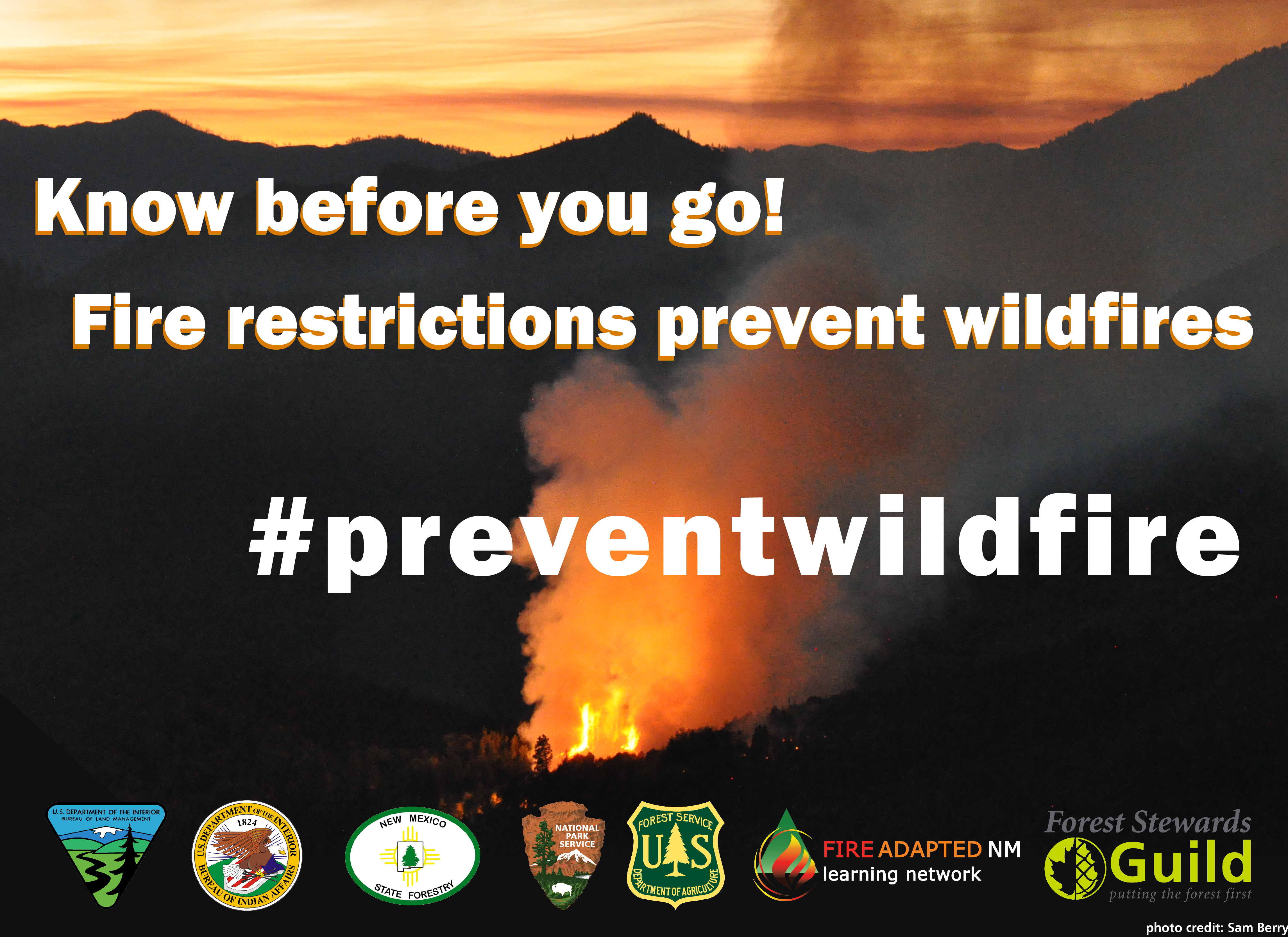
KBYG Social Card-01-01-01.jpg

Know Before You Go

Click Here to Download this Flyer!

Suggested Caption: Click Share and Help Prevent Wildfire: Know Before You Go! Before you make plans to have any smores over the campfire check for current fire restrictions.  For more information, call the Fire Restrictions Hotline: 1-877-864-6985 or visit https://firerestrictions.us/nm/ 

Suggested Hashtags: #recreateresponsibly #preventwildfire #nmfire #fireadaptednm 

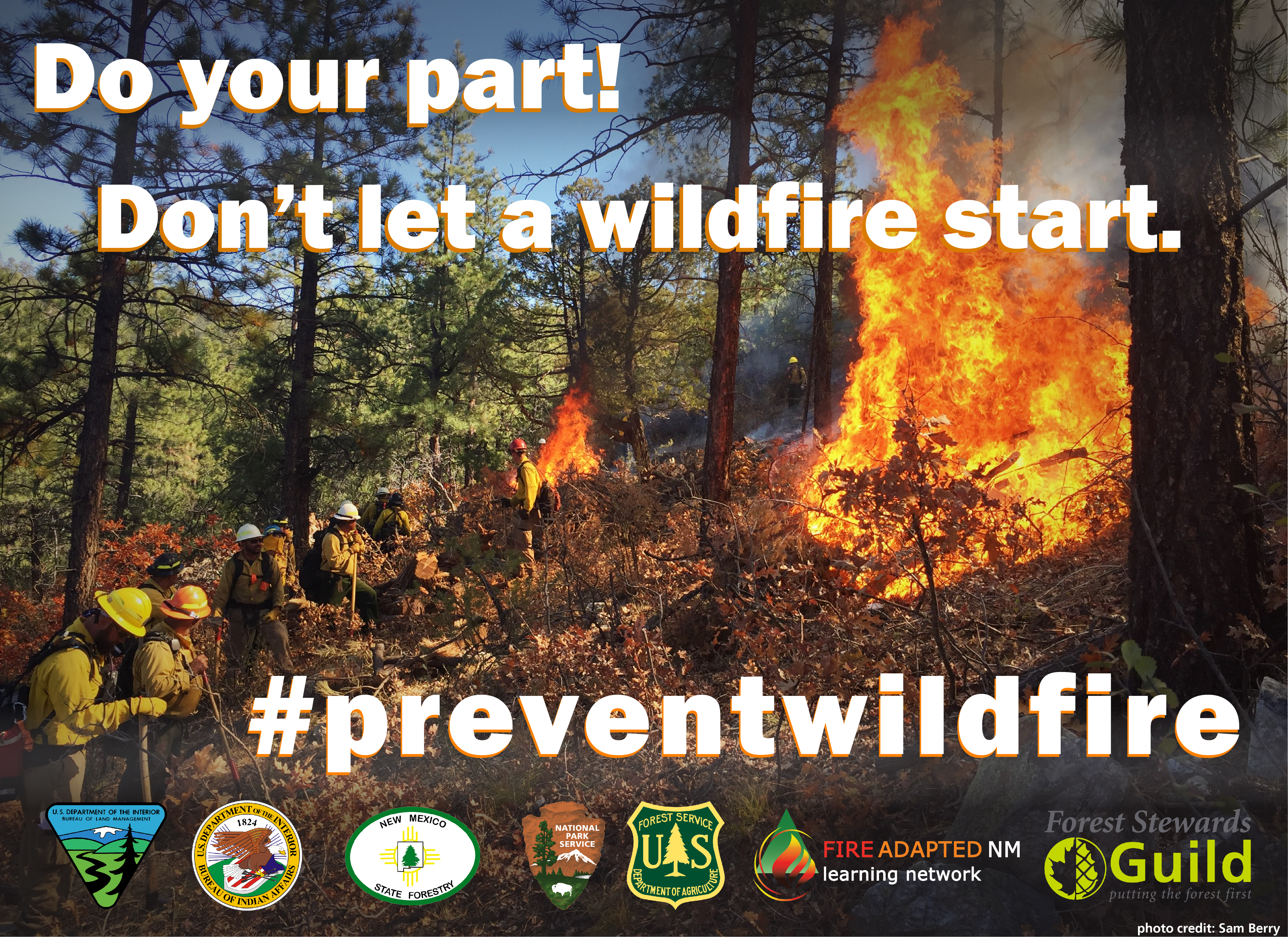
Firefighters Social Card Final-01.jpg

Do Your Part, Don’t Let A Wildfire Start

Click Here to Download this Flyer!

Suggested Caption: Click Share and Help Prevent Wildfire: Firefighters and first responders are needed more than ever to keep America safe . Prevent wildfires by following fire restrictions, postponing debris burning, and using campfire alternatives.  

Suggested Hashtags: #recreateresponsibly #preventwildfire #nmfire #fireadaptednm 

Current fire restrictions in New Mexico

Fire restrictions website picture.jpg

Currently there are 74 different fire restrictions in place issued by the State of New Mexico, Counties, Pueblos and Tribes, and Federal agencies including NPS, USFS, BLM, BIA. These fire restrictions are in place to prevent human started wildfires that threaten firefighters and the public.  

It’s safe to assume that if you choose to recreate outdoors this Memorial Day weekend, campfires will be forbidden where you’re going. In addition, things such as fireworks, smoking outside of designated areas, welding, and driving off road through dry vegetation are prohibited in many circumstances as well.

To check on fire restrictions across New Mexico and in a specific locations please visit: https://firerestrictions.us/nm/

On this site you can click on the map at the top of the page to see the fire restrictions that apply to your area or scroll through all restrictions that have been issued state wide or by jurisdiction.

State of New Mexico - COVID Outdoor Recreation Guidelines

Be Safe, Respectful While Enjoying the Outdoors

#RecreateResponsibly, New Mexico

The State of New Mexico Outdoor Recreation Division has issued some guidance for recreating while minimizing the potential to escalate  impacts.  all know the solace and comfort that spending some time outdoors can provide and it’s possible to get out here and stay safe too.

You can read the full guidance here but check out the ten rules below. The second rule is  about preventing wildfires!

Ten rules for New Mexicans looking to get outside:

  1. The health of others should still be your top priority. Bring a mask whenever you recreate and put in on when approaching other groups. Practice physical distancing.

  2. Forget about campfires. There are statewide fire restrictions in place. Check this site for details on fire bans before you go on a trip.

  3. Avoid crowded trailheads. Have a back-up plan if your favorite spot is too crowded. Remember, the State Parks that are open are operating under limited, day-use only capacity.

  4. Check for closures. Check the land management agencies’ websites before venturing out to recreate. Many of these places are closed right now to protect both recreationists and staff.

  5. Practice Leave No Trace principles. Pack it in, pack it out. Protect your fellow outdoor recreationists. Protect the natural resources.

  6. Be prepared. Many developed recreation sites (including bathrooms) remain closed. Be self-sufficient by bringing in your own snacks, waters, and trash bags.

  7. You can only camp overnight at dispersed, remote campsites. All public and private developed campsites remain closed.

  8. You can book some outdoor guided trips and coaching sessions. You must still adhere to all group-size limits and physical distancing rules. Don’t go out if you are sick. If you are not exhibiting symptoms, wear a mask to protect your guide or coach.

  9. Gear rentals can resume. So long as the equipment is properly and thoroughly sanitized between uses.

  10. Public gatherings, events, and camping in developed sites are still banned.

California Public Utilities Commission (CPUC) holds PG&E accountable for Wildfires

The electrical grid is one of the key sources of human-caused wildfires. A recent court decision holds public utilities accountable for wildfires started by faulty infrastructure.

In California, PG&E  is being required to pay a $1.93 billion penalty for starting wildfires in 2017 and 2018 that included The Camp Fire that burned through Paradise, CA. Hopefully, this decision sends a strong message to public utilities that they are accountable for wildfires created by faulty infrastructure. Still, with the windy and dry conditions in New Mexico this time of year, it is essential that we all play our part and report unsafe conditions to our electric utility providers.

To read the full story, click here.

Webinar Recordings:

Did you miss the FACNM Home Ignition Zone Webinar? View the recording of the Webinar here: https://facnm.org/prepare

Wildfire Wednesdays #7 - Ready, Set, Go! - Wildfire Ready Rap - Film Festival

Hello!

With the sunny days and high winds this spring we’ve seen more and more Red Flag (high fire danger) days and a few wildfires starting across New Mexico. As we barrel along toward summer, it’s important to continue to do everything you can to prepare for wildfire.

Best, Sam


In this Blog we have:

  • The Ready Set Go! Program, an all-inclusive wildfire preparedness program.

  • “Wildfire Ready Rap” by Ready Raccoon, not much more to say about this, it’s awesome!

  • The Wild and Scenic Film Festival with a short film about prescribed fire in the Southern US

  • Upcoming webinars and webinar recordings

Ready, Set, Go!

RSG.jpg

The Ready, Set, Go! program empowers residents living in the wildland urban interface with the knowledge they need to be better prepared for responding to a wildfire in their community. Each step of the program addresses wildfire preparedness at a different stage. The Ready stage is to proactively reduce the risk of wildfire impacts to your home through mitigation techniques like defensible space, keeping gutters clean, and planting fire resistant landscaping around your home. The Set stage is to be prepared to leave your home quickly in the event of an evacuation order. Actions in the Set stage include putting together a “go bag” with important papers, medications etc. The final stage is to GO! and follow the evacuation order when/if it comes. Have an evacuation plan ready, know where you and your family will meet up if you get separated and don’t wait to leave.

Click the links below to learn more:

Santa Fe County - Ready, Set, Go!

National Ready Set Go Program

To learn more about Santa Fe County’s Ready Set Go program and detailed instruction about creating a Go-Bag join us for tomorrows webinar:

Ready Set Go Santa Fe and Go-Bags Webinar

May 14, 2020 10:00 AM in Mountain Time

Click here to register!


“Wildfire Ready Rap” by Ready Raccoon

Wildfire-Ready-Raccoon.jpg

Ready Raccoon is Butte Fire Department’s wildfire preparedness mascot and now he’s got a theme song. Ready Raccoon will be out dancing and grooving to the song below at community gatherings and events in California. He’s designed this song to not only inspire people to dance, but remember that it’s always good to be prepared in case of a wildfire! This song is awesome!

“Wildfire Ready Rap” Webpage

Wild and Scenic Film Festival by the Santa Fe Watershed Association

2020-WSFF-website-banner-2-705x369.jpeg

The Santa Fe Watershed Association is hosting its annual Wild and Scenic Film Festival streaming to your home this year! Of particular interest to our members is the film Into the Black -

Into the Black film description:

Human ignited ‘prescribed burns,’ are an essential technique to mimic natural processes that maintain and restore critical habitats. With extensive efforts to restore large areas of native habitats, partnerships are critical to provide the capacity necessary to implement fire on the scale needed.

Visit the website below for more information.

https://www.santafewatershed.org/wild-and-scenic-film-festival/

Webinars

Did you miss the FACNM Home Ignition Zone Webinar?

View the recording of the Webinar here: https://facnm.org/prepare


Upcoming Webinars:

Ready Set Go Santa Fe and Go-Bags from the Santa Fe Fireshed Coalition

May 14, 2020 10:00 AM in Mountain Time

Click here to register!

In this hour-long webinar Remington Gillum, the wildland Specialist at Santa Fe County will present on the Ready, Set, Go Program, an all-inclusive program to prepare you and your family for wildfire. Ann Church of Villages of Santa Fe will then show you how to construct a Go-Bag, an evacuation bag that contains a supply of items you would need to safely evacuate your home.

Wildfire Wednesday #6 - The Power of Network Approaches - Firewise Planting Guide - Supercomputer Fire Modeling

Hi FACNM Members,

Hopefully, the beautiful spring weather, blooming flowers, and longer days are giving you the boost you might need to get outside and make progress towards your wildfire preparedness goals or to connect with those in your community. With all the uncertainty we may be feeling right now, working outdoors and connecting with our peers (from a distance) can provide much-needed solace.

This week’s Wildfire Wednesday features:

  • A story about the power of our connections during times of struggle and change from the national Fire Adapted Community Learning Network (FAC Net).

  • A Firewise planting guide to help make your landscaping and gardening ready for wildfire.

  • Supercomputing Challenge winners from the New Mexico School of Art build a computer model to predict fire risk.

  • Upcoming Webinars

    • Next Tuesday May 12th -The Home Ignition Zone - What to do to prep your home for fire season!

 From my kitchen table to yours,

Gabe

Can your connections save your event from unexpected catastrophe?

Annie with her parents at a Chelan County Fire District 3 ceremony.

Annie with her parents at a Chelan County Fire District 3 ceremony.

Interested in why we have the word Network in our name? Because connections matter. Connections between people, ideas, challenges, and solutions are critical to foster the learning environment we need to accelerate change. Connections are happening locally in New Mexico and nationally. The Fire Adapted New Mexico Learning Network (FACNM) was initially inspired by the national Fire Adapted Community Learning Network (FAC Net). Take a few minutes to read this interview of Annie Schmidt from FAC Net by Travis Dodson of the Wildfire Lessons Learned Center and find out how your network might save your next field trip!

Have a few extra minutes and want to get the full story, read Annie’s interview of Travis here!

New Mexico Locust in bloom

New Mexico Locust in bloom

Firewise Planting Guide

Spring is here in New Mexico! As you’re thinking about landscaping this year, consider this guide from New Mexico State University: Fire Wise Plant Materials. It is a complete guide to making your landscaping and, thus your home more resistant to wildfire. There are general tips as well as an exhaustive guide of plants that are fire resistant, what elevations you can plan them in and other details.

Supercomputing Challenge Winners Model Fire Risk in the Santa Fe Fireshed

Supercomputing Challenge 30th annual Expo Presentation, a finalist project is one that, after being read by many judges, is deemed worthy to present in the category to be considered for higher honors.

Students from the New Mexico School for the Arts recently won first place in this  year's Supercomputing Challenge by modeling forest fire risks in the Santa Fe Fireshed. Their report, titled “It’s ‘Bout To Get Lit Up In Here: Modeling Forest Fire Risks in Northern New Mexico” details the creation of a computational model that predicts forest fire movement. They then ran the fire spread model using the data from the forests above Santa Fe. Given the current Covid restrictions their finalist presentation was held online, so you can view it here.


Webinars

The Home Ignition Zone - What to do to prep your home for fire season

May 12, 2020 01:00 PM Mountain Time (US and Canada)

Click here to register!

In this 60 minute webinar Sam Berry of the Forest Stewards Guild will show you how to prepare your home for fire season. Research has shown that there are simple and easy actions you can take in the areas closest to your home to drastically lessen the chances of it catching fire in a wildfire. Tune-in to learn about the Home Ignition Zones and find out what you can do!


Wildfire Wednesday #5 - FACNM Leader Profile - Building Fire Resistance - Wildfire Coloring

Welcome to Wildfire Wednesdays #5. We hope you’ve been enjoying all the wonderful spring weather and taking some time to be outdoors. With that beautiful weather, we’ve experienced a few red flag (high fire danger) days in the last week. I hope you are feeling prepared for this year’s fire season, and if not we have some resources to help!

Best, Sam

This week:

  • A profile of a Fire Adapted New Mexico Learning Network (FACNM) leader in the Zuni Mountains area and how his community is working towards fire adaptation.

  • Fact sheets about making your home more fire resistant to wildfire from the Insurance Institute for Business and Home Safety.

  • Wildfire Coloring Sheets from the Smokey Generation

  • Upcoming Home Ignition Zone Webinar

ron_and_Oliver_mitigating (1).JPG

FACNM Leader Profile

Ron Schali, one of our FACNM leaders from Timberlake Ranch in northwestern New Mexico, has been working with FACNM leader Mary Jo Wallen and the Timberlake Fire Mitigation and Forest Health Committee to make incremental progress toward wildfire preparedness. Ron shared three simple and effective pieces of advice for building support in your community:

  • Start with the low-hanging fruit.

  • Find projects that already have support and people on board and use those to build momentum toward areas that may be more challenging.  

  • Show off your completed projects as educational tools to get others interested.  

To read the whole interview with Ron and learn about the Timberlake Community’s approach, please click here.

NFPA Wildfire Resistant Building Fact Sheets

Check out this video to see how the IIBHS conducts its research by simulating a wildfire and learning how houses ignite.

Once you have removed the leaves and needles from the first five feet around your home, where should you start with changes to the building itself? The Insurance Institute for Business and Home Safety has created a great series of fact sheets that address specific aspects such as decks, roofing materials, and vents. These guides offer in-depth information and what can be done to make your home more fire-resistant.

You can find the fact sheets on our website on the Prepare page:

https://facnm.org/prepare

For more information please join our webinar on how to make your home less vulnerable to wildfire!

The Home Ignition Zone - What to do to prep your home for fire season

May 12, 2020 01:00 PM Mountain Time

Click here to register!

Wildland Fire Coloring Sheets from the Smokey Generation

coloring sheet.png

To help out with all the kids (and adults) at home these days, every day for a month the Smokey Generation (an awesome wildfire oral history project) created a coloring sheet that focuses on an aspect of wildland fire from around the world. Each sheet has a small fact about wildland fire and a link to more information. As a bonus, many of the sheets are translated into Spanish, French, Catalan, and German!

http://thesmokeygeneration.com/coloring-sheets


Upcoming Webinars

The Home Ignition Zone - What to do to prep your home for fire season

May 12, 2020 01:00 PM Mountain Time (US and Canada)

Click here to register!

In this 60 minute webinar Sam Berry of the Forest Stewards Guild will show you how to prepare your home for fire season. Research has shown that there are simple and easy actions you can take in the areas closest to your home to drastically lessen the chances of it catching fire in a wildfire. Tune-in to learn about the Home Ignition Zones and find out what you can do!
Wildfire Wednesdays #4 - Meet an FMO - Go-bag Essentials - Interactive Risk Viewer

Hi FAC Members,

By making incremental progress toward adapting our communities and forests to the natural process of wildfire we can make the celebration of Earth Day last year round!

 This week we are excited to share:

  • An interview with a Forest Service Fire Management Officer  about how we can all support first responders during the 2020 fire season.

  • Go-Bag essentials to prepare your family for the event of any evacuation.

  • An interactive wildfire risk viewer to start conversations with your community about the potential effects of wildfire.

Stay safe,

Gabe

Jon Boe – Fire Management Officer, Santa Fe National Forest

Meet one of the many people that go to work every day to manage fire on and around our National Forest lands! In our interview with Jon Boe, we gained a unique perspective about how the 2020 fire season may look differently than in previous years.

Click here to read the entire profile.

You can help keep our first responders safe by following Jon’s recommendations for this year:

To be prepared for wildfire during the 2020 fire season:

  • Be engaged and alert to receive messages about wildfires. The sooner you know about a fire the more prepared you can be.

  • Have a plan for evacuating your family and all your animals.

  • Be cautious with ditch burning and pile burning. When these fires get out of hand, you’re putting firefighters at unnecessary risk.

To help prevent wildfires:

Create a Go-Bag

b_fea_gobag_170901.nbcnews-ux-1080-600.jpg

Previously in this blog we’ve talked about alerts and ways to receive notice of an evacuation but when the notice comes what will you take with you? A Go-Bag is an evacuation bag that contains a three-day supply of items you would need to safely evacuate your home. These bags are prepared in advance, before an emergency, and are kept in an easily accessible place.

When creating your Go-Bag add these essentials:

  • Cash and extra credit cards,

  • Medications and prescription glasses,

  • Water and non-perishable food,

  • Personal toiletries and clothing,

  • Flashlight and batteries,

  • First-Aid kit, and

  • Pet necessities.

Visit this page for details about how to prepare https://facnm.org/evac

Interactive Risk Viewer

WRC-square.jpg

Wildfire Risk to Communities is a new free, easy-to-use website with interactive maps, charts, and resources to help communities understand, explore, and reduce wildfire risk. This website serves as a starting point to help community leaders be able to assess and reduce risk to homes, businesses, and other valued resources. Use this website to start conversations with friends, neighbors, family members, and anyone else in your community about wildfire.

Check it out: https://wildfirerisk.org/

Upcoming Webinars

SWFSC: Fire season review for 2019 and a 2020 outlook

Apr 29, 2020 01:00 PM Mountain Time

Click Here to Register!

The purpose of this webinar is to review 2019 fires and look ahead toward conditions for 2020. Dr. Zander Evans presented an overview of the largest fires in the Southwest during 2019. He will share summaries of forest types and burn severities for each of the fires. In addition, Rich Naden, Fire Weather Meteorologist with the Southwest Coordination Center, will discuss the fire season outlook for 2020 in the Southwest, and Terrance Gallegos and Brent Davidson of the US Forest Service will discuss the impacts of COVID-19 on the upcoming fire season.

Preparing your home for wildfire and addressing the Home Ignition Zone

Mid-May TBD

Stay tuned fore more details

If you have a topic you’d like us to cover in a webinar please let us know!

Wildfire Wednesdays #3 - Meet an Ambassador - Assess the Hazard - Upcoming Webinars - This Old House -

Hello,

We are all in this together and it is more important than ever that encourage those around us (from a distance) to prepare for wildfires. Although things are fluctuating quickly and a lot is unknown, we can be sure that fire season on its way.  
Creative approaches to wildfire preparedness during social distancing are all the rage this year and we’ve got the tools you need to lead the way for your friends and neighbors. With that in mind, please share these resources and feel free to use any part of the newsletter to post or send!

This week in the blog:

  • a profile of Pam Ryan, a community Fireshed Ambassador,

  • Planning tips to prepare your home for wildfire,

  • Upcoming webinars, and

  • “This Old House” episodes where they visit Paradise, California after the Camp fire.

  • Campfire Ban on US Forest Service lands.

From my kitchen table to yours,

Gabe


Pam Ryan - Profile of a Fireshed Ambassador

We’re beginning a series of profiles of people that inspire us in their creativity and determination in their wildfire adaptation work and we hope they inspire you too!

Today we’d like to introduce Pam Ryan, one of our Fireshed ambassadors. The Fireshed Ambassador Program is a sister effort of our FACNM Leader program in the Greater Santa Fe Fireshed area.

pam.jpg

Pam finds being an ambassador rewarding in the simple ways she can open people’s eyes and get them thinking about fire mitigation, from her roadside chats with shears in hand, or during conversations with friends and acquaintances.

“You want to put the welcome mat out for firefighters not the wildfire, and that welcome mat is the 30 foot perimeter. People respond to that idea and it’s rewarding to be able to open their eyes.”   - Pam

Click below to read more of Pam’s story as a Fireshed Ambassador and how she’s prepared her family and neighborhood for wildfire.

Flammable debris under a canale.

Flammable debris under a canale.

Pam’s spring wildfire cleaning tip

“We adapt to changes around our homes pretty quickly. With cleaning for fire season you have to get small and zoom in to notice where there could be problems, it’s easy to overlook these areas but they could be a big deal if an ember ignites them.

debris.jpg

For example, under the canales on my house there are rocks to break up the water hitting the ground. These become a trap for needles and leaves that get wedged in the rocks right next to your house. If you have one tree on your property you’ll find similar places around your house. It’s important to take a walk around your home and take notice of where the remnants of Fall have stuck, such as in corners or where stairs meet a portal.” - Pam    


Home Hazard Assessment

The prospect of preparing your home for fire season can seem overwhelming, since planning for any disaster means imaging the worst. So, to get started the best thing to do is to create a plan and then begin with the easiest tasks, and luckily some of the simplest things can make the biggest difference! Check out these 7 things to get you started. (Click the image to make it larger)

To assist in making a plan we’d like to present the Home Hazard Assessment Guide. With this guide and the accompanying worksheet you can assess the areas of your home that could use improvement and then keep track as you work to improve them. This short guide covers all the areas that you might be concerned about that might cause your home to ignite.

Many organizations such as fire departments offer more in-depth assessments of your house, although these services may be limited this season.

Are you interested in setting up a webinar about how to prepare your home for wildfire for your community? Contact Gabe@forestguild.org for details.


This Old House - Rebuilding Paradise

What better time to catch up on some television than during social distancing. Pop some popcorn and enjoy these episodes of “This Old House” that show the determination of the community of Paradise, CA to rebuild following the 2018 Paradise wildfire.

Seeing how the people of Paradise work together to rebuild their town is an inspiring example of the power of community connections and may boost your spirits during these unprecedented times. Share these episodes with your friends , family, and neighbors as an inspiring example of how communities can work together in the face of challenging times. 

To view all five episodes of “This Old House” click here.


Upcoming Webinars

Join us virtually!

Southwest Fire Science Consortium: Fireseason review for 2019 and 2020 outlook

Apr 29, 2020 01:00 PM Mountain Time

Click Here to Register!

The purpose of this webinar is to review 2019 fires and look ahead toward conditions for 2020. Dr. Zander Evans presented an overview of the largest fires in the Southwest during 2019. He will share summaries of forest types and burn severities for each of the fires. In addition, Rich Naden, Fire Weather Meteorologist with the Southwest Coordination Center, will discuss the fire season outlook for 2020 in the Southwest, and Terrance Gallegos and Brent Davidson of the US Forest Service will discuss the impacts of COVID-19 on the upcoming fire season.


Forest Service Takes Steps to Reduce Human-Caused Wildfire during Global Pandemic

April 15, 2020 – The U.S. Department of Agriculture’s Forest Service, Southwestern Region today enacted a campfire restriction to protect the health and safety of employees and communities during the COVID-19 pandemic. From April 15 through June 30, campfires are prohibited on all five national forests in New Mexico and national grasslands on the Cibola in Oklahoma and Texas. Forest Service officials are taking necessary steps to ensure first responders are available to safely respond to and manage incidents. This campfire restriction will prevent the drawdown of fire and medical resources to human-caused wildfires and reduce firefighter exposure to COVID-19 during the current pandemic. Read more about the bans here and here.

Wildfire Wednesdays #2 - Alerts – Fire Response – Detecting Fires

Hello all,

These trying times have shown us the power of our communities and networks to support one another. Our faith in the strength of networks and personal connections to affect change is the basis behind building the FACNM member and leader program.

With that in mind part of our intent with this blog is to create content that you can share with your community, neighborhood association, or any neighbor, friend, or relative. Please feel free to use any part of the newsletter to post or send. Just remember to add your own personal message, even if it’s a quick sentence or two, it’s the personal touches that help keep us going through this time of social distance!

Best, Sam


Stay informed – sign up for emergency alerts and wildfire notices.

Example of an Alert Santa Fe message.

Example of an Alert Santa Fe message.

Local emergency alerts are a crucial way to stay informed about wildfires and any other emergency notifications. These alerts allow emergency managers to send you timely information such as wildfire evacuation notices by text, landline phone, or email. You must sign up for these services to get the full benefits, so please do so and encourage your friends and neighbors too!

Many counties throughout New Mexico offer an alert system that will send you the latest information. After you register, the information you provide gives critical knowledge to emergency responders such as where the gas shutoff is on your house or medical conditions of family members.

Please contact your county administration, emergency manager, or your local volunteer fire department to ask how to sign up for your local alert system. For example here is the sign-up page for emergency alerts in Cibola County and Bernalillo County. Even if your county does not have a dedicated emergency alert system, there is most likely a reverse 911 system that can send the most urgent alerts.

For wildfire specific information, NM Fire Info is the best way to receive updates across all jurisdictions in New Mexico. This site is regularly updated with wildfire and prescribed fire information and will send email updates or, you can also follow them on Facebook or Twitter.  


Fire response during the Covid-19 Pandemic

Wildland firefighters prep for new guidelines to protect against virus spread – Santa Fe New Mexican - April 4, 2020, by Amanda Martinez

Wildfires and the Pandemic – What’s Ahead – Western Fire Chiefs Association response to the Pandemic.

Meeting the Challenges of Covid 19 –Letter from the director of the Office of Wildland Fire in the Department Of Interior and outlines their response to Corona Virus.  

The 2020 Fire Year: Managing risk in a pandemic – Letter from the Chief of the Forest Service

Forest Service Coronavirus (Covid-19) Updates – Nationwide guidance on Coronavirus impacts on Forest Service lands and operations

How The Coronavirus Could Hurt Our Ability To Fight Wildfires - Google Podcasts-  Interview with Kendra Pierre-Louis, a reporter on the New York Times, many of the concerns raised in this podcast are the ones addressed by the articles above.

We can expect our first responders to do everything they can this year to suppress wildfires, but it’s even more important than normal this year to do what we can to set them up for success. We can assist firefighters by preparing our homes and our families for wildfire and preventing human-caused ignitions.

First responders from every jurisdiction are making plans for how to fight wildfires while keeping firefighters safe this year in light of the Covid-19 pandemic. At the highest level the National Interagency Fire Center has convened three regional Area Command teams to develop plans and direction for fire response, while locally we are already in the beginning of fire season and agencies have made adjustments to their tactics to fight fires.

Listed here are several news articles and resources about how firefighters and agencies are preparing. This is a dynamic issue and we will continue to post relevant articles as they appear.


Descartes Labs Advances Wildfire Detection across New Mexico

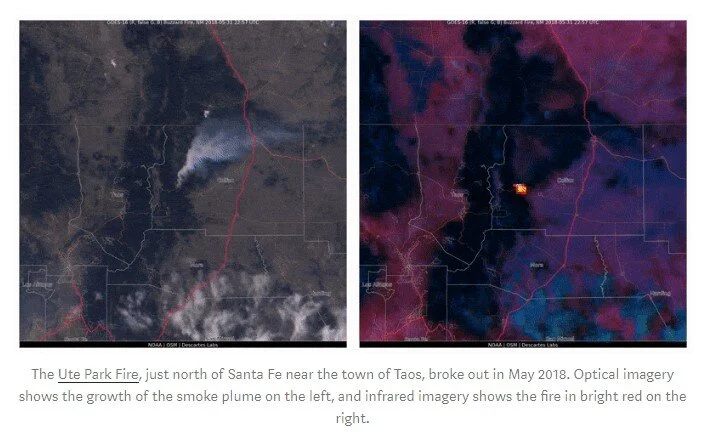
New Mexico’s ability to detect and respond to wildfires across the state will be improved through an innovative tool from Descartes Labs. Descartes Labs has built an automated, early-warning wildfire detector using satellite data that will be put to work in New Mexico during the 2020 wildfire season. The wildfire detector will alert the state’s Energy, Minerals, and Natural Resources Department’s Forestry Division of wildfires in real-time.

At a time when first responders are adapting to a fire season with multiple hazards, this improvement in detection provides a powerful tool to respond to and suppress wildfires before they can spread.

We are excited to have the bright minds from Descartes Labs working toward improving our wildfire resilience across the state and look forward to seeing this new tool in action.

Read more about this breakthrough in New Mexico’s wildfire detection system.

Descartes.jpg

Wildfire Wednesdays #1 – Staying Connected

Hello All,

We are excited to introduce our new weekly blog, Wildfire Wednesdays! We will miss seeing all of you at the events we had planned this spring so we’re trying something new to stay as connected as we can.

Even as the Coronavirus pandemic had made it more difficult to gather in person it has also shown how important it is to have a strong community that supports one another. A focus of ours is building Fire Adapted Communities that engage in the things you’d think of like making defensible space, but they also connect us and prepare us for any emergency. This happens by making neighborhood phone trees, signing up for emergency alerts, or simply reaching out to your neighbor and checking that they are adequately prepared for the uncertainty we are currently facing and of that of the upcoming fire season.

So, starting today we will be posting weekly blog posts on Wednesdays including things to do from home to prepare for fire, activities to pass the time, emergency preparedness tips, webinars about the upcoming fire season, and more. Please feel free to reach out to us if we can assist with anything and send resources or ideas you think others would benefit from or enjoy for the newsletter!

Best, Sam  

Gabe Kohler of the Forest Stewards Guild

Gabe Kohler of the Forest Stewards Guild

P.S. To pull the curtain away some, the Forest Stewards Guild, a non-profit in Santa Fe, runs the communications for two networks here in New Mexico, The Greater Santa Fe Fireshed Coalition, and Fire Adapted New Mexico Learning Network. For this newsletter series we will be combining forces of these networks. Myself (Sam, sam@forestguild.org ) and my colleague Gabe Kohler (gabe@forestguild.org) are very excited about this series. Please feel free to reach out to us.

Sam Berry installing interpretive signs.

Sam Berry installing interpretive signs.


Staying Connected

The bright light in the challenges that lie ahead is that there are specific steps that we all can take to make our communities more resilient to wildfire, and most of us have the time at home right now.

Through creative and socially-responsible approaches we can share information with our friends and neighbors about the importance of wildfire preparedness and empower them to take action amidst a global pandemic.

We have compiled a list of resources to encourage and empower you to reach out to those in your community. The good news is that all actions that build community will help build your capacity to respond to or recover from wildfire or any other crisis, bonus points if you accomplish some wildfire mitigation too!

Here are some fun and effective ways for you to strengthen your community while social distancing:

1.       Host a virtual happy hour or coffee meetup for you and your neighbors and schedule one or two special guests that can provide expert opinions on wildfire related topics.

Create a relaxed atmosphere by taking turns with introductions, enjoying a nice beverage, and allowing people to get comfortable with the platform. Here are some suggestions on holding a virtual conversation. Virtual meeting platforms like Zoom or freeconferencecall.com are good options for this type of event.

2.       Set up a neighborhood text tree that lets you send an email via text.

Once your list is created you can rapidly share detailed emergency information in your neighborhood.

3.       Set up a group chat or Facebook group with your neighbors.

Encourage them to post pictures of the Wildfire preparedness work they are doing around their houses. Share these photos on the Fire Adapted New Mexico Learning Network Facebook page to help encourage action through our statewide audience.

4.       If you have other ideas or things you’re already doing to stay connected in you communities please let us know!

Adapting to Covid-19: Staying Active in a Time of Uncertainty

IMG_0181.jpg

Hello FACNM Members,

We are all dealing with tough and uncertain times with the rapid changes due to Covid-19, and the networks that we’ve built are more important than ever. The Fire Adapted Communities New Mexico network makes us more resilient during emergencies and will help us navigate this situation.

Community Wildfire Preparedness Day Plans

Many of you had plans for community wildfire preparedness day that have most likely been postponed or altered, so we want to share this list of ideas for wildfire preparedness day with social distancing in mind. With the speed of change, some of the ideas on here that would have been appropriate a week ago may not fit the State of New Mexico’s current orders. Given that uncertainty, please use your best judgment and feel free to reach out if you want to talk with a Fire Adapted Communities coordinator. We can help with ideas and some video conferencing technology. You can reach us at gabe@forestguild.org or sam@forestguild.org.

Wildfire Season and Covid-19

This year wildfire response will be impacted since our first line response agencies will be strained and we need to take new precautions to protect our firefighters from Covid-19. Especially in our local communities, the first line of response will be less robust than it’s been in previous years. This puts even more emphasis than usual on doing what we can safely do to prepare ourselves and our homes for wildfire.

We will be coming up with materials and programs like webinars and videos to help, but in general, the important ideas are that same as always. Take advantage of extra time at home to add wildfire mitigation and household evacuation readiness to your spring cleaning tasks. Here are some ideas:

- Sign up to receive local emergency alerts.

- Set up a neighborhood text tree that lets you send an email via text. This allows for rapid and detailed sharing of emergency information in your neighborhood.

- Prepare your home as much as you can for wildfire. Visit the link for ideas, there is a lot we can do from home with no supplies like raking or moving wood plies.

- Prepare an evacuation kit or go bag.

Do what you can, with what you have, where you are. - Theodore Roosevelt

Best, Sam


FACNM response to Coronavirus

c0481846-wuhan_novel_coronavirus_illustration-spl.jpg

As the coronavirus (COVID-19) situation continues to evolve daily, the Fire Adapted Communities New Mexico Learning Network (FAC NM) is keeping a close eye on the unfolding events. As with preparing our communities for wildfire, all members of the network share an equal concern for stewardship of public health.   

The FACNM network and our partners are seeking opportunities to carry on our work while limiting chances for the spread of the virus. For the time being, we are postponing any events or gatherings planned through mid-May and possibly further. There are many opportunities to engage with the network remotely, such as our member webinars, website forums, and increased online content. FACNM is also able to help provide web conference call and webinar support if you need it to carry on an event you postponed or would like to plan a new event. Please email gabe@forestguild.org if you need help scheduling a virtual meeting for your community. 

 As we have a better understanding of this pandemic and its ramifications in our community, we will be in touch about our modified plans and measures to support wildfire preparedness.  In the meantime, please take all adequate precautions to protect yourself, loved ones, and the community as this event unfolds.   

________________________________________ 

Incorporating bird needs into piñon-juniper woodland management - Webinar March 10th

The New Mexico Avian Conservation Partners (NMACP) is putting on a webinar about incorporating the needs of birds that use Pinion-Juniper as habitat.

Below is the Announcement from the NMACP:

The webinar will discuss actions that may help minimize negative impacts on numerous woodland bird species, including the following high priority species: Pinyon Jay, Juniper Titmouse, Gray Vireo, Woodhouse’s Scrub-Jay, Virginia’s Warbler, Black-throated Gray Warbler, and Black-chinned Sparrow. 

Webinar Information:

Time: Mar 10, 2020 02:00-4:00 PM Mountain Time (US and Canada); the webinar will likely not take the entire two hours

 Join Zoom Meeting https://audubon.zoom.us/j/229863483  (more information at the bottom of this email.)

Recent litigation has prompted us to reach out regarding ways to incorporate bird conservation needs into forest and woodland management.  Most of you are likely aware of the injunction that has ceased timber activities in New Mexico’s national forests; the injunction cites an alleged lack of monitoring to determine timber activity impacts to Mexican Spotted Owl populations.  Many of you may not be aware, however, of litigation against the Utah BLM regarding some of their piñon-juniper removal practices; the plaintiffs cite impacts on the rapidly declining Pinyon Jay as one reason for their appeal.  More information may be found here: https://www.grandcanyontrust.org/blog/grand-staircase-escalante-national-monument-forests

The New Mexico Avian Conservation Partners (NMACP) steering committee believes we can prevent additional litigation in the future by working together to incorporate bird conservation needs into woodland and forest management.  To help achieve this, the NMACP steering committee plans to provide the following resources over the next few months:

·         Updated species accounts for high priority forest and woodland birds including: Pinyon Jay, Juniper Titmouse, Grace’s Warbler, Virginia’s Warbler, and more; for each species, these accounts will outline the best available science, as well as NMACP steering committee habitat management recommendations; for a list of all bird species of conservation concern in New Mexico, please visit:   http://avianconservationpartners-nm.org/species-assessment-scores/

  • Webinar regarding management of bird species of conservation concern in piñon-juniper woodlands, ponderosa pine forests, and mixed-conifer forests

  • Examples of projects that successfully balanced bird conservation with other goals

  • Information regarding how to monitor for bird species of conservation concern

Please help us spread the word by forwarding this email to anyone you think may be interested.  All of the above resources will be provided through this listserv, so please also encourage colleagues to sign up by doing the following: send an email message to listserv@listserv.uark.edu; then, in the subject line and the body of the message, write: Subscribe NEWMEXALLBIRDGROUP-L firstname lastname

Topic: NMACP Webinar

Time: Mar 10, 2020 02:00-4:00 PM Mountain Time (US and Canada); the webinar will likely not take the entire two hours

 Join Zoom Meeting

https://audubon.zoom.us/j/229863483 

 Meeting ID: 229 863 483

One tap mobile

+16699006833,,229863483# US (San Jose)

+16468769923,,229863483# US (New York)

 Dial by your location

        +1 669 900 6833 US (San Jose)

        +1 646 876 9923 US (New York)

Meeting ID: 229 863 483

HEPA Air Cleaner Loan Program - Supporting communities and new partnership with Winix

Smoke rises from the Pacheco Canyon prescribed fire near Santa Fe where we have one of our HEPA Filter loan programs.

Smoke rises from the Pacheco Canyon prescribed fire near Santa Fe where we have one of our HEPA Filter loan programs.

FACNM’s HEPA Air Cleaner loan program has been actively supporting individuals as we strive to create communities that are adapted to wildfire and the accompanying smoke. Visit the program page here.

FACNet Blog Post - review and look ahead.

Last month a blog post that looks back at the program and it’s successes and plans for the future came out on the Fire Adapted Communities Learning Network blog to share our program with partners across the country.

There were many key takeaways including how the program impacts communities and the power of the program to facilitate communication: “Every time we answer the phone to loan out a filter, we have an opportunity to talk about how we plan and implement prescribed fire and the ecological benefits of fire on the landscape.” 

Partnership with Winix America

We very excited to announce our partnership with Winix America! We currently have nearly 30 Winnix 5300-2 model air cleaners in service and available for loan. Winix has supported the FACNM program and we look forward to working with them in the future to support communities across New Mexico. Read more about our partnership by clicking below.

Expanding the program!

In 2020 we’re seeking out opportunities to expand the program to cover more people across New Mexico and offer protection from smoke to those who need it. We are very excited about the continued success of this program. Thanks to all that have made it possible, including Winix, New Mexico State University Extension, and the Fire Adapted Communities Learning Network!

Please contact Sam Berry at sam@forestguild.org if you’d like to know more.


New report assesses CWPPs in AZ

_MG_5325.jpg

Defensible space in progress

Researchers from the Ecological Restoration Institute at Northern Arizona University (NAU) recently completed a report to “assist the Arizona Department of Forestry and Fire Management (DFFM) in providing direction to communities-at-risk from wildfire in Arizona and communities throughout the west in developing and implementing effective Community Wildfire Protection Plans (CWPP) in order to improve wildfire preparedness.” The report shares a number of lessons learned and recommendations that are useful for anyone working on an update or new CWPP. Read the report here.

“The lessons learned and recommendations from this assessment may help to shift new CWPPs and future plan updates toward more focused and strategic implementation that is appropriate to the unique local context in which is occurs.”

Wondering if your community is covered by a CWPP? New Mexico State Forestry maintains a database of CWPPs from around the state, which can be accessed here.

Bringing it all together on Wind Mountain Prescribed Fire

Written by Matt Piccarello, Southwest Director, The Forest Stewards Guild

New Mexico State Land Office Forester Mark Meyers (rear in blue hard hat) walking into of the burn unit with FSYC

New Mexico State Land Office Forester Mark Meyers (rear in blue hard hat) walking into of the burn unit with FSYC

Work at the Guild long enough and you stop seeing any one project in isolation. You can’t help but see every relationship and every treated acre as the sum of years of stacked effort and accomplishments. While this phenomenon is not unique to any one Guild project, it was particularly apparent to me on the Wind Mountain prescribed fire in October where years of work culminated in getting fire on the ground and the entire Forest Stewards Youth Corps (FSYC) Fall Fire & Fuels program on the fire line.

Since 2011, six different funding streams have been used to accomplish mechanical thinning and aspen fencing on Wind Mountain, which includes private, New Mexico State Trust, and Bureau of Land Management land. Seven different contractors, agencies, and organizations conducted thinning and fencing work that prepped the areas we burned in 2019. In the middle of all that was a managed wildfire that burned into previously treated acres, now with reduced fuel loads. In 2016, the Guild was awarded a three-year CFRP grant Implementation at Cerro del Aire: Preparing the multi-jurisdictional landscape for fire, which proved to be the “glue” needed to finish prepping a significant enough portion of the mountain to return fire at a landscape scale.

FSYC crews from Espanola and Mountainair conduct an after action review at the day’s end.

FSYC crews from Espanola and Mountainair conduct an after action review at the day’s end.

Getting the FSYC program on the burn in the final year of the CFRP grant was not originally intended. FSYC crews typically work on Forest Service managed lands on the Ranger Districts where they are based. When a court ordered injunction halted all “timber management activities” on New Mexico’s National Forests, including prescribed fire, Guild staff scrambled to find opportunities for FSYC crews to participate in controlled burns. The injunction, for the Guild and FSYC, turned out to be an example of turning lemons into lemonade. Thanks to a good relationship with the state YCC program, built on over 20 years of successful projects, we were able to adjust our work plan and get the required signatures from land managers to include NM State Trust and BLM managed lands.

For the Guild’s Sam Berry, it was a rewarding experience to see FSYC crew members put all their training into practice. “The Wind Mountain prescribed burn was especially fulfilling for me because I saw the immediate results of all of the training and work the crews had done. In August Dave (Guild Director of Fire Management) and I led the firefighter training for 16 people who hadn’t met each other before and had varying levels of experience and knowledge about fire. By the end of the burn in October we had a highly operational crew that worked well together and were a huge asset to the burn.” Professionalism, working well as a team, following instructions, and exhibiting leadership are all skills that are best learned in practice. Yet despite this being the first time on the fireline for most FSYC crew members, they exhibited all the qualities of seasoned fire fighters.

FSYC3-768x575.jpg

When the Fall FSYC program was started in 2018, one of the primary goals was adding capacity to accomplish prescribed fires during a time when firefighters in New Mexico are either laid off for the season or fighting wildfires in the northwest. This goal was realized at Wind Mountain as most of the firefighters on the fireline were FSYC crew members. Gaining the trust of our federal partners that FSYC crews are a fire crew like any other and can help them accomplish their prescribed fire targets has taken time. Thankfully, we have seen a distinct shift from 2018 to 2019 as word has spread that the Guild has 16 fire fighters ready to be mobilized to help with controlled burning and FSYC crews saw more time on the fireline this year than last. That outcome too, is a result of stacked accomplishments. Without the experience of spending a week burning on Wind Mountain, FSYC crews may not have been as effective – or as welcome – on prescribed burns later in the season. But they earned a reputation for being a professional, safe, and effective resource. Many crew members were approached at the end of the Wind Mountain burn by BLM staff encouraging them to apply for positions next season. The Wind Mountain CFRP grant may have ended in 2019 but like the accomplishments that lead to the prescribed fire being a success, the experience for FSYC crew members will continue to pay dividends as they build their careers.

Increasing Wildfire Awareness and Reducing Human Caused Ignitions: Fire Prevention through FACNM

Large, high severity fires are becoming more common, and the warming, drying climate is making conditions ideal for these devastating fires. Human caused wildfires are a big part of the wildfire threat, that research shows we can reduce with targeted fire prevention efforts.

IMG_6020 (1).JPG

Reducing human-caused ignitions is critical to creating communities that are adapted to wildfire. People start wildfires with their vehicles, cigarette butts, campfires, fireworks, debris burning, powerlines, arson, and other activities. Since there are many ways humans start wildfires and prevention takes numerous forms, reducing human wildfire ignitions is a complex problem that spans geographical and jurisdictional boundaries. The Fire Adapted Communities Network, including FACNM, empowers individuals to work across jurisdictional and geographical boundaries, providing a path forward for spreading awareness of wildfire risk and reducing human-caused ignitions at a landscape-scale.

Some recent publications on increasing wildfire awareness and reducing human-caused ignitions may be helpful in highlighting this aspect of FACNM. These reports attempt to amplify the need for greater investment in fire prevention awareness at the national level while identifying opportunities for partnership to support fire prevention at the local level.

Fire Prevention Awareness in 2018

The 2018 report, “Increasing Wildfire Awareness and Reducing Human-Caused Ignitions in Northern New Mexico.”

The 2018 report, “Increasing Wildfire Awareness and Reducing Human-Caused Ignitions in Northern New Mexico.”

The Guild’s 2018 report, titled “Increasing Wildfire Awareness and Reducing Human Caused Ignitions in Northern New Mexico” was designed to help support wildfire prevention by identifying how people start wildfires, common locations of human-caused wildfires, existing public awareness campaigns, and current investments in public awareness of wildfire.

Key Findings of the 2018 report included:

The 2018 Fire Prevention poster that was adopted by The Santa Fe National Forest and demonstrated effectiveness at reducing abandoned campfires.

The 2018 Fire Prevention poster that was adopted by The Santa Fe National Forest and demonstrated effectiveness at reducing abandoned campfires.

  • In New Mexico. human-caused wildfire accounted for half of the acres burned by wildfire since 2001.

  • Abandoned campfires account for 44% of the human-caused wildfires since 2001 and 37 percent of the acres burned by these fires.

  • Electrical power lines are a significant cause of wildfires.

  • More knowledge about the spatial patterns of human ignitions presents the opportunity for targeted outreach and education, which is a cost-effective way to reduce wildfire impacts.

    • In New Mexico 80 percent of wildfires started by campfires are within a quarter mile of a mile.

    • Hotspot modeling to identify areas of high arson potential can help law enforcement reduce wildfire threats.

  • Currently, federal agency budgets for prevention programs do not reflect their importance.

    • The National Prevention Program only has an annual budget of $95,000 and one full-time staff person for the whole country to help coordinate awareness efforts.

    • Research has shown that wildfire damages can be as much as 35 times greater than the cost of prevention education.

  • Public awareness campaigns, such as Smokey Bear and more recent One Less Spark, seek to change behaviors , but there is little information about their effectiveness.

    • The most recent investigation into the effectiveness of wildfire prevention signs was more than 40 years ago.

The 2018 report inspired a wildfire prevention poster designed to reduce human-caused ignitions by providing techniques for adequately putting out a campfire (See above). The prevention poster was adopted by the Santa Fe National Forest. Prevention officers reported that it was effective at reducing the number of abandoned campfires over peak holiday weekends like Memorial Day and The Fourth of July.

Fire Prevention Awareness in 2020

In 2020, the Guild began a follow-up report that explores federal investment in fire prevention awareness at the ranger district and forest levels. This report aims to better understand the US Forest Service’s (USFS) contribution to public awareness of wildfire risk by documenting investment in prevention programs across eight ranger districts on the Santa Fe and Coconino National Forests. Since there is no budget or line item to document this investment, data was collected through phone interviews with Fire Prevention Technicians and Fire Management Officers.

Some preliminary findings of the 2020 report include:

  • Compared to our spending on fire suppression, we are not investing enough as a nation in prevention given how effective it can be in reducing wildfires.

  • The amount of investment in fire prevention programs varies between ranger districts depending on local social and ecological conditions and between years depending on forecasted moisture availability and weather conditions during late spring, summer, and early fall.

  • Increased clarity about the USFS investments in prevention would help identify what is working and where increased resources are necessary.

  • Greater information sharing and transparency about the challenges that fire prevention programs face with human-caused ignitions will encourage cross-boundary solutions and shared stewardship of increasing awareness of wildfire risk.

  • There is a high level of cross-over between fire suppression resources and investment and fire prevention resources and investment making it difficult to account for staff time spent on fire prevention work.

  • Most of the ranger districts we interviewed lacked capacity to accomplish both suppression and prevention tasks at least some points during fire season.

  • Creating and sharing actionable prevention plans based on priority areas is a sensible starting point for advancing wildfire prevention.

These reports attempts to identify the current conditions of the USFS’s contribution to public awareness of wildfire risk by exploring fire prevention efforts at the national level and within local ranger districts. We hope to amplify the importance of this investment to national legislation through the collective voice of FACNM and the national Fire Adapted Communities Learning Network while finding creative solutions through partnerships and collaboration at local levels.

If you are interested in contributing to the 2020 report on fire prevention awareness, or would like to learn more, please contact gabe@forestguild.org. This work can only benefit through the input of many perspectives and we encourage this feedback through FACNM.

This work is made possible through a partnership between The Forest Stewards Guild and The Forest Trust.

Wildfire Risk Reduction Grants available through New Mexico Counties!

New Mexico Counties is pleased to announce the 2020-2021 Wildfire Risk Reduction for Rural Communities Grant Program. Funding for this program is provided by the National Fire Plan through the Department of the Interior/Bureau of Land Management for communities in the wildland urban interface that may be impacted by fire initiating from or spreading to BLM public land in New Mexico. 

The three funding categories are 1) outreach and education projects that encourage reducing wildfire risk on private lands and can show a direct benefit to BLM lands (awards up to $10k/project); 2) CWPP updates for plans that are older than five years (awards up to $15k/project); and 3) hazardous fuel reduction projects focusing on treatment to private lands with direct benefit to BLM lands (awards up to $50k/project). Hazardous fuel reduction projects must be developed with and approved by your local BLM fire or fuel staff, so make sure to reach out to these people early in the application process. Applications are due by 5:00 pm on Tuesday, March 31, 2020.

Feel free to reach out to us if you’d like support developing proposal ideas.

Applications:

·        Fuel reduction treatment application

·        Outreach and education project application

·        CWPP application

NM-Counties-logo.png


$500 Mini Grants to support Community Wildfire Preparedness Day events!

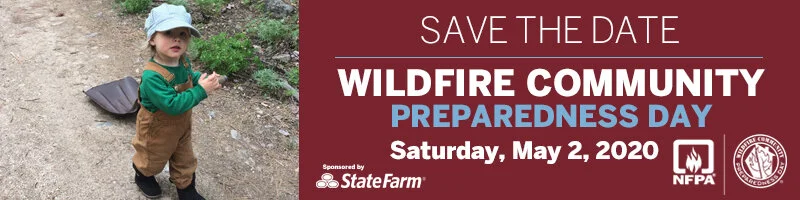
Wildfire Community Preparedness Day is an annual campaign that encourages people to come together on a single day to take action to reduce their wildfire risk. On May 2nd this year communities and organizations across the county will engage in a huge variety of activities including community chipper days, potlucks and discussions about reducing fire risk, planning phone trees and wildfire notification systems for your community, building go kits, etc.

2020PrepDayBannerSaveDate.jpg

To support Wildfire Preparedness Day NFPA and State Farm are offering $500 grants to fund any sort of wildfire risk reduction or preparedness activities.

Check this link below for information about applying. On the NFPA website, there are tips about how to apply and examples of past projects that have succeeded.

Applications are due on February 29th.

Wildfire Community Preparedness Day and grant application page at NFPA .

Scroll partway down the page to find the application. The official rules for the grant contest can be found here.

Also, check out our FACNM leader page for more information on planning community wildfire action for your community:

https://facnm.org/leaders

Here are two resources with ideas for community events:

Wildfire Preparedness Community Action Ideas

50 ideas for action to get you started

Wildfire Network Competes Nationally and Secures Funding for a New Cost-Share Program

Congratulations to the Wildfire Network for the 2020 Round 3 grant award from the Coalitions and Collaboratives, Inc's (COCO) Action, Implementation and Mitigation (AIM) program! Wildfire Network will be implementing a new cost-share program that provides job training and workforce development through fire mitigation and forest health projects on private land. This program is as a great example of how wildfire risk reduction can empower New Mexico communities. The Wildfire Network has been working toward firefighter safety, job development, and youth mentorship since 2013 and was a key partner in founding Fire Adapted Communities New Mexico.

Krys Nystrom, executive director of Wildfire Network, shares her vision:

Wildfire Network’s Youth Crew provides job training and real-world experience to New Mexico youth.

Wildfire Network’s Youth Crew provides job training and real-world experience to New Mexico youth.

Wildfire Network’s crew chipping woody byproduct from a fuel-reduction thinning.

Wildfire Network’s crew chipping woody byproduct from a fuel-reduction thinning.

Fuelwood from the project will be utilized by property owners, taken by local firewood collectors, or distributed to families in need.

Fuelwood from the project will be utilized by property owners, taken by local firewood collectors, or distributed to families in need.

We will provide a cost-share program to residents within the East Mountain CWPP area, focusing on Sandia Park, Cedar Crest, and Tijeras. This program builds on the success of our existing wildfire and forest health mitigation program. In the past this work has been funded by a 2018 New Mexico Association of Counties grant and a 2019 AIFC Ready, Set, Go! grant. Costs for the mitigation will be split between the grant funds and each landowner.

This work will provide meaningful employment opportunities to New Mexico youth. Work will be performed by Wildfire Network's youth crew— a crew of four to five 18-26 year olds who are gaining real-world training in saw safety, maintenance and operation, ecological monitoring, and forest health.

In addition to employment opportunities, this project will provide a valuable source of fuelwood and wood products to surrounding communities. Slash from this project will be chipped and brought to a locally owned pig farm, where it will be composted into a rich soil amendment. Fuelwood will be utilized by the property owner, taken by local firewood vendors to be processed into saleable firewood, or distributed to local families in need.

This project combines fire mitigation principles like structural protection and strategic fuel breaks with social objectives like job training and fuelwood production. We have experience with previous grants in this CWPP area and have enabled over 70 acres of private land to be thinned, including 15 acres within the Sandia Park Scenic Byway firewise area. We are very appreciative of Coalitions and Collaboratives for funding this work and are in the process of gearing up for implementation.

To read about more of Wildfire Network’s great work throughout the state, visit their website: CLICK HERE.

Action, Implementation, and Mitigation Grant Opportunity!

Coalitions and Collaboratives works to foster on-the-ground conservation efforts that protect and restore natural resources and local communities by supporting collaborative conservation organizations, who produce collective impacts through stakehol…

Coalitions and Collaboratives works to foster on-the-ground conservation efforts that protect and restore natural resources and local communities by supporting collaborative conservation organizations, who produce collective impacts through stakeholder driven efforts.

Coalitions and Collaboratives, Inc. (COCO) is pleased to announce the opening of Round 4 of the Action, Implementation and Mitigation (AIM) grant opportunity. This opportunity is designed to help organizations increase their capacity to accelerate fire adapted community concepts and reduce the risk from wildfire in the wildland-urban (WUI) interface across the U.S. The opportunity is open to non-profit organizations, collaborative groups, fire departments, conservation districts, tribes, counties and cities. Due to limited funding, homeowner or property owner associations, metro districts and road districts are not eligible to apply.

The AIM Team has changed the process in this round of funding to allow for a more interactive proposal process and to assure that the final proposals are well aligned with the program intent. For this round, we are requesting that interested organizations submit a Pre-Application Proposal (attached to this email). The Pre-Application Proposal is also available on the COCO website under ‘How to Apply’. The purpose of this proposal is for the AIM Team to learn about your capacity needs, mitigation project or program and provide feedback prior to selecting final applicants for full proposal submission. This process will allow the Team to work closely with the finalists to develop competitive proposals that align with the goals of the funding. Most responses should translate directly to the final application. Pre-Application Proposal Deadline: Friday, February 14, 2020, 5:00 p.m. MST. Email completed Pre-Proposal Applications to: aim@co-co.org

COCO is hosting an informational webinar on Thursday, January 9 @ 10:00AM MST. Please register for the webinar through this link: https://attendee.gotowebinar.com/register/2242706156644482571

If you are unable to attend the webinar, it will be recorded and available on COCO’s website https://co-co.org/get-involved/grants/aim-grant/

If have questions about the Pre-Proposal Application process please do not hesitate to contact Ali Lerch at ali@cusp.ws or Pam Wilson at paminhesp@gmail.com.

Working together for resilience – the story of the Francisquito and Rincon Fires of 2019

As the year ends we’d like to share a story from 2019 about the connection between building fire-adapted communities and restoring fire-adapted forests. We hope to hear more stories like this one from you about fire adaption in action in 2020. If you’d like to share your story contact us at gabe@forestguild.org.

Happy New Year from Fire Adapted New Mexico!

By Collin Haffey, Angie Krall, Jeremy Marshall, and Eytan Krasilovsky

Effects after the Francisquito Fire. photo by Jeremy Marshall

Effects after the Francisquito Fire. photo by Jeremy Marshall

July 2019 saw two lightning started wildfires safely play their ecological role in the Tusas Mountains north of El Rito, New Mexico. These public lands managed by the Carson National Forest (Carson NF) are important to many communities in the area for grazing, firewood, hunting, fishing, recreation, and other needs. Having the right type of fire, in the right place and time is not an easy feat and isn’t happening as frequently as is needed to overcome the fire deficit in New Mexico and the West. This 2,021 acres of “good fire” on the El Rito District are the result of long-term planning and coordination among multiple groups.

New Mexico’s fire adapted dry forests need frequent low intensity fire to survive and thrive. Without it they become unnaturally dense and prone to high intensity fire, insects, and drought. Fire is also the building block for biodiversity by releasing seeds in the soil to establish the plants that are the foundation for pollinators, insects, and birds.

Smoke rises from the Alamosa Prescribed fire that was collaboratively implemented. photo by Sam Berry

Smoke rises from the Alamosa Prescribed fire that was collaboratively implemented. photo by Sam Berry

The Francisquito and Rincon Fires were successful due to several factors that date back years. The Carson National Forest’s strategic planning for selective thinning and prescribed fire set the stage for a landscape with active ecologically based management. These projects were collaboratively managed including the Alamosa Prescribed Fire, the most recent prescribed burn. For that burn, the Carson National Forest worked with the recently formed All Hands All Lands Burn Team to provide roughly 50% of the fire resources. The Burn Team is a project of the Forest Stewards Guild and The Rio Grande Water Fund that leads burns when needed and supports existing burns with qualified firefighters and resources. The Alamosa Prescribed fire, completed in the fall of 2018, provided a “catcher’s mitt” on the east side of the Francisquito and Rincon fires that helped make the case for a safe and effective managed wildfire with a buffer to the east (See Map).

Map of the Francisquito and Rincon Fires from early in the fire’s development. The red area is the planning area for the managed wildfires and the green is the area the Forest Service was focused on returning fire to. The yellow and orange areas are…

Map of the Francisquito and Rincon Fires from early in the fire’s development. The red area is the planning area for the managed wildfires and the green is the area the Forest Service was focused on returning fire to. The yellow and orange areas are previous prescribed fires. The red hashmakred areas are where thinning has been accomplished. Prescribed fires and thinning border the fire on nearly 2/3 thirds of it’s perimeter.

The Carson NF also took a community-based approach to communication about the fire events. Prior to the Alamosa Prescribed burn last fall, the village of Vallecitos had some negative experience with a managed wildfire that occurred in 2017. The Bonita Fire near Cañon Plaza did result in some minimal high severity effects. Unfortunately, sediment run-off from the burn scar during the monsoon season effected the village drinking water system which led to some distrust in managed fires. To bridge the gap, Carson NF staff initiated community meetings in the Village of Vallecitos; one around the kitchen table with coffee and banana bread with the most concerned of the neighbors, and one later in the form of a more formal presentation at the community center. Staff made an extra effort to engage community members to learn more about fire ecology and share the critical understanding that good fires prevent the bad ones. In this case, on the public lands in their backyards. Local stakeholders were invited to the morning briefings of the Alamosa Prescribed Burn. This was a great opportunity for community members to see the organization, preparedness, safety and medivac plan, along with tactics being used to safely implement the burn along their backyards and watershed. The extra effort paid off with buy-in from the community for the prescribed burn operations and stronger understanding and relationships that will serve us all in the future.

Just prior to the Alamosa prescribed fire, the Burn Team brought a small cache of HEPA air purifiers to loan out to smoke sensitive individuals. These devices filter out the smoke particulates that are unhealthy and can put stress on those with respiratory conditions. During the first day of the burn, community members alerted the individuals monitoring fire effects, who were in Vallecitos documenting the smoke, which they knew of some smoke sensitive individuals. The Burn Team worked with leadership from the El Rito Ranger District to deliver the filters to the households who requested them. In 2019 the Forest Stewards Guild expanded the filter loan program for the Fire Adapted Communities New Mexico Learning Network (facnm.org), and it was natural for a cache of HEPA filter to be permanently located at the El Rito Ranger Station.

Before any proposed managed fire, the Forest Agency Administrators (District Rangers/Line officers) reach out to internal staff about possible values at risk in proposed focal areas (archaeology/wildlife), to permittees with cattle in the area, New Mexico State Forestry about nearby private land concerns, effected counties and New Mexico Game and Fish. Congressional staffers are also notified. It is critical for the decision makers to understand and balance the risk to fire fighter safety and impacts to resources with the intended benefit.

Morning Briefing at the Incident Command Post in El Rito. photo by Jeremy Marshall

Morning Briefing at the Incident Command Post in El Rito. photo by Jeremy Marshall

For the Francisquito/Rincon, the Type III Team organized a community meeting in El Rito, NM at the senior center and enlisted a team of public information officers to spread the word about our intentions for the managed wildfire. Permittees gave an enthusiastic thumbs up as they are fully aware of the benefits to their interests of increased forage opportunities for their livestock. The El Rito Campus of Northern New Mexico College proved a perfect location for Incident Command Post (ICP) for the Francisquito/Rincon managed fires; providing welcome “rent” income to the college during the summer months. The fire also employed a local range permittee who is a certified dozer operator that created line and improved roads for safe and effective firefighter operations.  When the managers of the Francisquito and Rincon Fires reached out to the communities early in the fires, the HEPA filters were locally placed and ready to support those sensitive to smoke.

Looking back at what could be learned from these fires, it became clear that active ecologically based management like prescribed fire in ponderosa pine creates enabling conditions to manage lightning caused fires responsibly. It was also apparent that robust community communications are important, including inviting cooperators and the public to morning briefings and working closely with grazing permittees. Working together, year-round, season after season, we can create resilient landscapes and fire adapted communities.

photo by Jeremy Marshall

photo by Jeremy Marshall